Spain Approves New Labor Framework for Artists, Affecting 800,000
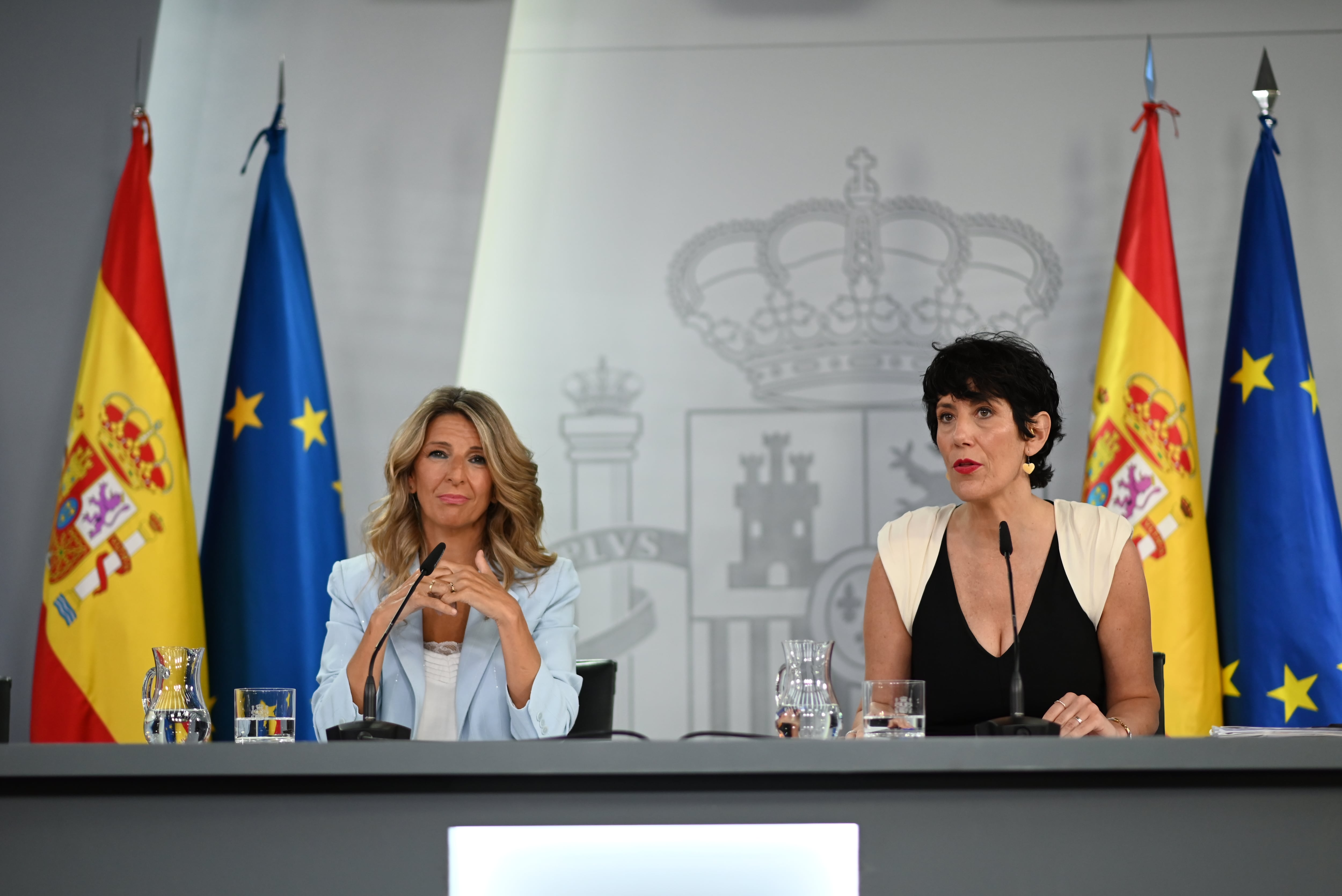
The Spanish Council of Ministers has approved a new labor framework for artists, a move described by Second Deputy Prime Minister Yolanda Díaz as a modernization of the "Francoist concept of public spectacle" to align with the 21st century. This legislation is expected to benefit nearly 800,000 individuals working in the performing arts and related sectors. The new framework aims to redefine the working conditions and rights of artists, bringing them into the modern era. However, labor unions have expressed concerns regarding the lack of specific regulation for artificial intelligence (AI) within this new framework. While the government celebrates the advancement for artists, unions highlight the need for clearer rules concerning AI's impact on creative professions. This oversight could pose future challenges as AI technologies become increasingly integrated into the entertainment industry.
The Spanish government's initiative to update labor laws for artists signifies a proactive approach to adapting traditional employment structures to contemporary needs. By addressing the legacy of past regimes and aiming for 21st-century relevance, the policy seeks to legitimize and improve conditions for a significant workforce. However, the omission of specific AI regulations presents a potential systemic vulnerability. As AI increasingly intersects with creative industries, the absence of a defined legal and ethical framework could lead to future disputes over intellectual property, authorship, and job displacement. This highlights a common challenge for policymakers globally: balancing immediate labor needs with the rapid, often unpredictable, evolution of technology and its societal implications over the next decade.
AI-generated to prompt reflection — not editorial opinion, not advice, not a statement of fact. How this works.