Spain Battles Raging Wildfires Amidst Urgent Calls for Caution
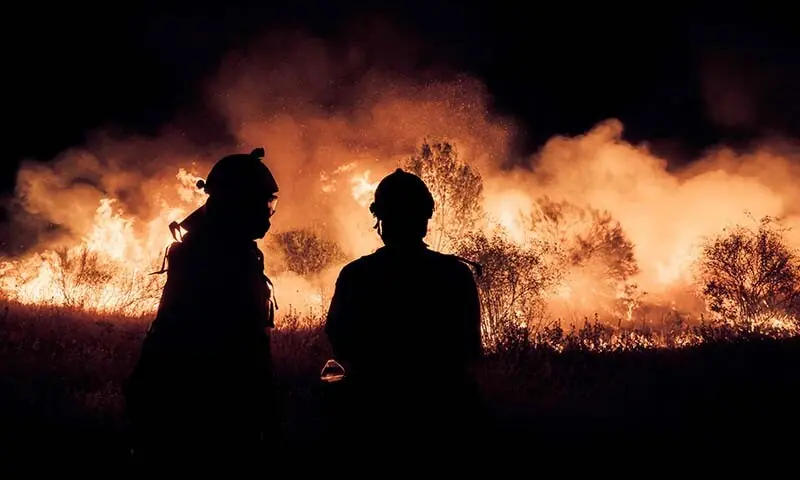
Spain is facing a critical 48-hour window to contain widespread wildfires before a new heatwave exacerbates the situation. Over 60,000 people have been forced to evacuate their homes near Madrid, often with minimal notice, leaving behind belongings and pets. These fires, fueled by dry conditions from prior heatwaves and a lack of rain since May, have consumed forests and destroyed homes and businesses. While overnight conditions offered some respite, allowing firefighters to slow the blazes, a significant drop in humidity and soaring temperatures, expected to reach 40°C in the center and south, present a formidable challenge. The fire risk is predicted to surge to very high or extreme levels across most of the country from Tuesday onwards. Prime Minister Pedro Sanchez has urged citizens to exercise "extreme caution" and "take every possible precaution," acknowledging the "difficult hours" ahead and directly attributing the fires to the "climate emergency." In Valencia, another 15,000 people have been evacuated due to a separate wildfire. So far this year, fires in Spain have burned 150,000 hectares and claimed 13 lives. Across the border, France is also grappling with severe wildfires, particularly in the Gironde region near Bordeaux, where 220,000 people have been evacuated and 45 campsites closed, impacting approximately 40,000 holidaymakers. These French fires have even generated pyrocumulonimbus clouds, a rare phenomenon capable of creating its own weather systems. Both nations are deploying thousands of firefighters and specialized aircraft to combat the blazes, with leaders like President Macron and Prime Minister Sanchez holding crisis meetings.
The current wildfire crisis in Spain and France highlights the escalating impact of climate change on extreme weather events. The confluence of prolonged drought, successive heatwaves, and the predicted return of high temperatures creates a volatile environment where fires can spread rapidly and intensely. The scale of evacuations and destruction underscores the vulnerability of communities and infrastructure to these events, necessitating a re-evaluation of land management practices and urban planning in fire-prone areas. The emergence of pyrocumulonimbus clouds in France points to the unpredictable and amplified nature of these fires, posing new challenges for firefighting efforts. Looking ahead, the increasing frequency and severity of such events suggest a need for robust, long-term strategies that integrate climate adaptation, advanced early warning systems, and international cooperation to mitigate future risks and protect populations.
AI-generated to prompt reflection — not editorial opinion, not advice, not a statement of fact. How this works.