Spain Criticizes EU's 'Selfish' Response to Ceuta Migrant Crisis, Urges Unity
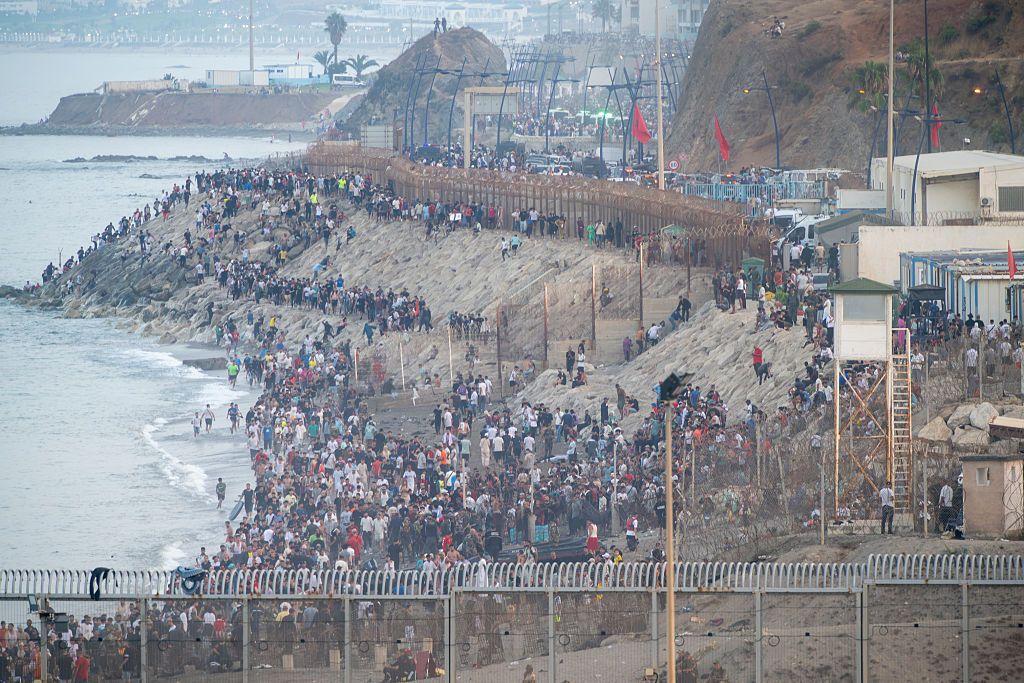
Spain has criticized the response of some European Union countries to the recent migrant crisis in Ceuta, labeling it as "selfish" and emphasizing the need for unity. The Spanish government stated that the situation in Ceuta, which saw a significant influx of migrants this week, is now under control. Several European governments had called for stricter migration controls following the "shocking" scenes observed in the Spanish enclave. The events in Ceuta have highlighted the complex challenges of managing irregular migration flows into Europe and the differing approaches among member states. Spain is advocating for a coordinated and unified European response to such humanitarian situations. The government's statement aims to foster solidarity and shared responsibility among EU nations in addressing migration challenges. The situation in Ceuta has drawn international attention to the pressures faced by frontline EU states. Spain's call for unity underscores the ongoing debate about burden-sharing and effective migration policies within the European Union.
The events in Ceuta highlight the persistent tension between national border control imperatives and the EU's aspiration for a common migration and asylum policy. While Spain frames the situation as a call for solidarity, other member states' reactions may stem from concerns about internal security, economic impacts, or differing legal interpretations of humanitarian obligations. The crisis underscores the systemic challenge of managing external borders effectively while upholding human rights principles. Future policy discussions will likely grapple with balancing sovereignty with collective responsibility, potentially leading to reforms in border management technologies, asylum processing, and inter-state cooperation frameworks. The long-term implications involve navigating the geopolitical dynamics of migration routes and the evolving socio-economic landscape of the EU.
AI-generated to prompt reflection — not editorial opinion, not advice, not a statement of fact. How this works.
