Spain Crowned World Cup Champions Amidst Star-Studded Tournament
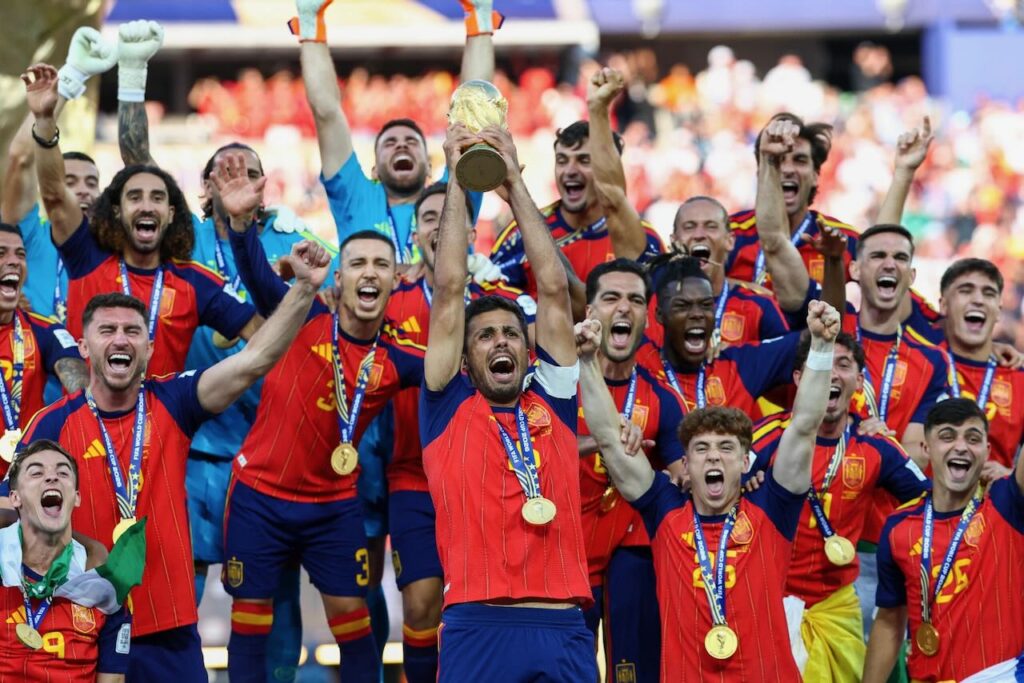
Spain has emerged as the deserving champions of the World Cup, a tournament largely defined by the presence of football's biggest global stars. Despite the dazzling individual talent on display throughout the competition, it was the formidable and consistent performance of the Spanish team that ultimately secured the trophy. Their strength proved insurmountable, even when key player Lamine Yamal, a 19-year-old winger who garnered significant attention, was not performing at his absolute peak. The team's overall solidity and tactical discipline were highlighted as crucial factors in their victory. The tournament, while featuring many celebrated names, ultimately saw Spain's collective power triumph over individual brilliance. This victory marks a significant achievement for the Spanish national team, underscoring their status as a top-tier footballing nation.
The World Cup's outcome, with Spain winning despite a tournament rich in individual superstar talent, suggests a broader trend in modern elite sports. Team cohesion, strategic depth, and consistent execution may increasingly outweigh the impact of individual brilliance, particularly in high-stakes knockout competitions. This dynamic highlights the evolving importance of integrated team systems and coaching strategies in achieving sustained success. As the sports landscape continues to be influenced by advanced analytics and performance optimization, teams that master collective synergy are likely to maintain a competitive advantage over those relying solely on individual prowess. The future may see a greater emphasis on developing well-rounded, adaptable squads capable of executing complex game plans, rather than prioritizing the recruitment of singular, high-profile talents.
AI-generated to prompt reflection — not editorial opinion, not advice, not a statement of fact. How this works.