Spain Defeats Argentina to Win World Cup After Extra Time
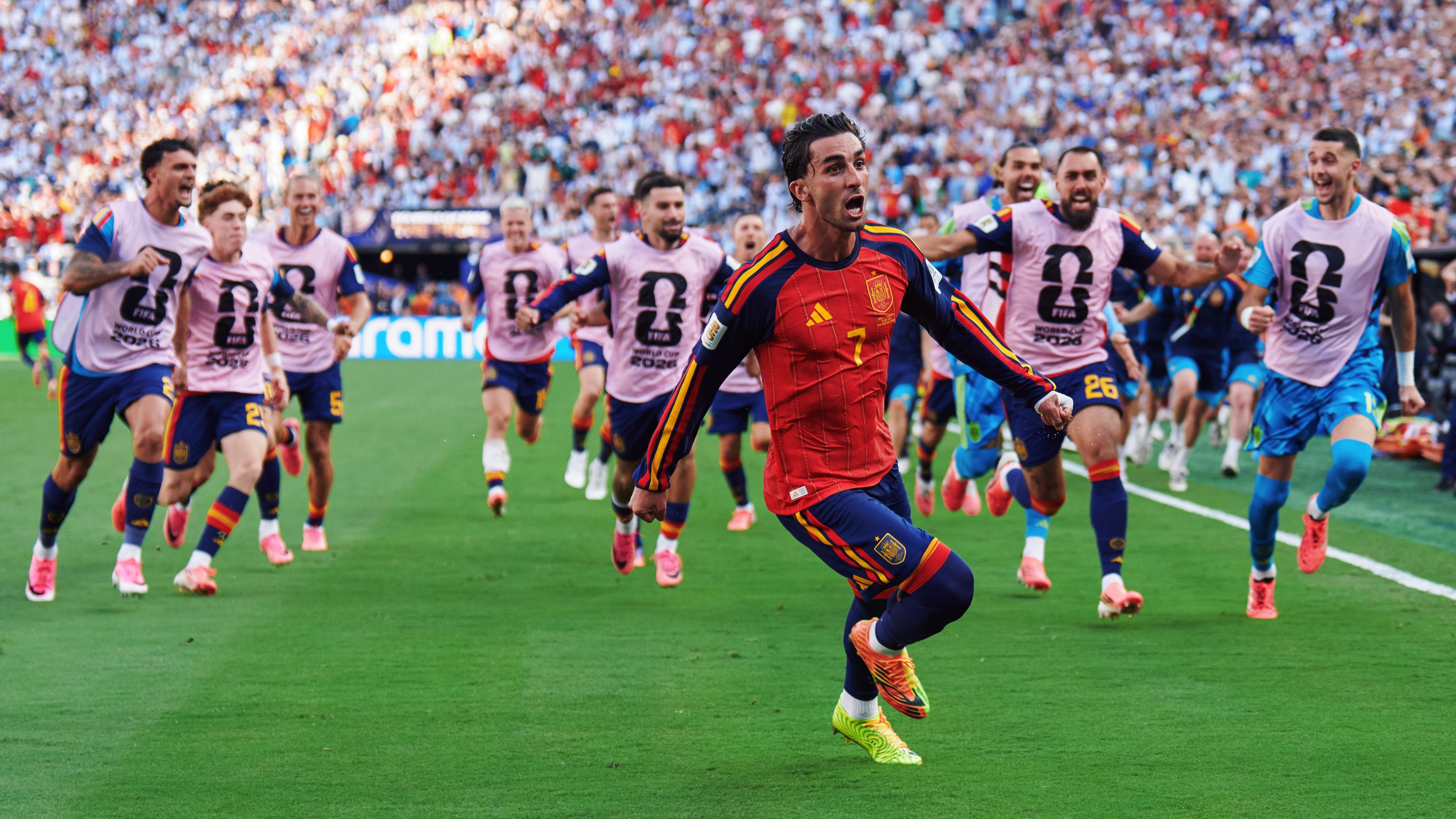
Spain has won the World Cup for the second time in their history, defeating Argentina 1-0 in extra time. Ferran Torres scored the decisive goal in the 106th minute, securing the victory for Luis De la Fuente's squad. The Spanish team played a clean game and emerged as the just champions of the world, returning to the pinnacle of football 16 years after their previous triumph. Argentina, referred to as 'La Albiceleste,' conceded initiative throughout the match, and their goalkeeper, 'Dibu' Martínez, was a key player in sustaining their efforts. The loss ends Lionel Messi's dream of winning another World Cup star with Argentina.
The match outcome highlights the strategic trade-offs between maintaining possession and conceding initiative. Spain's victory, secured through a late extra-time goal, suggests that a disciplined defensive structure and opportunistic attacking can be effective against teams that cede control. Argentina's reliance on individual brilliance, exemplified by their goalkeeper's performance, may indicate a vulnerability in their overall tactical approach when faced with a well-organized opponent. Looking ahead, teams will need to balance proactive play with defensive solidity to succeed in high-stakes tournaments, especially as AI-driven analytics continue to refine tactical strategies and player performance monitoring.
AI-generated to prompt reflection — not editorial opinion, not advice, not a statement of fact. How this works.