Spain Defeats France 2-0 to Reach First World Cup Final Since 2010
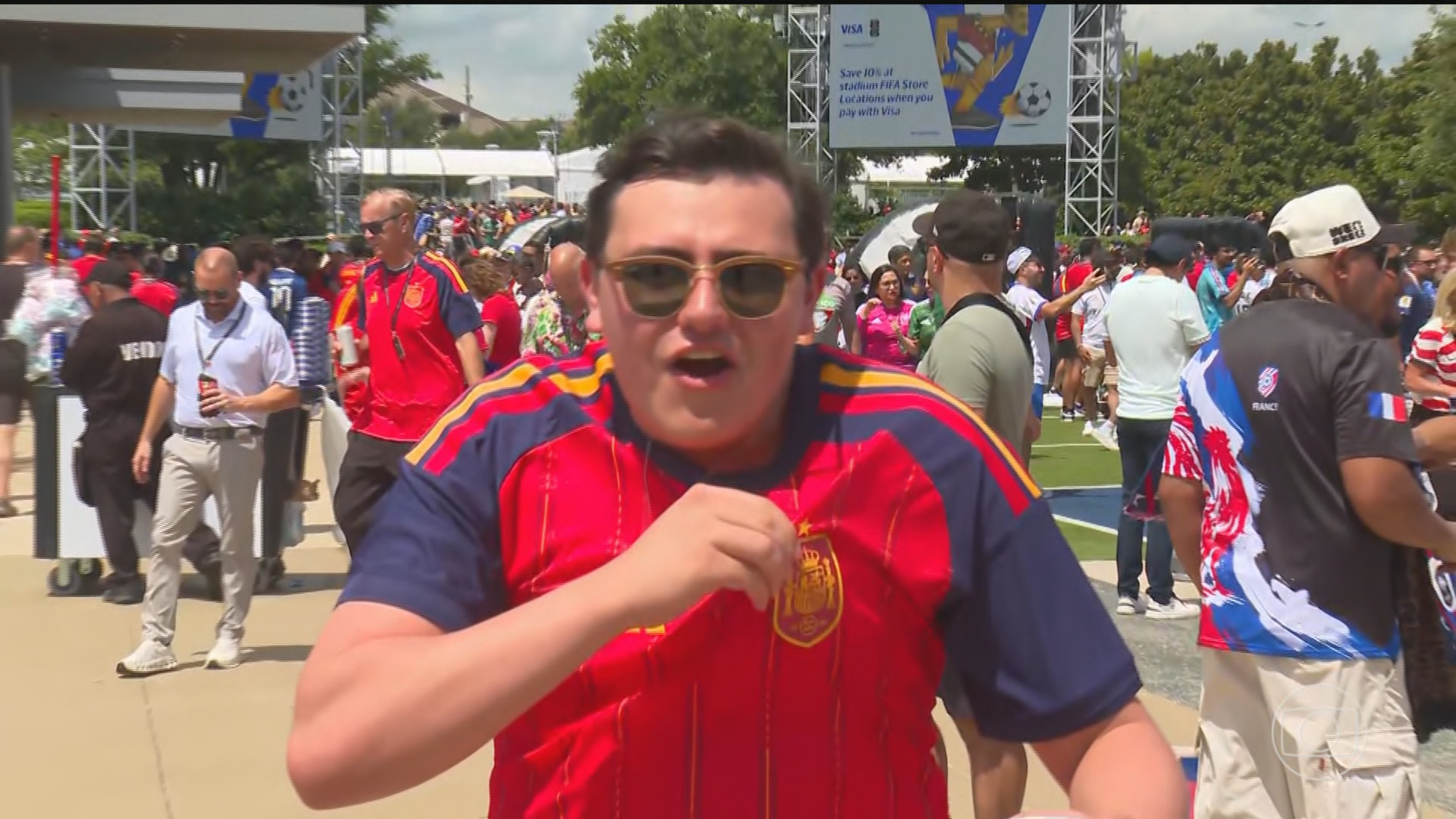
Spain has secured a spot in the World Cup final by defeating France 2-0 in a dominant performance. The Spanish team, characterized by its young and confident energy, showcased its collective strength throughout the match. A key moment came when 19-year-old Lamine Yamal, who had referenced a past victory over France on social media, drew a penalty. Mikel Oyarzabal converted the penalty, marking his fifth goal of the tournament and making him Spain's top scorer. Spain extended their lead in the first half with a well-executed team play, culminating in a goal by Pedro Porro, assisted by Dani Olmo. Porro dedicated the goal to his son, who was ill. While Yamal had a goal disallowed for a marginal offside, France's star player, Kylian Mbappé, saw his late shot deflected, failing to break through Spain's defense. This victory on July 14th, also France's Bastille Day, marks a significant achievement for Spain, bringing them to a World Cup final for the first time since 2010. The team's impressive defensive record, having conceded only one goal throughout the tournament, was highlighted as a key strategy, emphasizing ball possession. Spain, currently on an over two-year unbeaten streak in official matches, aims for their second World Cup title.
Spain's victory over France exemplifies a strategic triumph of collective play and defensive solidity over individual star power, a recurring theme in football. The analysis suggests that Spain's consistent possession-based strategy effectively neutralized France's potent counter-attacking threat, demonstrating a tactical approach that prioritizes control and minimizes risk. The team's extended unbeaten run and minimal goals conceded underscore the efficacy of their long-term coaching philosophy and player development under Luis de la Fuente. Looking ahead, this win highlights the evolving dynamics in elite football, where cohesive team structures and tactical discipline can challenge even the most individually talented squads. The Spanish approach offers a model for sustainable success, emphasizing synergy and strategic depth as critical components for navigating high-stakes tournaments in the coming decade.
AI-generated to prompt reflection — not editorial opinion, not advice, not a statement of fact. How this works.