Spain Denounces 'Attack' on Ceuta as Over 60,000 Migrants Enter from Morocco
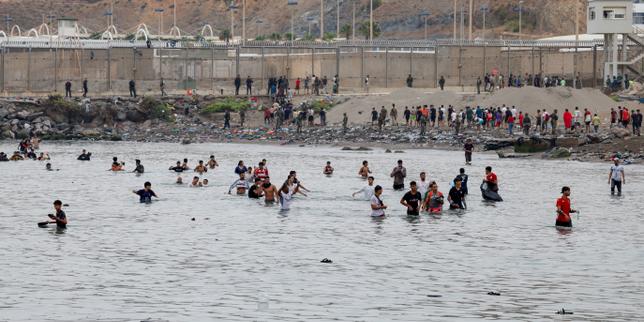
Spanish Prime Minister Pedro Sanchez visited the autonomous enclave of Ceuta amid a surge of over 60,000 migrants entering from Morocco. The situation was described as "electric" as Sanchez addressed the influx, attributing it to "human trafficking mafias" spreading rumors. The president of Ceuta stated that the enclave is unable to absorb the pressure of such a large number of arrivals. Spain has characterized the mass entry as an "attack" on its territorial integrity. This event highlights significant challenges in managing migration flows and border security in the region.
The rapid, large-scale migration into Ceuta presents a complex geopolitical and humanitarian challenge. Spain's characterization of the event as an "attack" on territorial integrity suggests a framing of national security concerns, potentially influenced by domestic political considerations. The mention of "human trafficking mafias" points to the exploitation of vulnerable populations by criminal networks, a persistent issue in migration crises. From a systemic perspective, this incident underscores the need for robust international cooperation on migration management, addressing root causes in origin countries, and ensuring humane processing of asylum seekers. The pressure on Ceuta's resources also highlights the strain on border enclaves and the importance of equitable burden-sharing among nations.
AI-generated to prompt reflection — not editorial opinion, not advice, not a statement of fact. How this works.