Spain Deploys Floating Barrier Amid Deadly Ceuta Border Influx; EU Ministers Seek Emergency Meeting
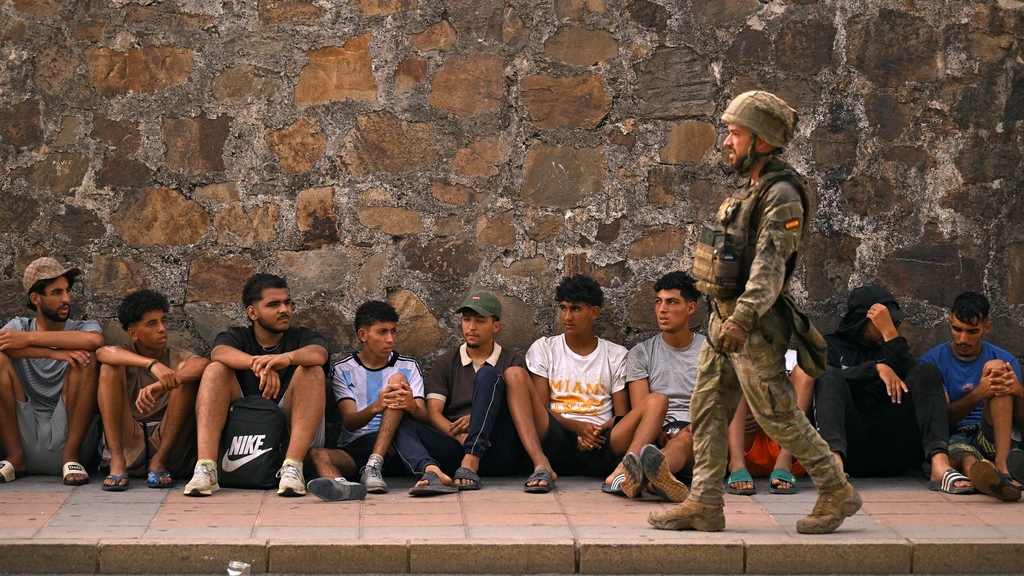
Spanish authorities reported that 67 migrants died during an attempt to storm the border crossing into Ceuta. The deceased were recovered on the Spanish side of the border, with some drowning and others succumbing to crush injuries near a breakwater. In response to the crisis, Spain has deployed a floating barrier in the sea to deter migrants attempting to reach the Spanish exclave from Morocco by swimming. Spanish officials stated that the majority of migrants who entered Spanish North African territory have already been returned to Morocco, estimating that between 50,000 and 60,000 migrants had crossed the border illegally. Following the events, 22 European interior ministers have requested an emergency meeting, a call echoed by Spanish Prime Minister Sánchez, who also criticized EU countries advocating for Spain's exclusion from the Schengen Area. Italy announced a one-month suspension of free travel to and from Spain under Schengen, alongside plans for enhanced port and airport controls, which experts interpret as a resumption of border checks rather than a full closure. France is significantly increasing its border patrol agents along the Spanish frontier and has offered Frontex personnel to assist Spain. Prime Minister Sánchez described the reactions of some EU nations as "selfish, polarizing, and unlawful," asserting that Spain has regained control of its border and prevented unauthorized transit to continental Europe within 48 hours.
The tragic loss of life at the Ceuta border highlights the escalating pressures of irregular migration and the complex geopolitical responses it provokes. Spain's deployment of a floating barrier, while framed as a border control measure, represents a hardening of physical defenses at a critical juncture. The calls for an emergency EU meeting and the varied national responses, from Italy's Schengen suspension to France's increased patrols, underscore the deep divisions within the bloc regarding migration management and burden-sharing. This event underscores a systemic challenge: balancing national sovereignty and security with humanitarian obligations and the principles of free movement within Schengen. Looking ahead, the efficacy and ethical implications of such physical barriers, alongside the potential for further securitization of borders, will be critical considerations in shaping the future of European migration policy and regional cooperation.
AI-generated to prompt reflection — not editorial opinion, not advice, not a statement of fact. How this works.