Spain Dominates Argentina in World Cup Final, Messi's Efforts Insufficient
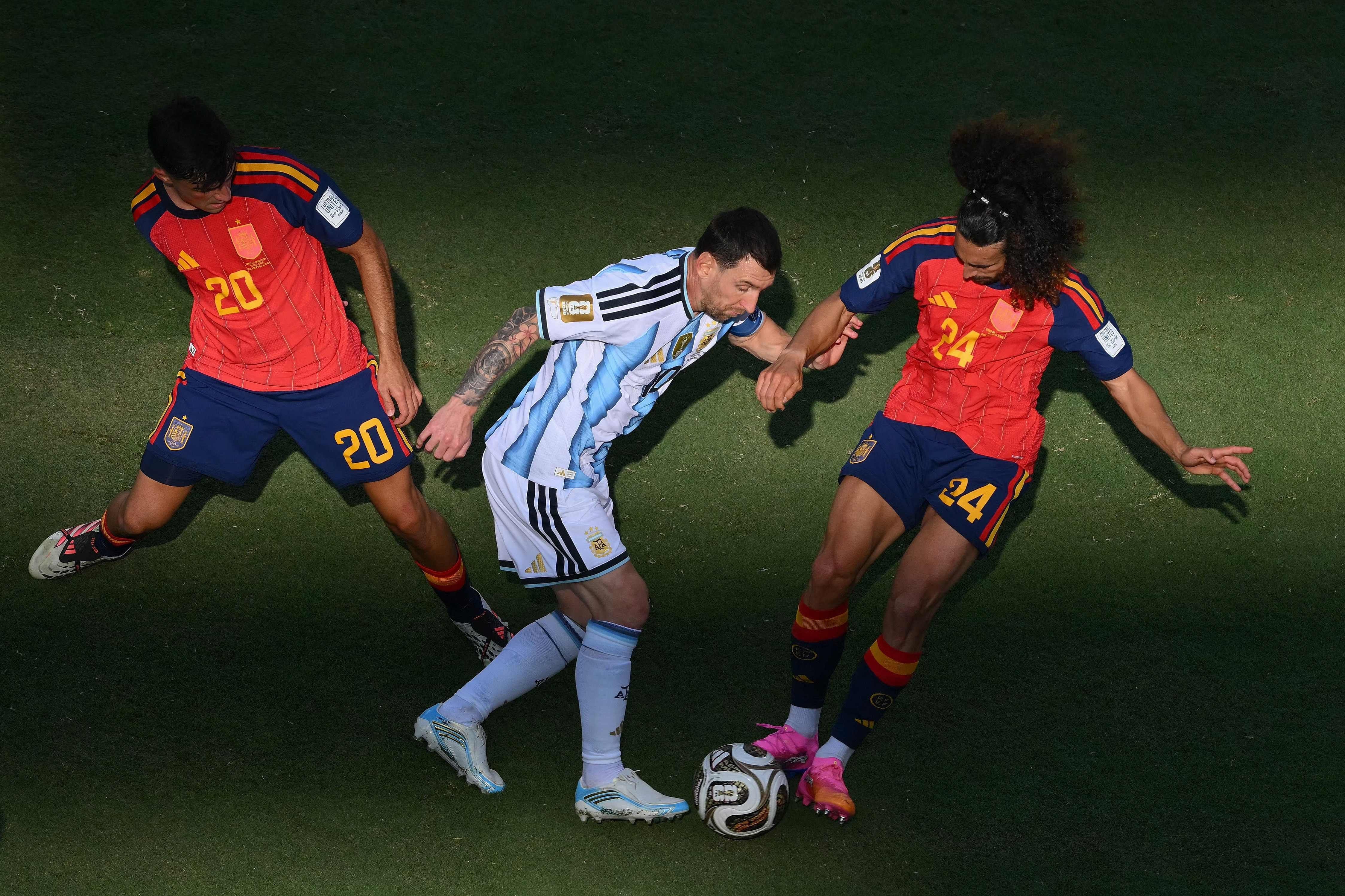
Spain has emerged as the new world champion after a dominant performance against Argentina in the final match. The Spanish team controlled the game through possession and high pressure, effectively pinning Argentina back into their own half and forcing them to play without the ball. Despite the overwhelming control by Spain, Lionel Messi was highlighted as a solitary hero, though his efforts were ultimately not enough to overcome the Spanish team's superiority. The script of the final, according to the report, was written by Rodri, indicating his significant influence on the game's outcome. The Spanish team's strategy focused on maintaining possession and applying constant pressure, which dictated the flow of the match and limited Argentina's attacking opportunities. This victory marks a significant achievement for Spain, solidifying their position as the top team in world football.
The match narrative highlights a common dynamic where a team's strategic dominance in possession and pressure can neutralize even the efforts of a star player. This outcome underscores the importance of cohesive team play and tactical execution over individual brilliance in high-stakes competitions. The focus on Rodri suggests the impact of strategic midfield control in modern football, influencing both offensive and defensive phases. Looking ahead, teams will continue to refine possession-based strategies, recognizing that sustained control can be a decisive factor in achieving major tournament success. This victory for Spain may inspire further emphasis on deep tactical preparation and collective performance in future international tournaments.
AI-generated to prompt reflection — not editorial opinion, not advice, not a statement of fact. How this works.