Spain Escorts Migrants Out of Ceuta, Sparking EU Diplomatic Crisis
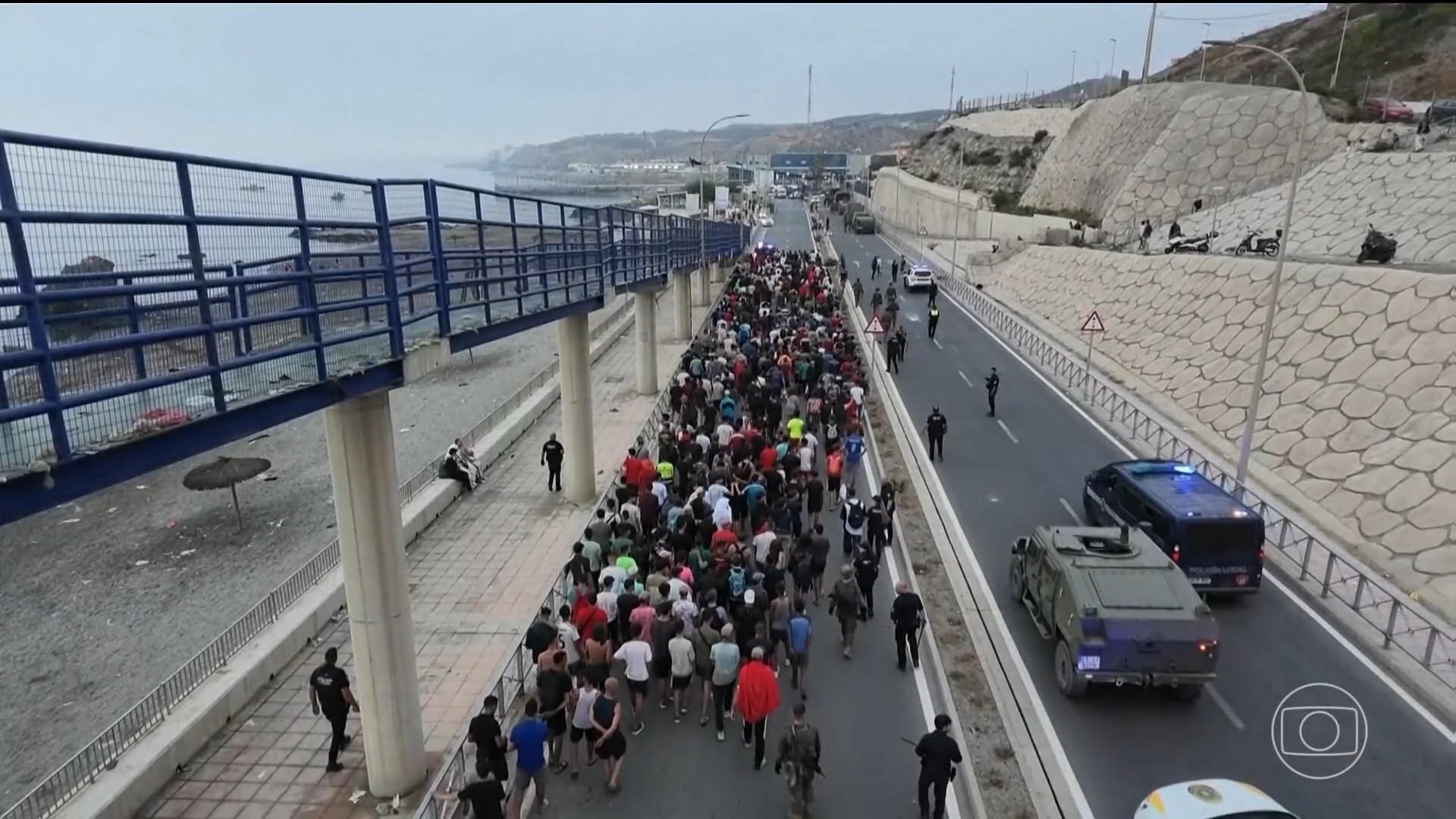
Spain has begun escorting thousands of migrants out of its North African enclave of Ceuta, a move that has triggered a diplomatic crisis with European allies. The influx of over 50,000 people, many of them young men, into the small territory of 80,000 residents occurred rapidly, with some crossing by sea and others scaling the border fence from Morocco. The situation has led to an emergency meeting of the European Union scheduled for Tuesday, May 4th. Tragically, the death toll during the crossing has risen to 67 individuals.
Spanish authorities report that approximately 48,000 people have voluntarily returned to Morocco after finding Ceuta unwelcoming, lacking shelter, commerce, and asylum prospects. Morocco, while not experiencing war or a humanitarian crisis, faces significant youth unemployment, with nearly 40% of young people jobless and one in four neither working nor studying. Many Africans view Ceuta as a gateway to the EU.
Spanish officials suggest that human trafficking networks spread rumors on social media, and there are reports of Moroccan guards easing border controls, a tactic previously employed. Sociologist Flávio Carvalho points to a confluence of factors, including a recent Spanish Supreme Court ruling against automatic deportations and upcoming elections in several European countries, which can amplify security concerns. He also notes that Morocco may be leveraging the migrant crisis as a political pressure tactic against the EU, particularly following Spain's recent diplomatic visit to Algeria, a rival of Morocco.
The rapid influx of migrants into Ceuta and Spain's subsequent response highlight the complex interplay of geopolitical pressures, internal European political dynamics, and humanitarian challenges. The situation suggests that border control policies and diplomatic relations between North African nations and the EU are susceptible to instrumentalization. Upcoming elections in several EU member states may exacerbate nationalist sentiments, potentially influencing the bloc's collective response to migration and straining solidarity among allies. Future policy considerations should focus on developing sustainable, coordinated approaches to migration management that address root causes in origin countries while upholding human rights and fostering equitable burden-sharing within the EU.
AI-generated to prompt reflection — not editorial opinion, not advice, not a statement of fact. How this works.