Spain Faces EU Divisions Over Ceuta Migrant Crisis
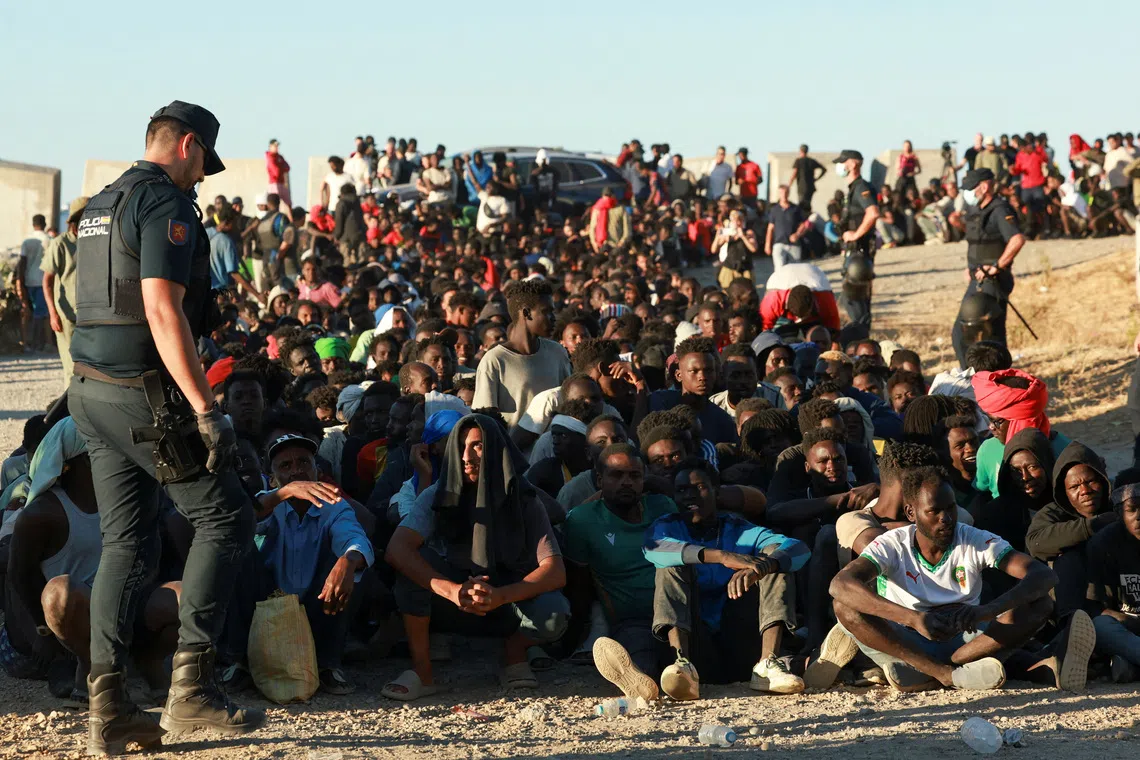
Spain's recent migrant crisis in Ceuta has highlighted significant disagreements within the European Union regarding migration policies. The situation has brought to the forefront the differing approaches and priorities of EU member states, particularly between Spain and other nations often described as "migration hawks." These talks in Ceuta underscore the complex challenges the EU faces in developing a unified and effective response to migration flows. The crisis has served as a stark reminder of the internal political fault lines that exist among member states on this sensitive issue. Discussions are ongoing to find common ground and address the root causes and immediate pressures of irregular migration.
The situation in Ceuta, a Spanish enclave on the northern coast of Africa, has been a focal point for these tensions. The influx of migrants has put pressure on Spain's resources and diplomatic relations with its EU partners. The differing perspectives within the EU range from calls for stricter border controls to more emphasis on humanitarian aid and addressing the underlying factors driving migration from African countries. This divergence complicates efforts to establish a cohesive EU-wide migration strategy. The ongoing negotiations aim to bridge these divides and foster greater cooperation.
The Ceuta migrant crisis reveals the inherent tension between national sovereignty and collective EU responsibility in managing external borders. Divergent national interests, particularly between frontline states like Spain and those advocating for stricter enforcement, create policy paralysis. Future EU migration frameworks will likely need to balance humanitarian concerns with security imperatives, potentially through enhanced cooperation with origin and transit countries. Addressing the root causes of migration, such as economic instability and conflict, remains a long-term challenge that requires sustained investment and diplomatic engagement beyond immediate border management.
AI-generated to prompt reflection — not editorial opinion, not advice, not a statement of fact. How this works.
