Spain Follows France in Rejecting Tesla's FSD, Raising Concerns for the Automaker
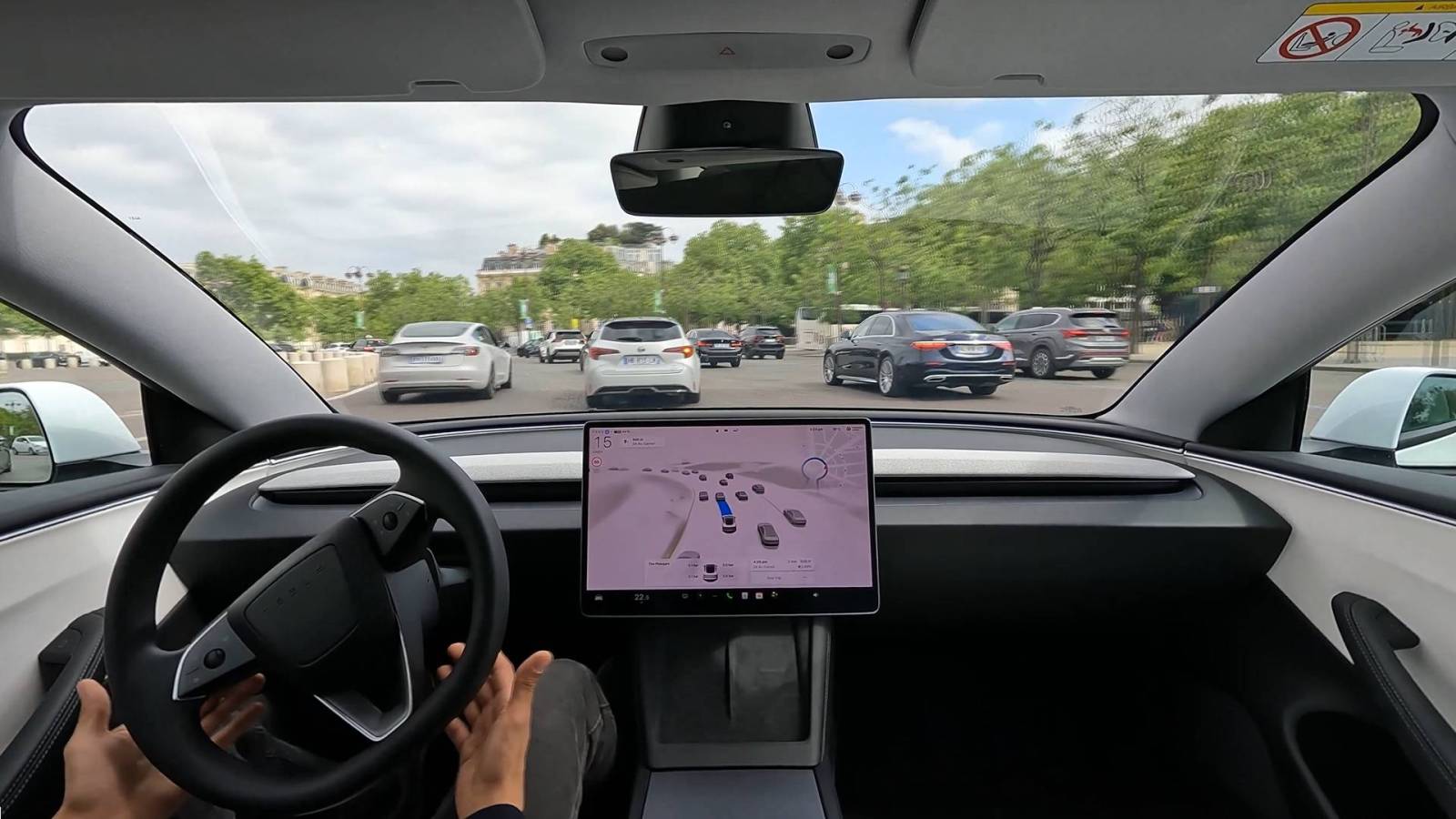
Following France's lead, Spain's Minister of Transport has announced that the country will not permit Tesla's Full Self-Driving (FSD) technology on its roads until it receives European-wide approval. This decision mirrors the stance taken by French authorities, indicating a growing trend among European nations to scrutinize advanced driver-assistance systems. The coordinated refusals from major European economies could pose a significant challenge for Tesla's global rollout strategy. If such rejections become more widespread, it might lead to unexpected regulatory hurdles for the electric vehicle manufacturer. The current approach suggests a preference for harmonized safety standards across the European Union before allowing such sophisticated autonomous driving features. This situation highlights the complexities of international regulatory alignment for emerging automotive technologies.
The coordinated regulatory stance by France and Spain on Tesla's FSD technology suggests a deliberate European approach to managing the integration of advanced autonomous driving systems. This collective caution, prioritizing EU-wide homologation over individual national approvals, indicates a strategic effort to establish robust safety frameworks and prevent a fragmented regulatory landscape. Such a unified front could incentivize Tesla to accelerate its efforts in meeting stringent European safety and certification standards, potentially influencing the global development trajectory of autonomous driving technology by setting a high bar for market entry. The long-term implications may involve fostering greater international cooperation on automotive safety standards, while also presenting a significant market access challenge for companies reliant on rapid, unhindered deployment of novel autonomous features.
AI-generated to prompt reflection — not editorial opinion, not advice, not a statement of fact. How this works.