Spain-Gibraltar Border Becomes Checkpoint-Free After Agreement
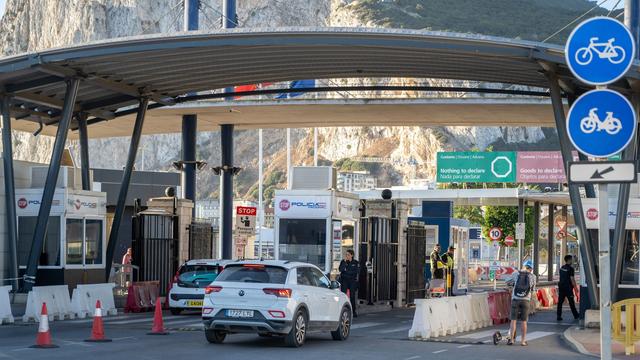
The border between Spain and the British Overseas Territory of Gibraltar has officially become checkpoint-free, marking the end of a long-standing "ordeal" for residents and businesses. This significant development follows an agreement reached between Spain, the United Kingdom, and the European Union. The new arrangement aims to facilitate smoother travel and trade, easing the logistical burdens that have impacted the region for years. For over two decades, the border has been a point of contention and a source of significant delays, affecting commuters, tourists, and the flow of goods. The implementation of this checkpoint-free system is expected to boost economic activity and improve the daily lives of the approximately 15,000 people who cross the border each day. This agreement is a crucial step towards normalizing relations and fostering greater cooperation between Spain and Gibraltar, particularly in the context of post-Brexit realities. The precise details of the security and customs arrangements are still being finalized, but the overarching goal is to create a more fluid and efficient border experience.
The establishment of a checkpoint-free border between Spain and Gibraltar represents a pragmatic resolution to long-standing logistical challenges, likely driven by economic incentives and the need for streamlined post-Brexit transit. This move shifts the focus from physical border enforcement to potentially more sophisticated, data-driven security measures. The long-term success will hinge on the effectiveness of these new systems in maintaining security while genuinely facilitating economic and social exchange. It also highlights a broader trend of adapting traditional border paradigms to accommodate evolving geopolitical and technological landscapes, prompting consideration of how such models might be applied elsewhere.
AI-generated to prompt reflection — not editorial opinion, not advice, not a statement of fact. How this works.