Spain Installs Border Barrier at Ceuta; 67 Deaths Reported
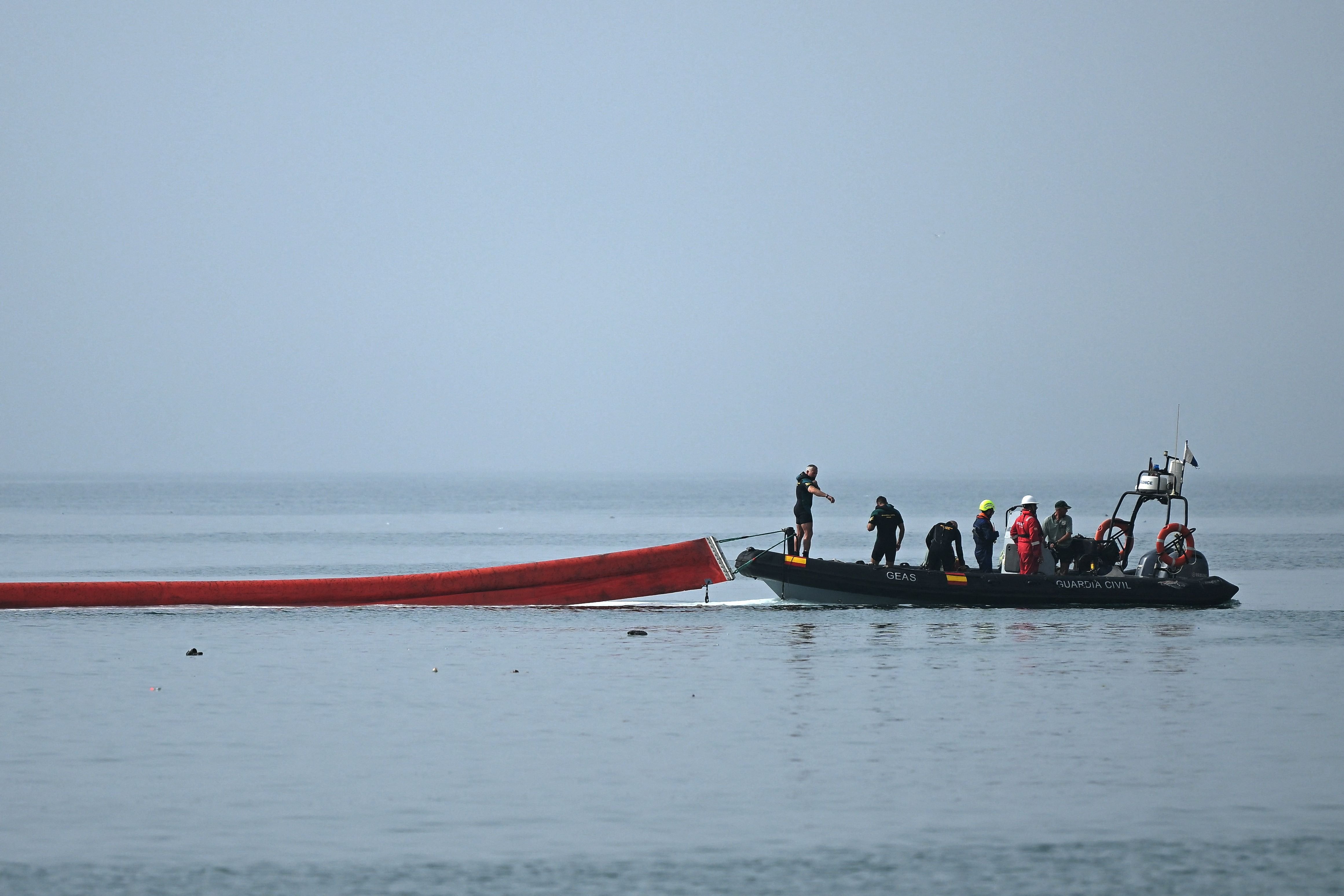
Spain has installed a new protective barrier along its border with Morocco in Ceuta. The structure measures 500 meters in length and extends one meter deep into the ground. This installation comes amid reports of 67 deaths, though the context of these fatalities is not specified in relation to the barrier's construction. The Spanish government, led by Prime Minister Sánchez, stated that approximately 48,000 individuals have already been returned to their countries of origin. The specifics of the returns, including the criteria and destinations, are not detailed. The barrier's purpose is understood to be related to border control and managing migration flows into the Spanish enclave of Ceuta.
The deployment of a physical barrier at the Ceuta border signifies a hardening of Spain's approach to border management, reflecting broader European trends in migration control. This action, coupled with the reported large number of returns, suggests a strategy prioritizing containment. The significant number of reported deaths, while contextless, raises questions about the efficacy and human cost of current border policies. Future policy decisions will likely grapple with balancing security imperatives against humanitarian concerns and international obligations. The long-term implications may involve increased pressure on alternative, potentially more dangerous, routes for irregular migration and the potential for further humanitarian crises.
AI-generated to prompt reflection — not editorial opinion, not advice, not a statement of fact. How this works.