Spain Reaches World Cup Final Despite Missing Star Power
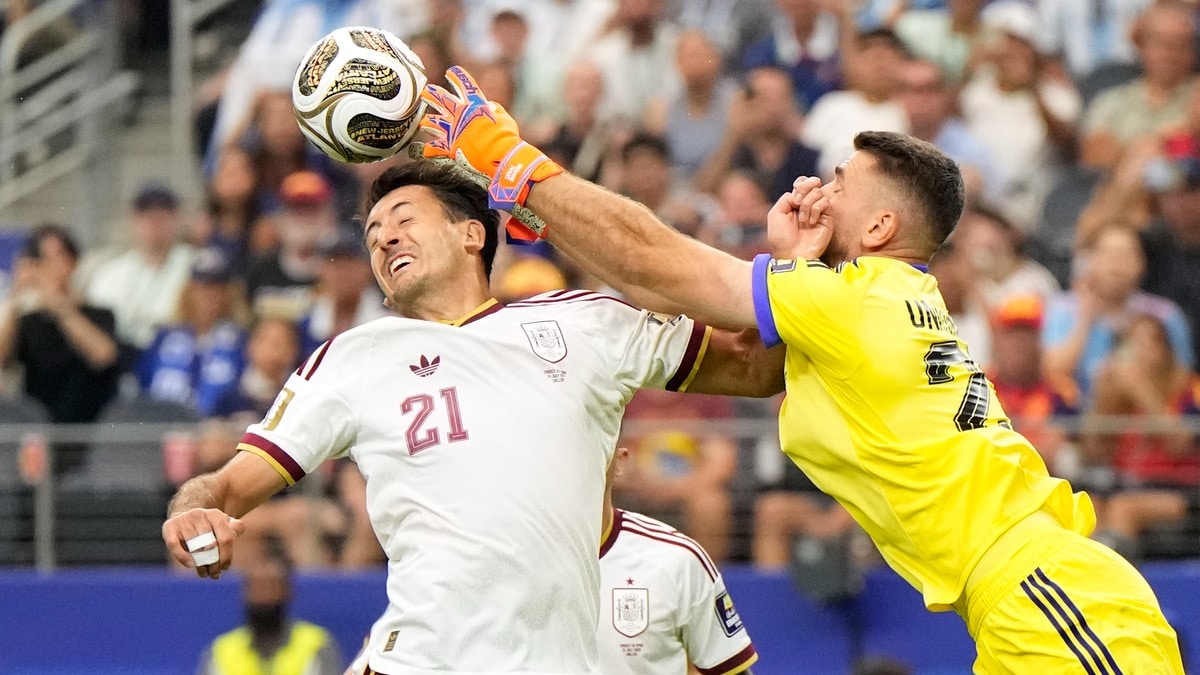
Spain has advanced to the World Cup final, demonstrating resilience despite lacking a top superstar and having their hottest goalkeeper on the bench. The team's progression to the final highlights their depth and strategic capabilities. They have overcome the absence of a prominent star player, a situation that has drawn comparisons to the capabilities of Norwegian footballer Erling Haaland. The decision to keep their most in-form goalkeeper sidelined further underscores the team's unconventional path to success. This achievement suggests a strong collective effort and effective tactical planning.
Spain's journey to the World Cup final, characterized by the absence of a marquee offensive player and a top-tier goalkeeper on the bench, presents a compelling case study in team dynamics and strategic depth. This outcome challenges conventional reliance on individual brilliance, suggesting that robust team cohesion, tactical discipline, and effective player management can compensate for a lack of singular star power. The team's success prompts consideration of how future sporting organizations can optimize talent utilization and strategic planning, potentially by prioritizing collective performance metrics over individual accolades. This approach could offer a sustainable model for success in an era increasingly defined by collaborative innovation and distributed expertise.
AI-generated to prompt reflection — not editorial opinion, not advice, not a statement of fact. How this works.