Spain Reports 25,000 Migrants Have Returned to Morocco from Ceuta
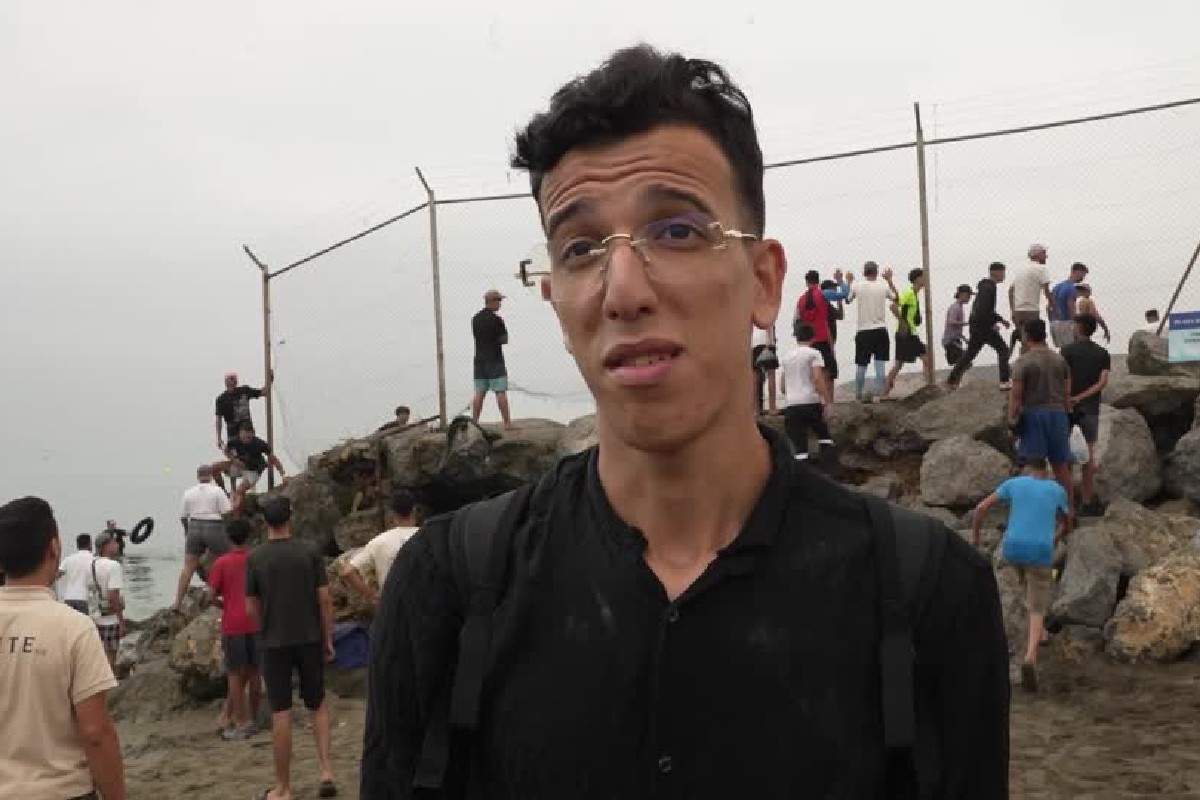
Spain's Ministry of the Interior announced on Friday, May 31st, that approximately 25,000 immigrants have voluntarily returned to Morocco from Ceuta. This follows a significant influx of an estimated 60,000 people who crossed into the Spanish autonomous city in North Africa within the preceding 24 hours. Despite ongoing attempts to cross the border on Friday, a noticeable movement of migrants returning to Morocco was also observed. One young Moroccan migrant recounted his experience, describing the journey as negative and urging others not to attempt it due to the dangers, including deaths, and the lack of basic necessities. Spanish Prime Minister Pedro Sánchez stated that authorities in Ceuta are informing irregular entrants that the border is open for them to return freely. Ceuta, a Spanish city bordering Morocco in North Africa, is one of the EU's only land territories bordering the continent. For many migrants, it represents a primary entry point into the European Union. The recent surge in arrivals, primarily young Moroccans but also including families and children, overwhelmed the city's reception centers. Authorities in Ceuta reported that at least 34 people died during the perilous sea crossing.
The situation in Ceuta highlights the persistent challenges of irregular migration and border management between North Africa and Europe. The rapid influx and subsequent voluntary returns suggest a complex interplay of push factors in origin countries and pull factors in destination, coupled with the immediate realities and dangers of the journey. Spain's approach of facilitating voluntary returns indicates a strategy to manage the immediate crisis while potentially seeking longer-term solutions through diplomatic channels with Morocco. The event underscores the critical need for comprehensive, humane, and sustainable migration policies that address root causes, ensure safe passage, and uphold human dignity, rather than relying solely on reactive border control measures. Future policy will likely grapple with balancing national sovereignty and security with humanitarian obligations and the economic and social impacts of migration flows.
AI-generated to prompt reflection — not editorial opinion, not advice, not a statement of fact. How this works.