Spain's 2026 World Cup Victory Echoes 2010 Triumph with Torres's Decisive Goal
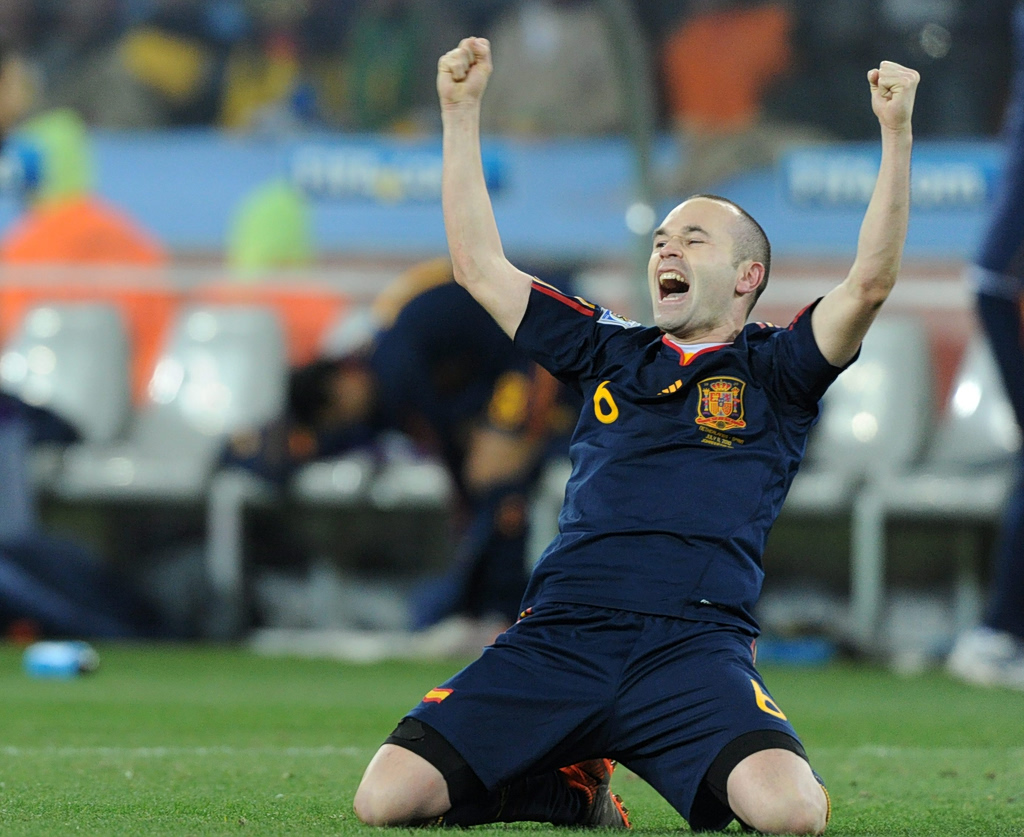
Spain has once again etched a defining moment into its national sporting history with their victory in the 2026 FIFA World Cup final. The decisive goal, scored by Ferran Torres in extra time, mirrors the historic significance of Andrés Iniesta's winning goal in the 2010 World Cup final. Both goals are now considered pivotal moments that have forever linked themselves to the nation's collective memory. The 2026 final saw Spain overcome a formidable opponent, with Torres's late strike proving to be the difference. This victory not only secures the coveted World Cup trophy for Spain but also draws a powerful parallel to their previous triumph, highlighting a remarkable consistency and ability to perform under immense pressure on the global stage. The achievement is expected to be celebrated widely across Spain, reigniting national pride and reinforcing the country's status as a footballing powerhouse. The parallels drawn between the two victories underscore a legacy of success built on clutch performances in the most critical of matches.
The narrative surrounding Spain's 2026 World Cup victory emphasizes a recurring theme of historic, game-winning goals in extra time, drawing a direct comparison to their 2010 triumph. This framing highlights a potential strategic advantage in executing under extreme pressure, a valuable asset in high-stakes competitions. The repetition of such decisive moments suggests a robust team culture and tactical discipline that can be activated when it matters most. Examining the underlying factors that enable Spain to consistently produce these clutch performances could offer insights into effective long-term sports development and psychological preparation, potentially informing strategies for other nations or organizations facing similar competitive environments. The focus on historical parallels also serves to bolster national identity and pride, a common function of significant sporting achievements.
AI-generated to prompt reflection — not editorial opinion, not advice, not a statement of fact. How this works.