Spain's Almería Wildfire: Residents Recount Terrifying Evacuations Amidst Fatal Blaze
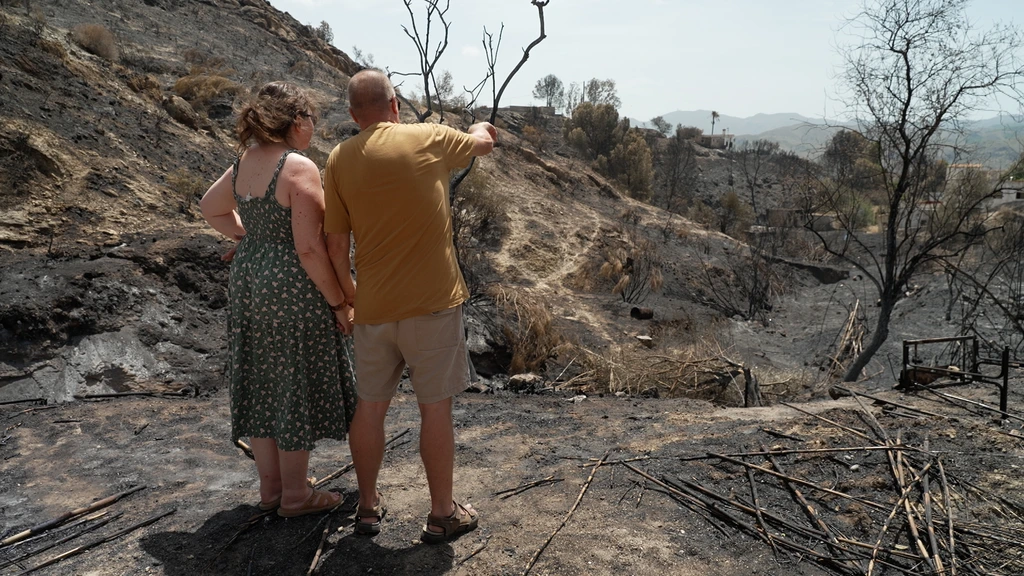
Firefighters are gaining control over a severe wildfire that erupted two days ago in Spain's Almería province, though many residents are still displaced and grappling with the aftermath. This fire has tragically resulted in more fatalities than any previous wildfire in Spain. While some evacuees are beginning to return home, many remain in temporary accommodations such as family homes, hotels, and sports centers. The Padilla González family, sheltering in Garrucha's sports hall, expressed distress over the lack of information regarding their return home, despite appreciating the support received. Elderly mother Ana Padilla shared the experience of sleeping in the hall, which is currently housing around 300 evacuees. British resident Kenneth Rivers described the panic as the fire approached his home in Bédar, a village where the fatal victims were located. He recounted being alerted by neighbors and witnessing the fire's rapid growth due to strong winds, hearing children's screams amidst the chaos. A journalist's assessment offered some reassurance to Maria José Padilla, suggesting her home in Bédar might be unharmed. The region around Los Gallardos, identified as one of Europe's driest areas, facilitated the fire's swift spread through its desert-like vegetation. British retirees Sarah and David Brumley were warned by neighbors about the fire and attempted to douse the surrounding area with a garden hose before being instructed by emergency services to evacuate immediately. They were fortunate that favorable winds spared their home, unlike those in Bédar, and they were allowed to return quickly, though without electricity due to damaged power poles. The duration of the power outage remains uncertain, but the Brumleys are relieved to be home, having escaped the danger.
The wildfire in Almería highlights the increasing vulnerability of arid regions to extreme weather events, exacerbated by climate change and potentially unsustainable land management practices. The rapid spread and devastating impact underscore the critical need for enhanced early warning systems, robust evacuation protocols, and resilient infrastructure capable of withstanding such crises. While immediate relief efforts are crucial, a long-term strategy must address the underlying factors contributing to fire risk, including vegetation management, urban planning in fire-prone zones, and community preparedness education. The event also points to the importance of transparent communication from authorities during emergencies to alleviate resident anxiety and ensure effective response coordination. Future planning should integrate climate projections to anticipate and mitigate the escalating risks posed by such natural disasters.
AI-generated to prompt reflection — not editorial opinion, not advice, not a statement of fact. How this works.