Spain's Balancing Act: Attracting Chinese EV Investment While Seeking EU Safeguards
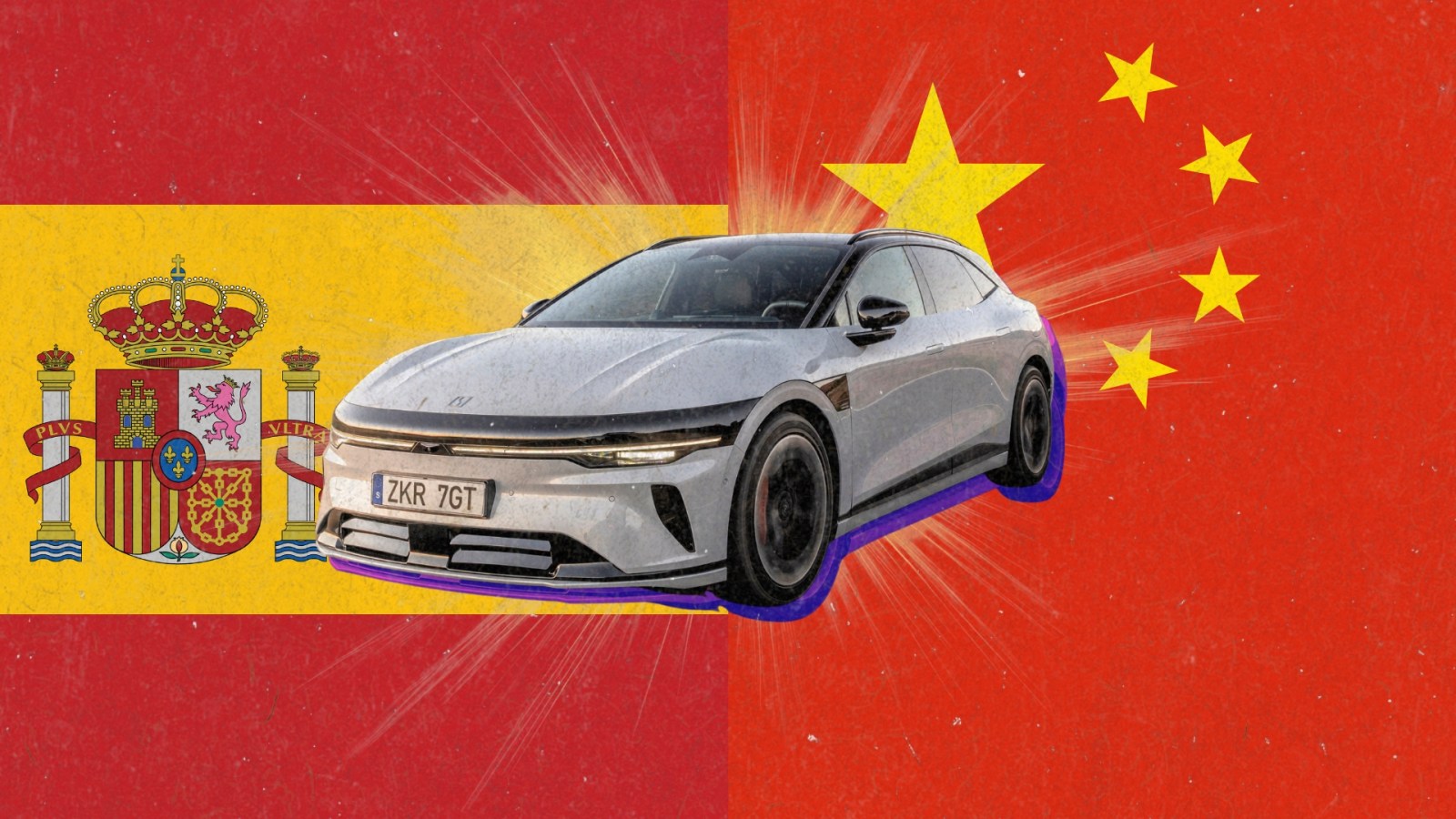
Spain is navigating a complex strategy regarding Chinese investment in its automotive sector, particularly in electric vehicle (EV) and battery manufacturing. While various Spanish regions are actively competing to attract these Chinese-made factories, the national government is simultaneously engaging with Brussels. Madrid is advocating for the European Union to establish common regulations. The aim is to prevent the open-armed reception of Chinese technology from evolving into a state of technological dependency for the bloc. This dual approach seeks to leverage foreign investment for industrial growth while mitigating potential risks associated with over-reliance on external technological sources.
Spain's strategy highlights a common dilemma faced by EU member states: balancing the immediate economic benefits of foreign direct investment against the long-term strategic imperative of technological sovereignty. By encouraging regional competition for Chinese EV factories, Spain aims to stimulate domestic job creation and industrial development. However, its concurrent push for EU-level regulations suggests an awareness of the potential downsides of unchecked foreign technological integration. This approach reflects a broader European concern about maintaining competitive parity and avoiding undue economic or technological leverage by external powers, particularly in critical sectors like automotive manufacturing and battery technology. The effectiveness of this dual strategy will depend on the EU's ability to forge a unified regulatory framework that is both attractive to investors and robust enough to safeguard European industrial interests in the coming decade.
AI-generated to prompt reflection — not editorial opinion, not advice, not a statement of fact. How this works.
