Spain's Ceuta Crisis: Were Social Media Lures Responsible for Migrant Deaths?
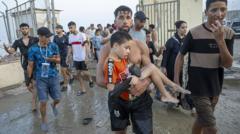
An unprecedented wave of migrant arrivals in Ceuta, Spain, has resulted in at least 72 confirmed deaths. The bodies recovered from the sea were found floating with discarded life vests and inflatable rings. This tragic outcome highlights the perilous journey undertaken by migrants seeking to reach European shores. The circumstances surrounding these deaths have raised serious questions about the information and expectations conveyed to migrants before their dangerous voyage. Authorities are investigating the potential role of social media in influencing these migration attempts. The scale of the tragedy underscores the ongoing challenges of irregular migration and the urgent need for effective humanitarian responses and safer routes. The recovery of the bodies serves as a stark reminder of the human cost of these desperate journeys. Further investigation is needed to understand the full context and prevent future loss of life.
The tragic loss of life in Ceuta underscores the critical need to examine the information ecosystems influencing migration decisions. While the precise role of social media requires thorough investigation, it is plausible that online platforms can inadvertently create unrealistic expectations or promote dangerous routes through unverified information. This situation highlights a systemic challenge where digital communication intersects with desperate circumstances, potentially leading individuals to undertake perilous journeys based on incomplete or misleading narratives. Future interventions should focus on providing accurate, real-time information about risks and alternative, safer pathways, potentially leveraging technology itself to disseminate verified data and counter misinformation. Addressing the root causes of migration remains paramount, but mitigating the immediate risks involves understanding and influencing the information landscape that shapes migrant choices.
AI-generated to prompt reflection — not editorial opinion, not advice, not a statement of fact. How this works.
