Spain's CSIC Unveils Catalog of Franco Regime's Reprisals, Including Those Punished for Wearing Trousers
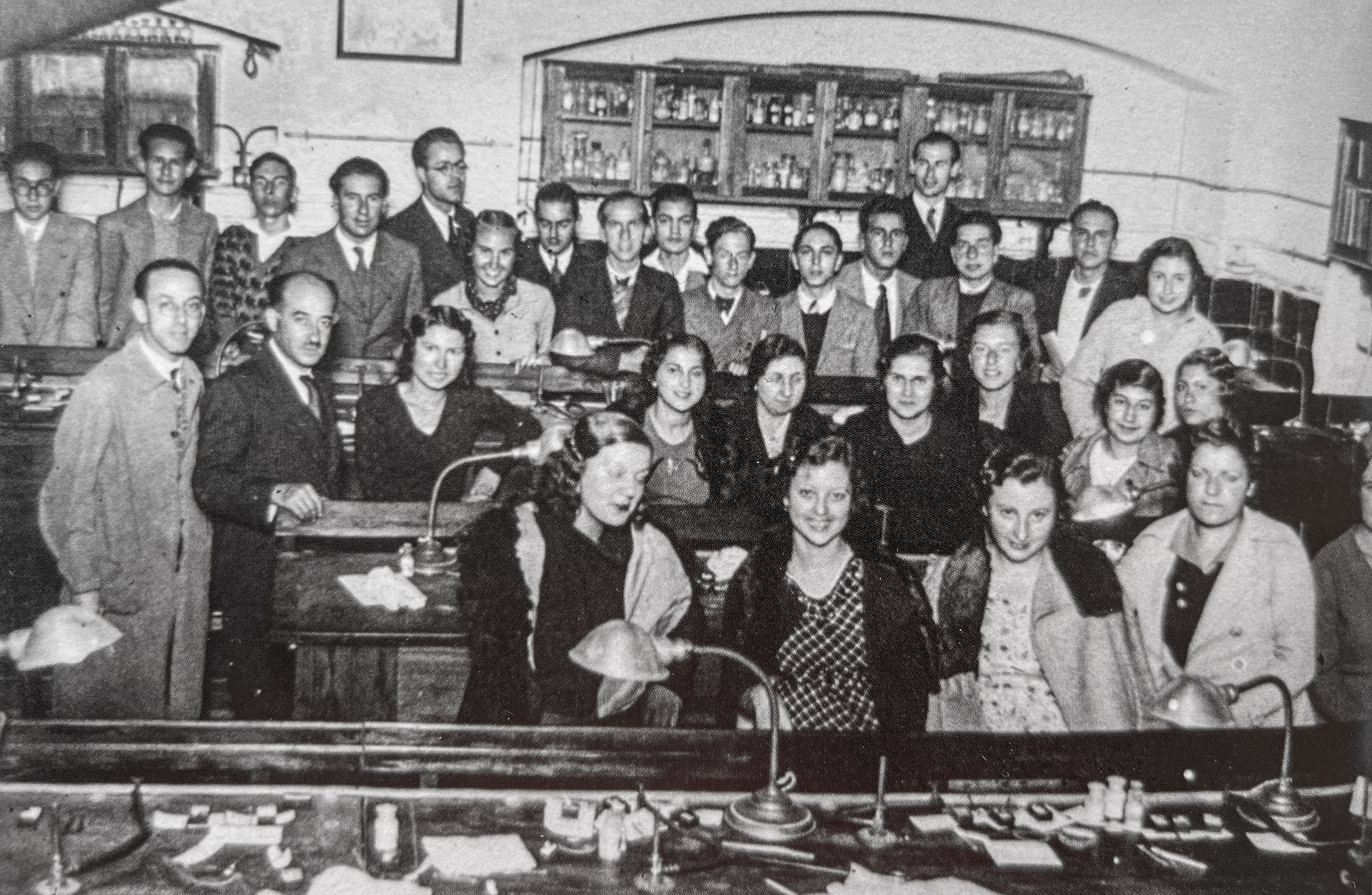
Spain's largest scientific organization, the CSIC (Spanish National Research Council), has publicly released a catalog detailing the persecution of over 500 individuals by the Franco regime following the Spanish Civil War. This unprecedented initiative sheds light on the stories of those who faced judgment and repression under Franco's rule. The catalog includes individuals who were purged for seemingly minor infractions, such as wearing trousers, highlighting the arbitrary and pervasive nature of the regime's control. Many of these individuals' personal histories remain incomplete, with the CSIC noting, "For many, we don't even know what they looked like." This collection represents a significant effort to document and acknowledge the victims of political repression in post-war Spain, offering a window into a dark period of the country's history. The CSIC's move makes these historical records accessible to the public for the first time, fostering a deeper understanding of the regime's impact on countless lives.
The CSIC's public catalog of Franco-era reprisals serves as a critical historical record, aiming to counter historical amnesia and acknowledge past injustices. By detailing over 500 cases, including those punished for seemingly trivial reasons like attire, the initiative underscores the broad and often irrational scope of state repression. This effort, by a leading scientific institution, highlights the intersection of political ideology and social control, demonstrating how authoritarian regimes can leverage legal and administrative processes to enforce conformity. The acknowledgment of incomplete records also points to the challenges in fully reconstructing historical narratives and the enduring impact of systematic suppression on personal and collective memory. In the long term, such initiatives contribute to democratic resilience by fostering informed public discourse on governance and human rights.
AI-generated to prompt reflection — not editorial opinion, not advice, not a statement of fact. How this works.