Spain's Defensive Prowess and Argentina's Attacking Challenge
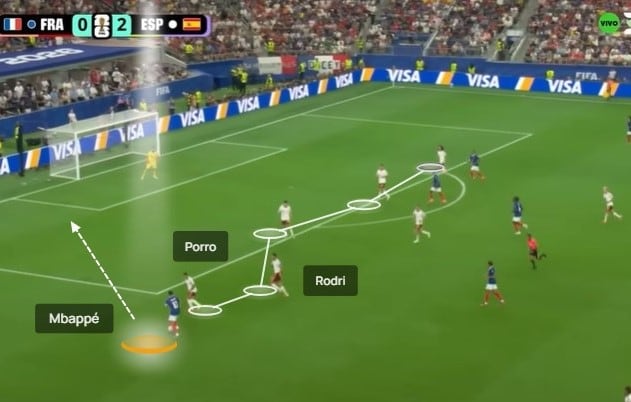
The Spanish national team, under coach De la Fuente, exhibits exceptional defensive capabilities, making them a difficult opponent to score against. A key aspect of their strategy involves utilizing two wing-backs who effectively function as wingers, contributing to both offense and defense. This tactical setup allows Spain to build attacks and aim to finish them with crosses directed towards the penalty spot. The article suggests that Argentina, facing this formidable Spanish defense, will need to devise specific strategies to penetrate their backline and create scoring opportunities. The focus is on how Spain's defensive structure and offensive transitions, particularly the role of their wing-backs, present a unique challenge for any opposing team, including Argentina.
Spain's tactical approach, emphasizing strong defensive organization and the dual role of wing-backs, highlights a modern football trend where positional fluidity can enhance both defensive solidity and offensive threat. This system leverages player versatility to control space and dictate the tempo of the game. For opponents like Argentina, the challenge lies in breaking down a cohesive unit that transitions effectively between defense and attack. Understanding the incentive structures that reward defensive discipline while enabling attacking width will be crucial for developing counter-strategies that exploit potential gaps in Spain's formation, perhaps by targeting the spaces vacated by advancing wing-backs or by overloading central areas to disrupt their build-up play.
AI-generated to prompt reflection — not editorial opinion, not advice, not a statement of fact. How this works.