Spain's 'Empty Spain' towns brace for astronomical event crowds
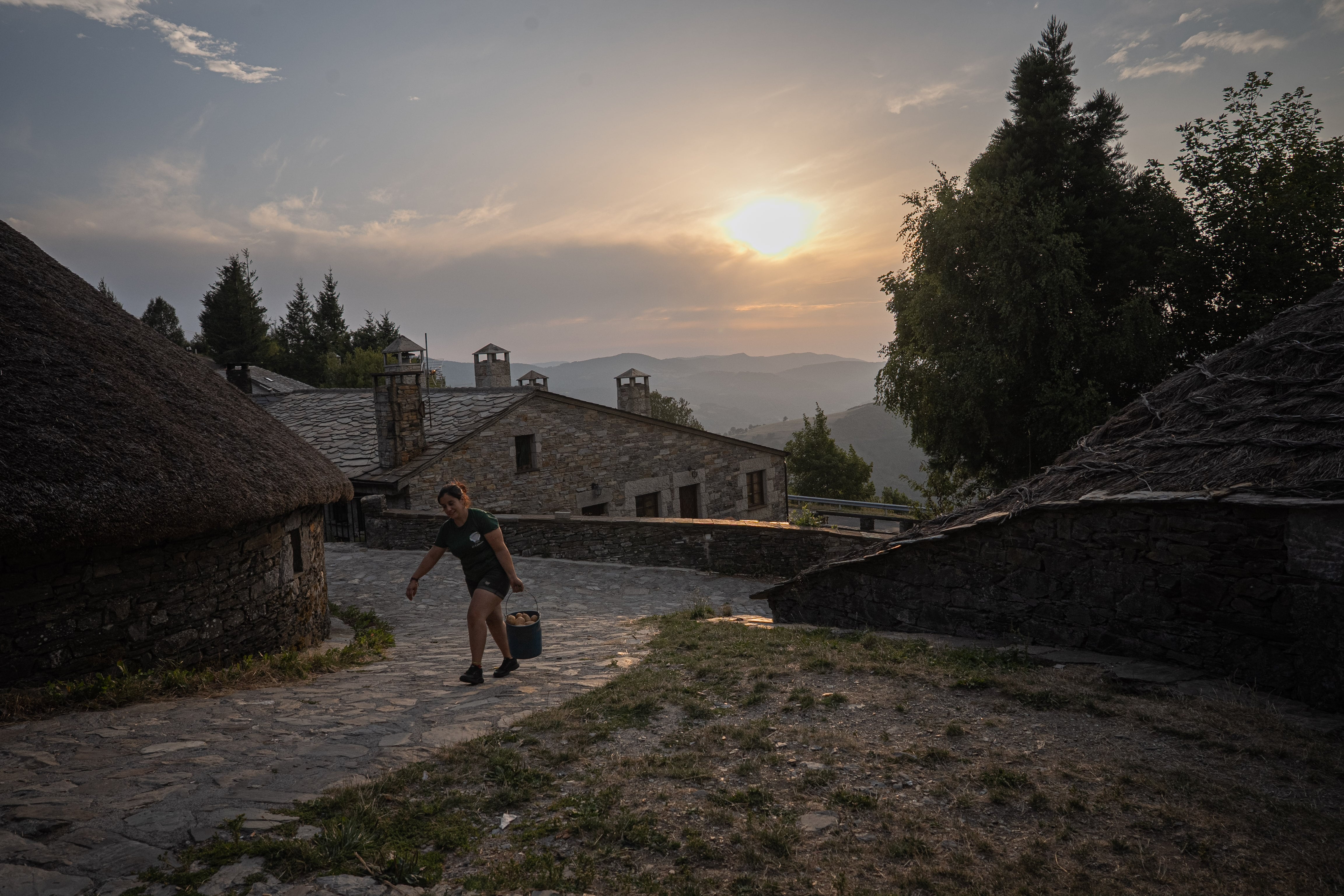
Rural hotels in Spain's "Empty Spain" regions are fully booked as towns along the Camino de Santiago pilgrimage route prepare for an influx of visitors drawn by a total solar eclipse. The event is expected to last approximately one and a half minutes, offering these less populated areas a brief moment of significant attention. While some accommodations are well-prepared, others, particularly hostels that do not accept reservations, face uncertainty regarding how to manage the unpredictable surge in visitors. Local authorities and businesses are leveraging their existing experience in hosting pilgrims to manage the expected crowds. The phenomenon is anticipated to bring a temporary but intense wave of tourism to these often-overlooked communities.
The upcoming solar eclipse presents a unique, albeit fleeting, economic opportunity for rural Spanish communities, testing their capacity to manage unpredictable visitor surges. This event highlights the potential for leveraging natural phenomena to stimulate local economies in depopulated areas, but also underscores the logistical challenges of scaling infrastructure and services rapidly. The reliance on existing pilgrim management systems suggests a need for more robust, adaptable tourism frameworks to capitalize on such infrequent events. Looking ahead, these communities might explore diversifying their tourism appeal beyond traditional pilgrimage and astronomical occurrences, potentially integrating sustainable tourism models that offer long-term economic resilience.
AI-generated to prompt reflection — not editorial opinion, not advice, not a statement of fact. How this works.
