Spain's Forest Fire Prevention Lacks Incentives, Experts Say
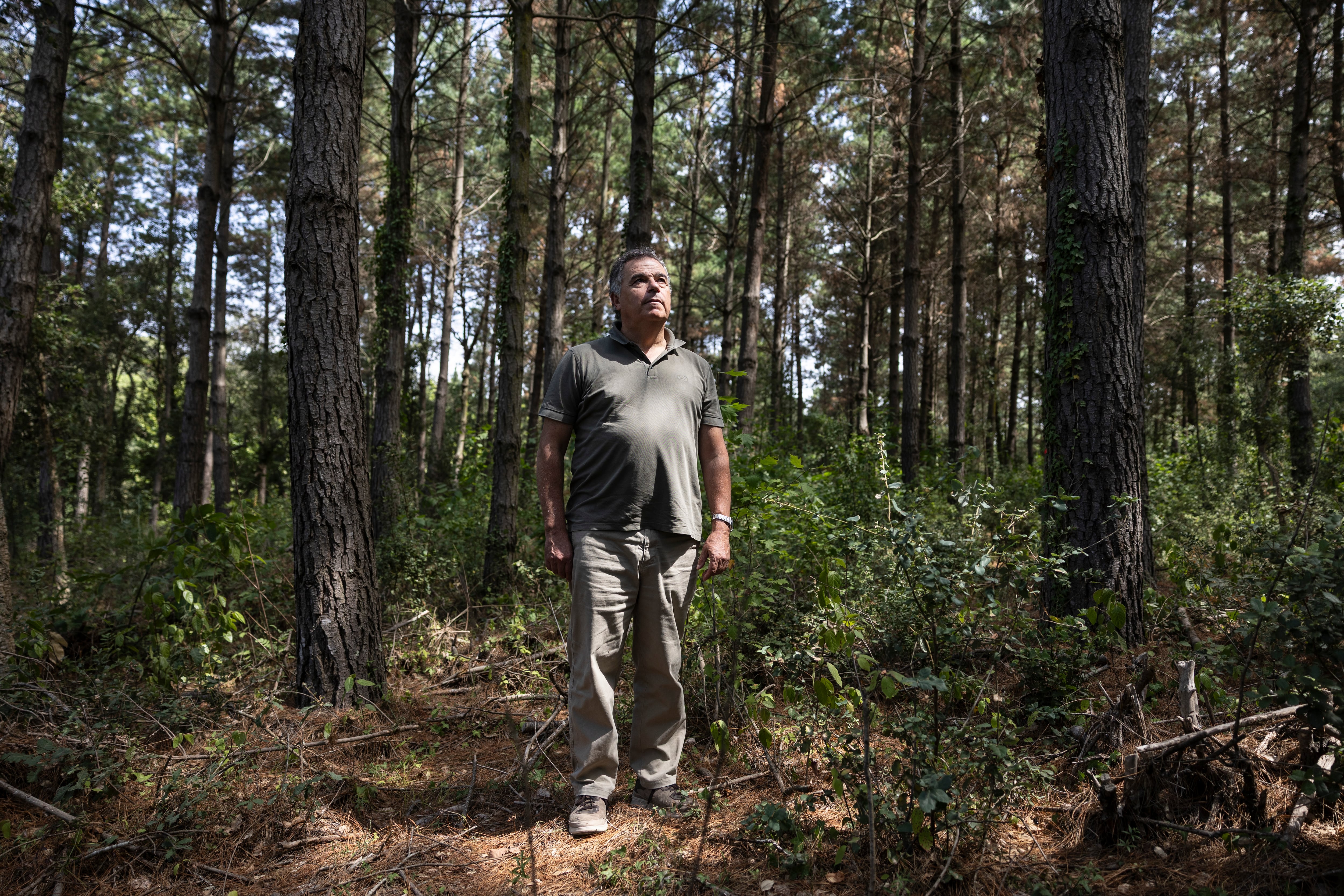
Experts are highlighting a significant lack of incentives for private landowners in Spain to manage their forests and prevent wildfires. Approximately 70% of Spain's forest land is privately owned, yet nearly three-quarters of this surface lacks management plans. This situation is attributed to a poorly designed fiscal system that, according to specialists, makes it more profitable for owners to do nothing. The current approach fails to adequately reward proactive forest care, leading to increased vulnerability to fires. This oversight has critical implications for environmental protection and public safety across the country. The fiscal framework needs urgent reform to encourage responsible land stewardship and mitigate the growing risk of devastating wildfires.
The current fiscal and incentive structures in Spain appear to create a perverse motivation for private forest owners, where inaction is financially advantageous over proactive management. This systemic issue, affecting a substantial portion of the nation's forest mass, creates a significant public risk from wildfires. Future policy considerations should explore market-based mechanisms or direct subsidies that align private economic interests with public environmental goals, fostering a more resilient landscape in the face of climate change and increasing fire frequency. A review of the tax code's impact on land management practices is essential for long-term sustainability.
AI-generated to prompt reflection — not editorial opinion, not advice, not a statement of fact. How this works.