Spain's Health Ministry Approves New Euthanasia Guidelines
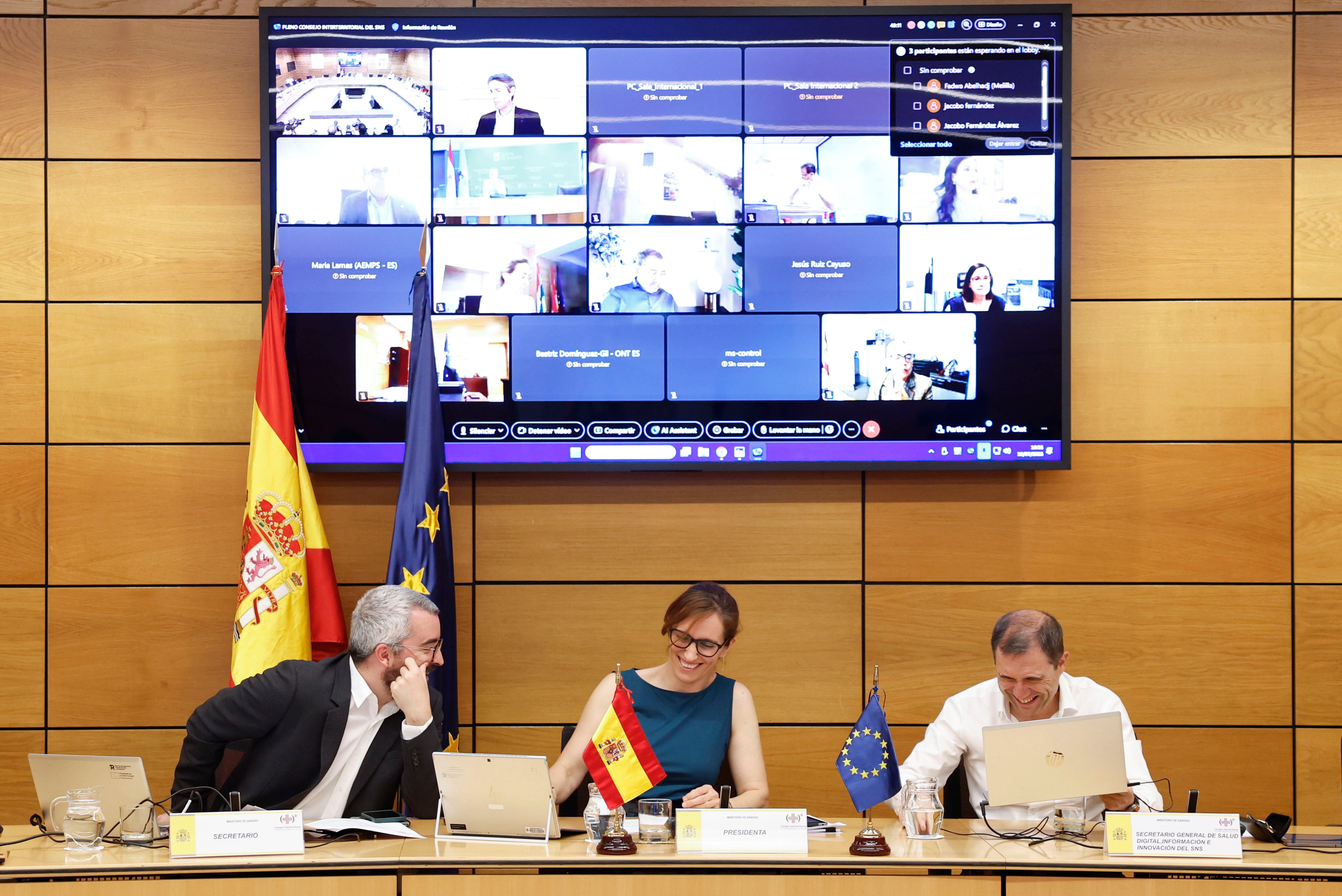
Spain's Ministry of Health has approved a new manual for euthanasia procedures aimed at expediting urgent cases and mitigating regional disparities. The Interterritorial Council gave its backing to the guide, although Madrid voted against it. This new framework is designed to enhance the role of nursing staff in the process and shorten the timeframes for patients facing imminent risk. The updated guidelines seek to standardize the application of euthanasia across different territories within Spain, ensuring more equitable access. The Ministry's decision reflects an effort to streamline the existing legislation and address practical challenges encountered in its implementation. The involvement of nurses is specifically reinforced, empowering them to play a more active part in facilitating patient requests. This move comes as part of ongoing efforts to refine Spain's euthanasia laws, which were legalized in 2021. The aim is to create a more efficient and just system for those eligible under the law.
The Spanish Ministry of Health's updated euthanasia manual represents an effort to operationalize a complex law, balancing patient autonomy with procedural safeguards. By reinforcing the role of nursing staff and aiming to reduce territorial inequalities, the guidelines address potential bottlenecks and access disparities. This initiative highlights the ongoing challenge of translating legislative intent into consistent, equitable practice across diverse healthcare systems. The differing votes among regional councils suggest that implementation will likely continue to be influenced by local governance and resource allocation, posing a persistent challenge for national standardization. Future iterations may need to further refine the interplay between patient rights, healthcare provider responsibilities, and administrative efficiency, particularly in light of evolving societal attitudes and technological capabilities in end-of-life care.
AI-generated to prompt reflection — not editorial opinion, not advice, not a statement of fact. How this works.