Spain's Judiciary Under Fire: Politicians and Judges Clash Amidst Systemic Concerns
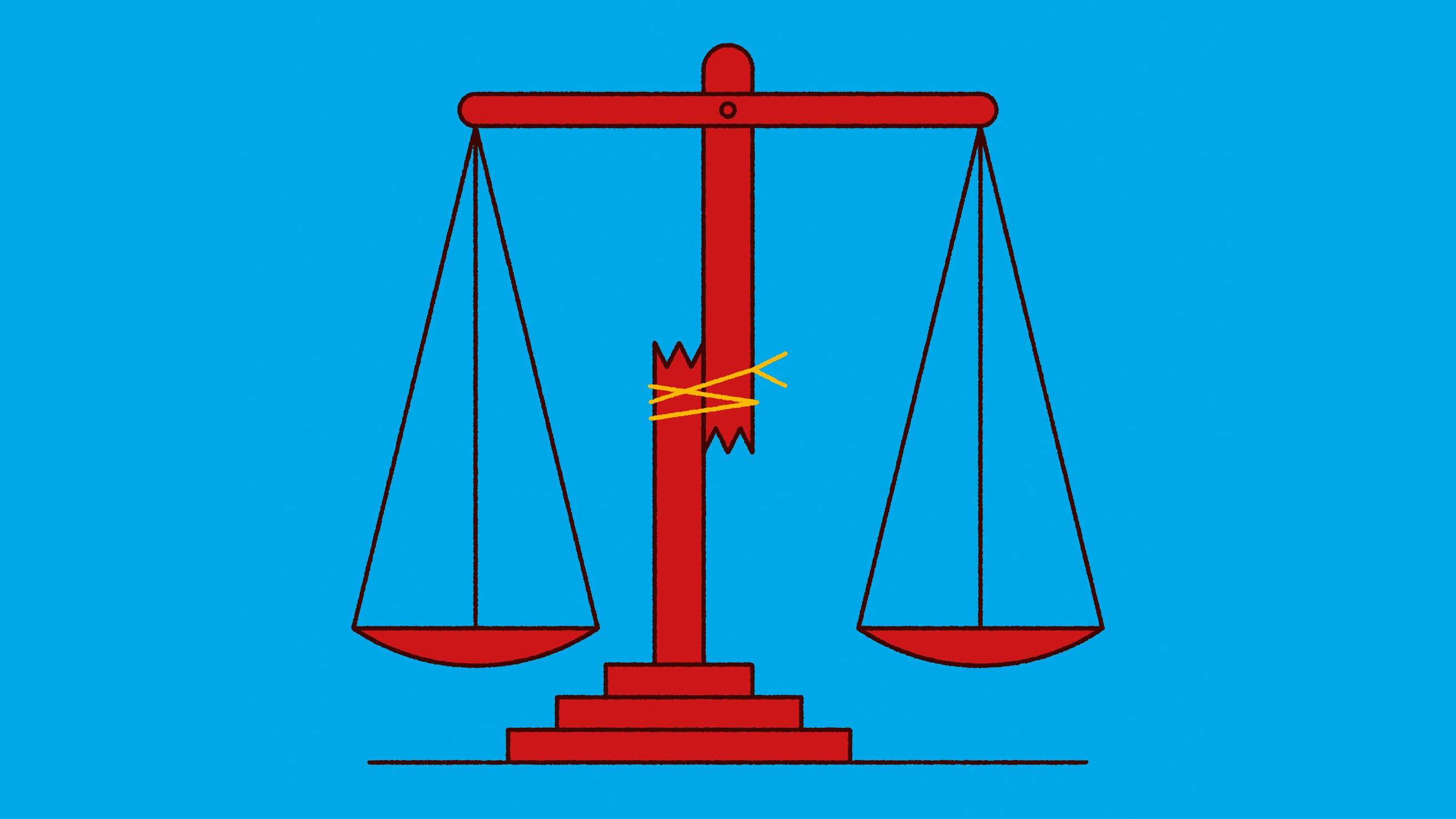
Spain is experiencing a period of intense political and judicial turmoil, with the socialist government accusing a segment of the judiciary of conspiring to oust Prime Minister Pedro Sánchez. Conversely, right-wing political factions portray judges as heroic figures acting to curb the government's perceived overreach. This conflict highlights deep-seated issues within the Spanish judicial system, prompting discussions on potential reforms. Some legal experts suggest that certain aspects of the system remain rooted in 19th-century practices, indicating a significant need for modernization. The current climate of "noise and fury" underscores a crisis of confidence and functionality within the justice system, demanding urgent attention and structural changes to ensure its efficacy and public trust. The ongoing political polarization further complicates efforts to address these systemic challenges and implement necessary improvements.
The current discord in Spain's judicial system reflects a broader tension between political branches and judicial independence, a dynamic observed globally. When political actors publicly accuse judicial bodies of conspiracy or, conversely, when politicians are framed as saboteurs of judicial processes, it often signals an erosion of institutional trust. The critique that parts of the system remain mired in 19th-century practices suggests a potential disconnect between outdated governance structures and the demands of a modern, democratic society, particularly in the context of evolving technological and societal norms. Addressing such systemic issues requires a focus on procedural fairness, transparency, and potentially judicial reform that balances accountability with autonomy, ensuring the system can adapt to contemporary challenges without succumbing to political pressures or inertia.
AI-generated to prompt reflection — not editorial opinion, not advice, not a statement of fact. How this works.