Spain's Late-Game Prowess: Merino's Instinct and De la Fuente's Composure
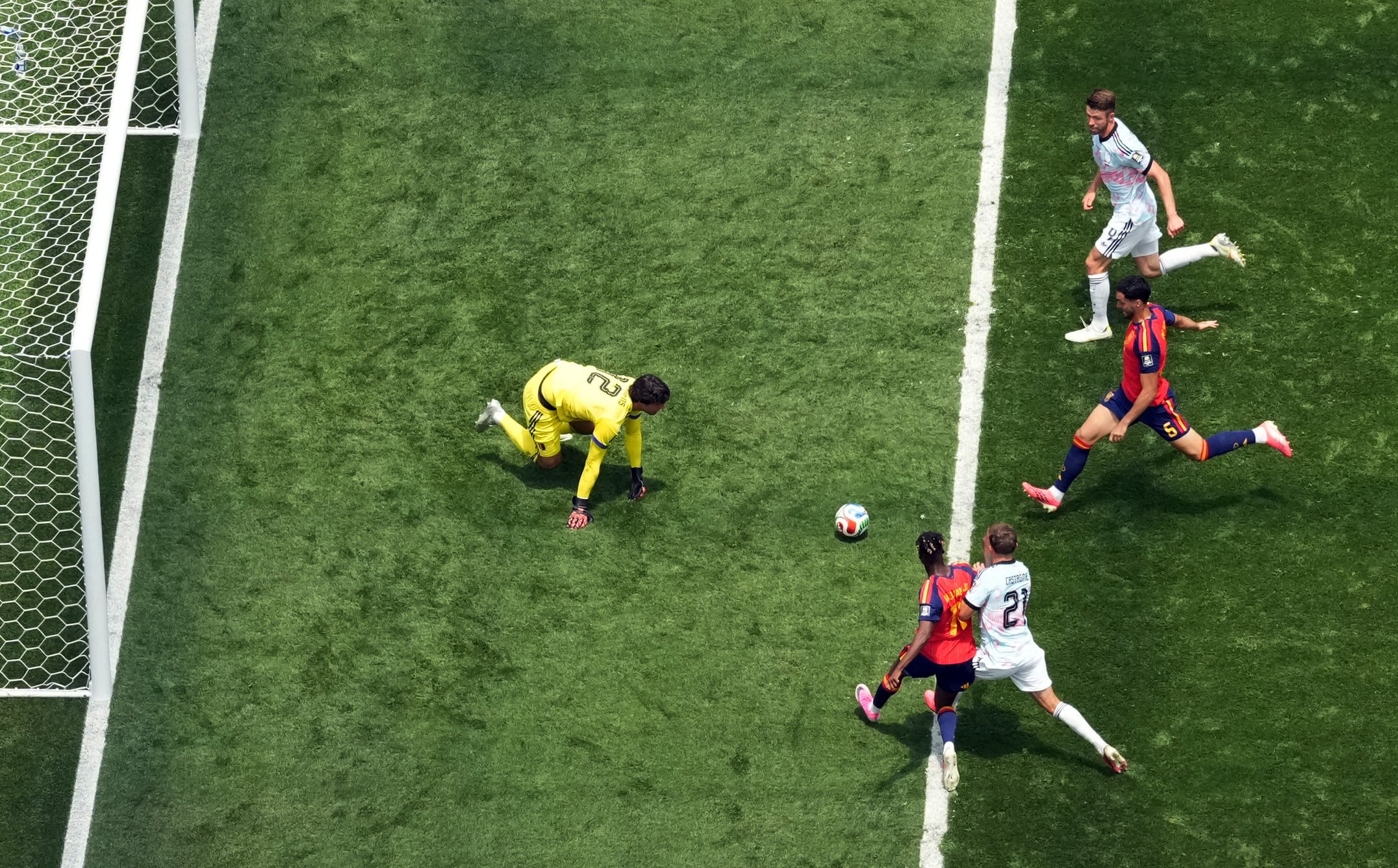
Spain secured their spot in the semifinals with a late-game goal, showcasing their dominance in the "zona Cesarini," the crucial final minutes of a match. Merino, a player from Navarre, has now scored four decisive goals after the 85th minute for the national team. This Spanish squad demonstrates remarkable composure, avoiding desperation even when facing numerous crosses into the penalty area as time winds down. Their strategy appears to be one of patience and calculated execution rather than frantic attacking. This approach has proven effective in securing vital victories when matches hang in the balance. The team's ability to maintain calm under pressure is a hallmark of their recent success. Coach Luis de la Fuente's leadership is evident in this disciplined and resilient performance. The "zona Cesarini" has become a period where Spain consistently finds a way to win, often through individual brilliance and collective focus.
Spain's consistent success in late-game situations suggests a well-drilled tactical approach that prioritizes emotional regulation and strategic patience. This "zona Cesarini" mastery highlights a potential competitive advantage, allowing them to capitalize on opponents' fatigue or defensive lapses. The team's ability to maintain composure under pressure, as exemplified by Merino's decisive goals, indicates strong mental fortitude and effective coaching under Luis de la Fuente. Looking ahead, this attribute could prove crucial in high-stakes tournaments where fine margins often determine outcomes. Understanding the psychological and tactical underpinnings of these late-game victories offers insights into effective performance under duress, a valuable lesson for any competitive endeavor in the coming decade.
AI-generated to prompt reflection — not editorial opinion, not advice, not a statement of fact. How this works.