Spain's Migrant Crisis Sparks Political Storm Fueled by Social Media
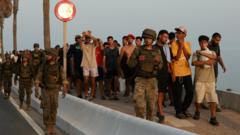
The recent crossings into Spain's North African enclave of Ceuta have triggered a significant political storm across Europe, highlighting deep divisions regarding the contentious issue of migration. This crisis has exposed the vulnerabilities in European border management and the political ramifications of sudden, large-scale population movements. The situation has been exacerbated and amplified by social media platforms, which have played a crucial role in shaping public discourse and political reactions. The BBC's Sarah Rainsford reports that the events in Ceuta have become a focal point for broader European debates on immigration policy and national security. The influx of migrants has put pressure on Spain's government and tested the solidarity among EU member states. The political fallout from this event underscores the complex challenges Europe faces in balancing humanitarian concerns with border control and integration policies. The role of digital communication in intensifying such crises is becoming increasingly apparent, influencing both public opinion and governmental responses.
The events in Ceuta demonstrate how immediate humanitarian pressures can rapidly escalate into significant geopolitical challenges, particularly when amplified by digital communication channels. Social media's role in disseminating information, and potentially misinformation, can quickly shape public perception and political urgency, creating a volatile environment for policy responses. This situation highlights a systemic tension between national sovereignty, international obligations, and the practicalities of border management in an era of increased global mobility. The political storm underscores the need for cohesive European strategies on migration, addressing root causes while establishing clear, humane, and sustainable integration frameworks. Future policy discussions will likely need to account for the speed and reach of online narratives in shaping real-world events.
AI-generated to prompt reflection — not editorial opinion, not advice, not a statement of fact. How this works.
