Spain's Minimum Vital Income reaches only 44% of eligible households, study finds
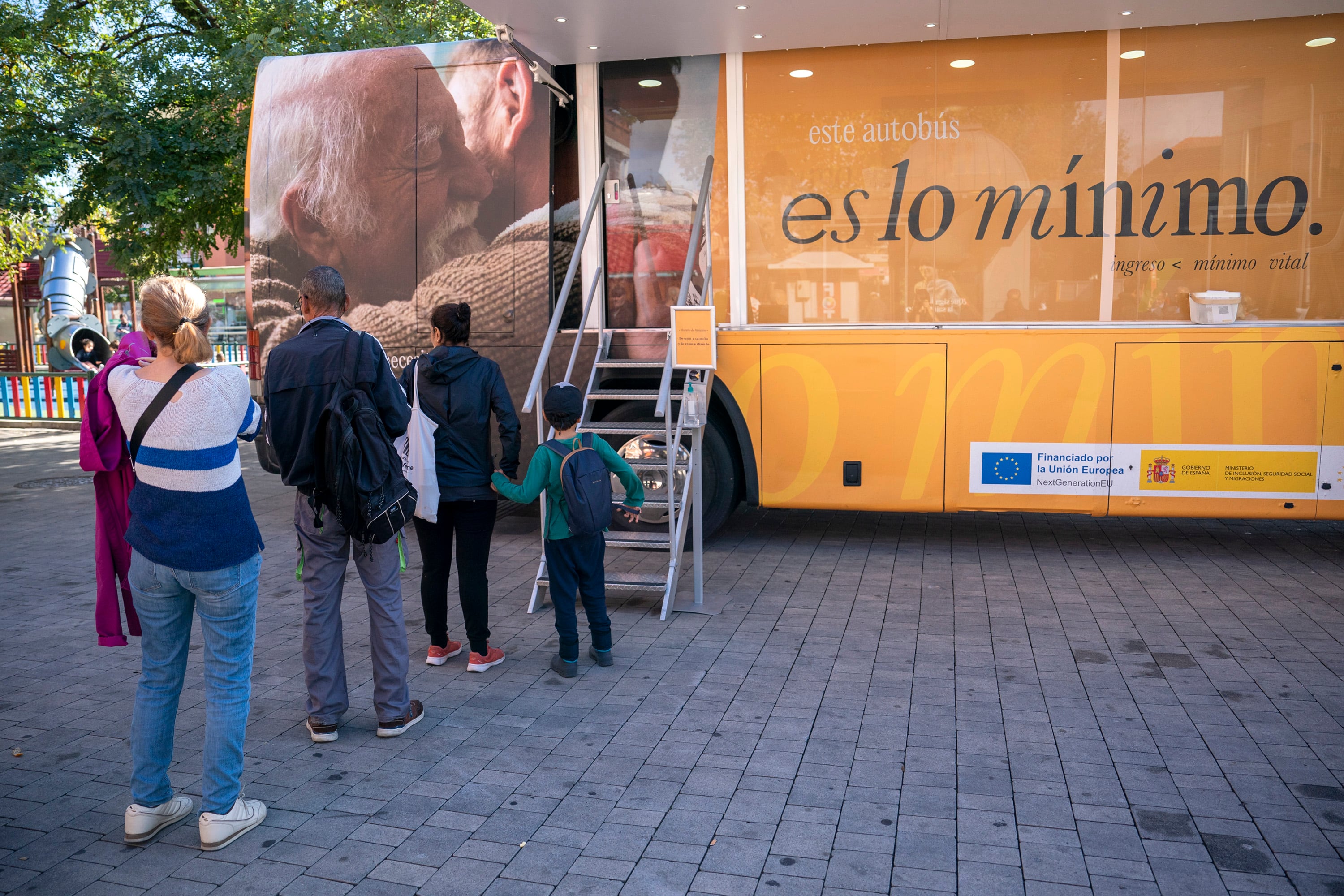
A recent analysis by the Independent Authority for Fiscal Responsibility (Airef) in Spain has revealed that the Minimum Vital Income (Ingreso Mínimo Vital) is only reaching 44% of the households eligible to receive it. This means that more than half of the potential beneficiaries are not even applying for this essential financial aid. The Airef's findings indicate a significant gap between the intended reach of the program and its actual implementation.
Due to these persistent issues and the low uptake, Airef has announced that it will cease its evaluations of the program. This decision suggests a frustration with the lack of progress in ensuring the aid reaches those who need it most. The program aims to provide a safety net for vulnerable populations, but the data suggests it is failing to connect with a substantial portion of its target demographic.
The low uptake of Spain's Minimum Vital Income program, reaching only 44% of eligible households, highlights significant challenges in program accessibility and awareness. The Airef's decision to halt evaluations suggests systemic issues may be hindering effective delivery, rather than mere implementation glitches. Future policy design should consider proactive outreach, simplified application processes, and potentially integrating such benefits with other social services to improve reach. Over the next decade, as economic precarity potentially increases, ensuring robust and accessible social safety nets will be crucial for societal stability and equitable growth.
AI-generated to prompt reflection — not editorial opinion, not advice, not a statement of fact. How this works.