Spain's NATO Contribution: More Than Just Defense Spending
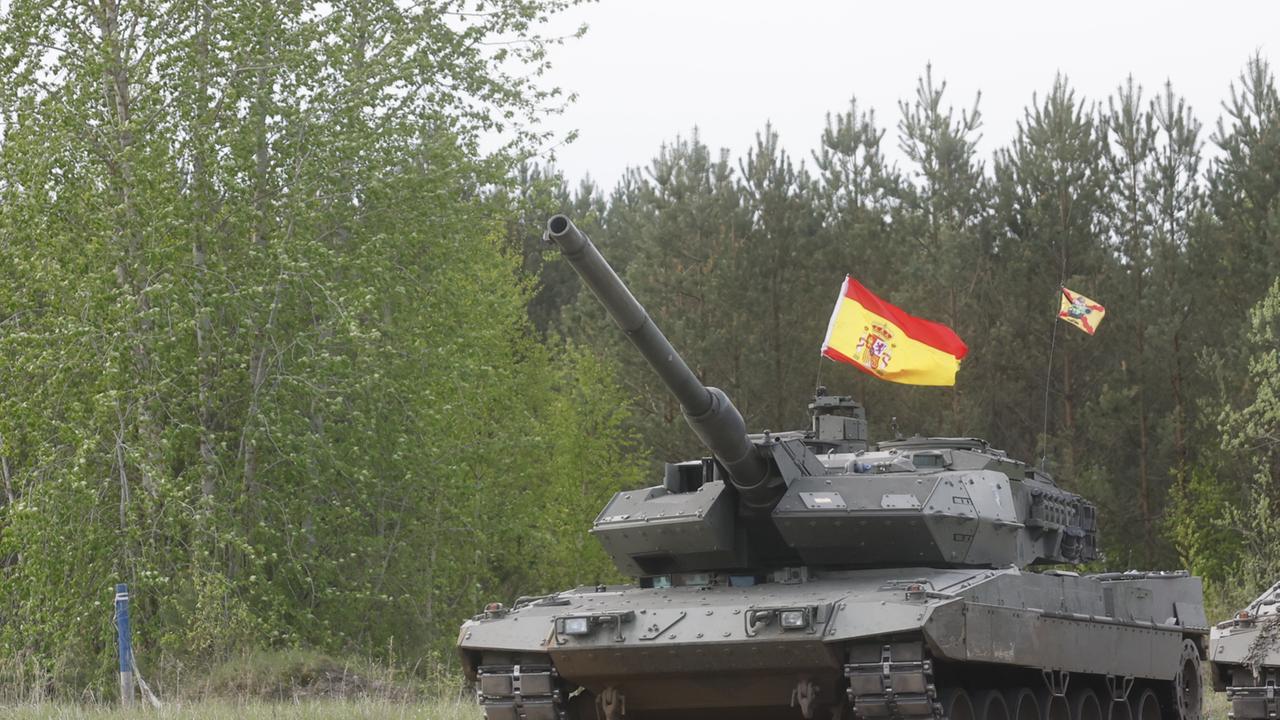
Former US President Donald Trump once suggested expelling Spain from NATO, criticizing its failure to meet the alliance's defense spending target. However, the Spanish government contends that financial contributions are not the sole measure of a member's value to NATO. Spain emphasizes that its commitment extends beyond monetary investment, implying that other factors contribute to its strategic importance within the alliance. This perspective suggests a broader definition of contribution, potentially encompassing geopolitical positioning, military capabilities beyond spending figures, or diplomatic influence. The ongoing discussion highlights a divergence in how NATO members and key allies like the US perceive and measure commitment and value within the collective security framework. Spain's stance indicates a desire for recognition of its multifaceted contributions, rather than solely focusing on the benchmark of defense expenditure.
The differing perspectives on NATO contributions, particularly between the US under the Trump administration and Spain, highlight a fundamental tension in alliance burden-sharing. While the 2% defense spending target is a quantifiable metric, Spain's argument points to the qualitative aspects of membership, such as strategic location and diplomatic engagement. This debate underscores the challenge of aligning diverse national priorities and economic capacities within a collective security structure. Moving forward, NATO may need to develop more nuanced frameworks for assessing member contributions that acknowledge a wider range of strategic assets and commitments beyond purely financial metrics, especially as geopolitical landscapes continue to evolve.
AI-generated to prompt reflection — not editorial opinion, not advice, not a statement of fact. How this works.