Spain's Popular Jury System: Three Decades of Debate
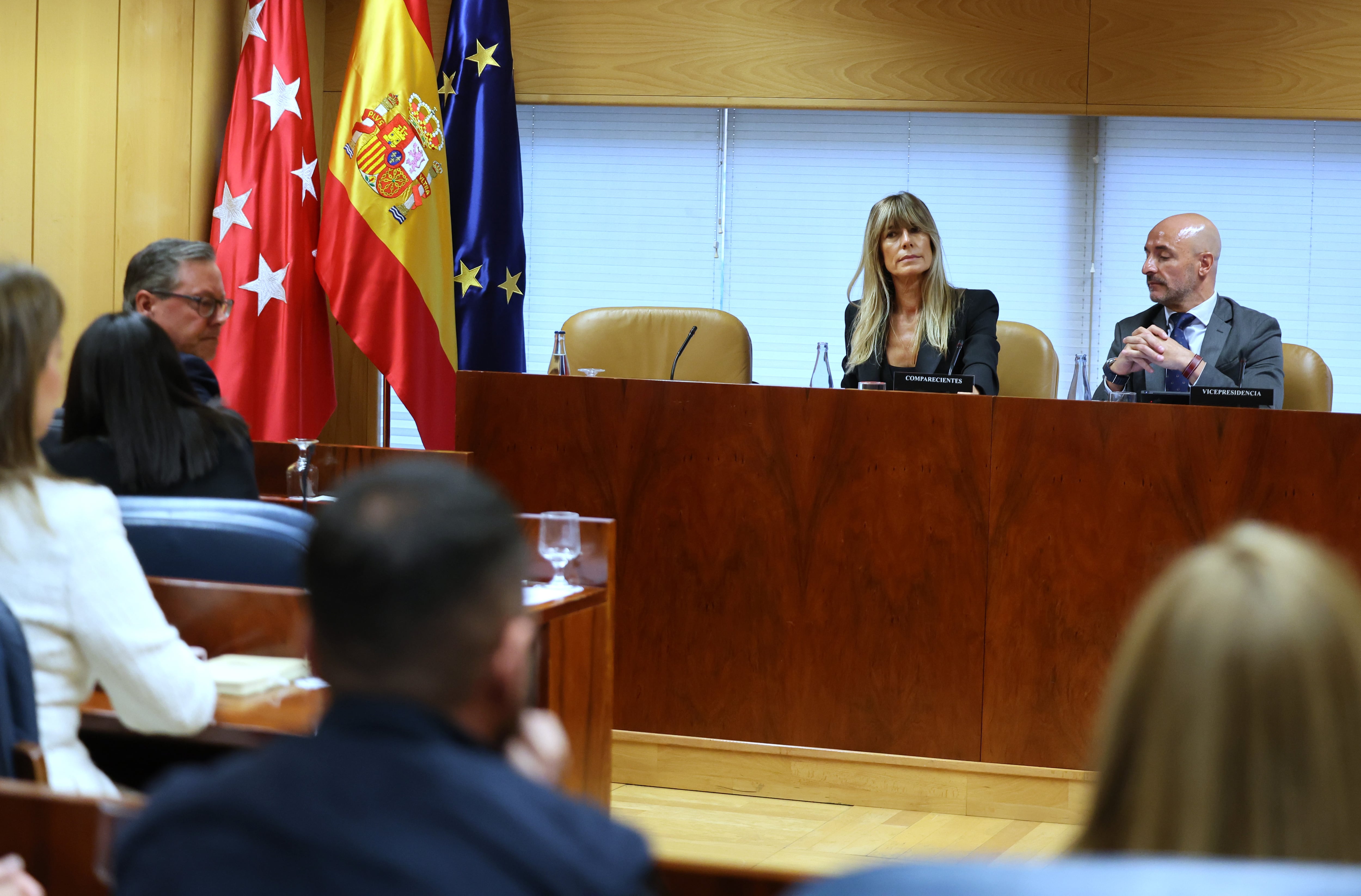
Since its implementation in 1995, Spain's popular jury system has been a subject of ongoing debate among legal professionals. A divide persists between "juradistas," who support the system, and "no juradistas," who oppose it. This tension has remained unresolved for nearly three decades, highlighting fundamental disagreements about the role of laypeople in the judicial process. The system allows citizens to participate directly in judging criminal cases, a concept that has faced both staunch advocacy and significant criticism within the legal community. The core of the disagreement appears to center on the perceived effectiveness, fairness, and potential biases associated with jury trials. Despite the long-standing debate, the system continues to operate, but the underlying questions about its efficacy and appropriateness persist.
The enduring debate surrounding Spain's popular jury system, established in 1995, reflects a fundamental tension between democratic participation in justice and concerns over judicial expertise. The persistent division between proponents and opponents suggests that the system's design or implementation may not fully address the practical challenges of integrating lay judgment with established legal frameworks. Looking ahead, the evolution of AI in legal analysis could offer new perspectives on evidence evaluation, potentially influencing the perceived need for or role of human juries. Future reforms might explore hybrid models that leverage technological advancements while retaining elements of public oversight, aiming to balance efficiency, fairness, and public trust in the judicial process.
AI-generated to prompt reflection — not editorial opinion, not advice, not a statement of fact. How this works.