Spain's PP Leader Vows National Abortion Law if Elected
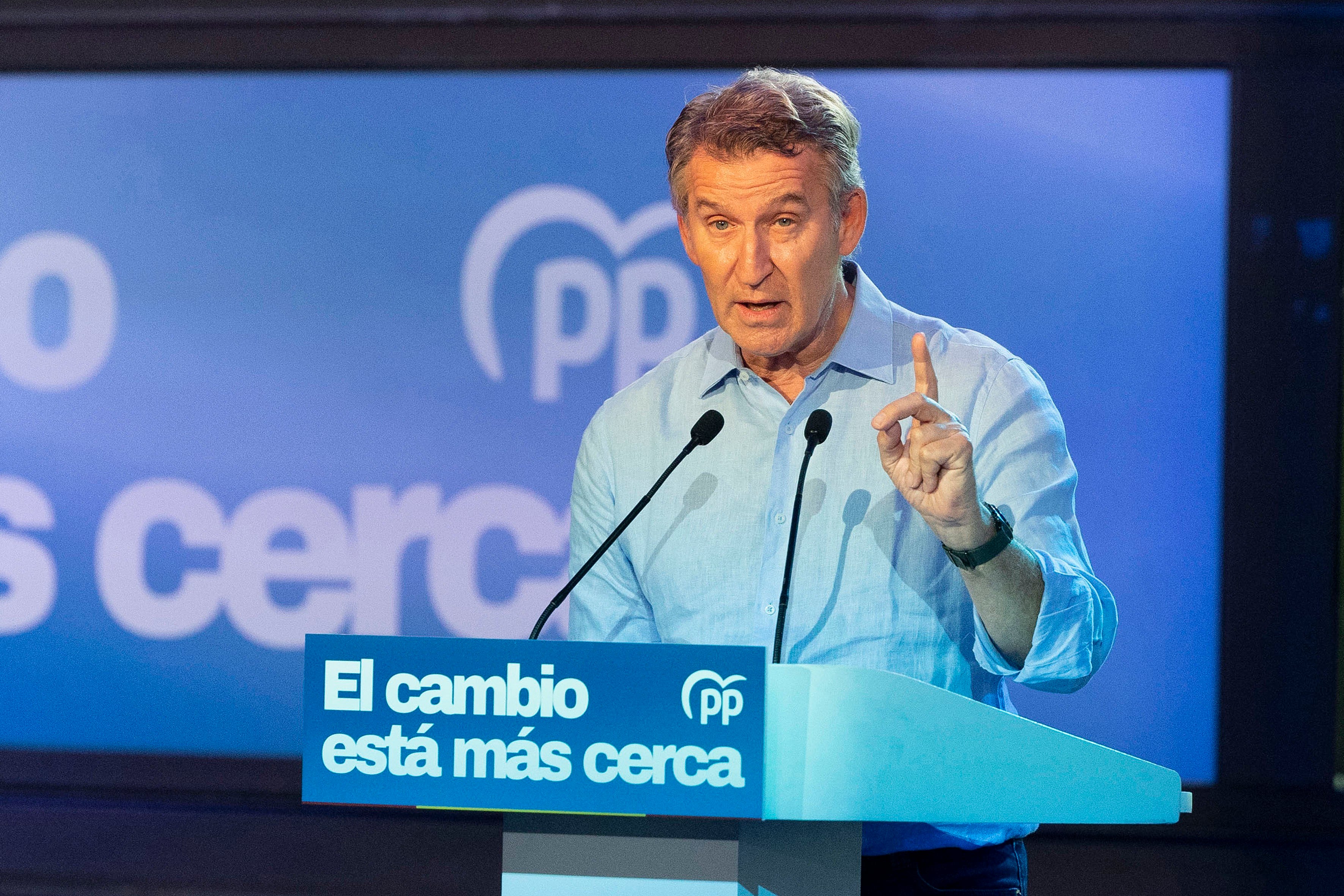
Alberto Núñez Feijóo, the leader of Spain's People's Party (PP), has pledged to implement the "conceived but unborn" law nationwide if his party wins the next general election. This proposed legislation aims to protect the rights of the unborn. Meanwhile, María Jesús Montero of the Spanish Socialist Workers' Party (PSOE) criticized the PP's agreement in Andalusia, stating that the PP is adopting "every single precept" of the far-right Vox party. Current polling data from the Institute 40dB indicates that the combined support for the PP and Vox blocs significantly outpaces that of the PSOE, Sumar, and Podemos, with an estimated lead of over 12 percentage points. This political landscape suggests a potential shift in the national political balance, with the PP and Vox forming a strong conservative alliance.
The pledge by the PP leader to nationalize a restrictive abortion law reflects a strategic alignment with conservative voter bases, potentially seeking to consolidate support by addressing deeply held social values. This move, juxtaposed with the PSOE's accusations of the PP mirroring Vox's platform, highlights a broader ideological contestation in Spanish politics. The widening polling gap suggests that this conservative bloc is currently resonating more effectively with a significant portion of the electorate, potentially driven by concerns over economic stability or cultural identity. The long-term implications of such policies could involve increased legal challenges and societal debate, impacting Spain's standing on reproductive rights within the European Union and potentially influencing demographic trends through its effect on birth rates and women's autonomy. The political dynamic underscores the ongoing tension between progressive social policies and conservative governance models.
AI-generated to prompt reflection — not editorial opinion, not advice, not a statement of fact. How this works.