Spain's PP Proposes Requiring Reports for Gender Marker Changes, Critics Say It Undermines Trans Rights
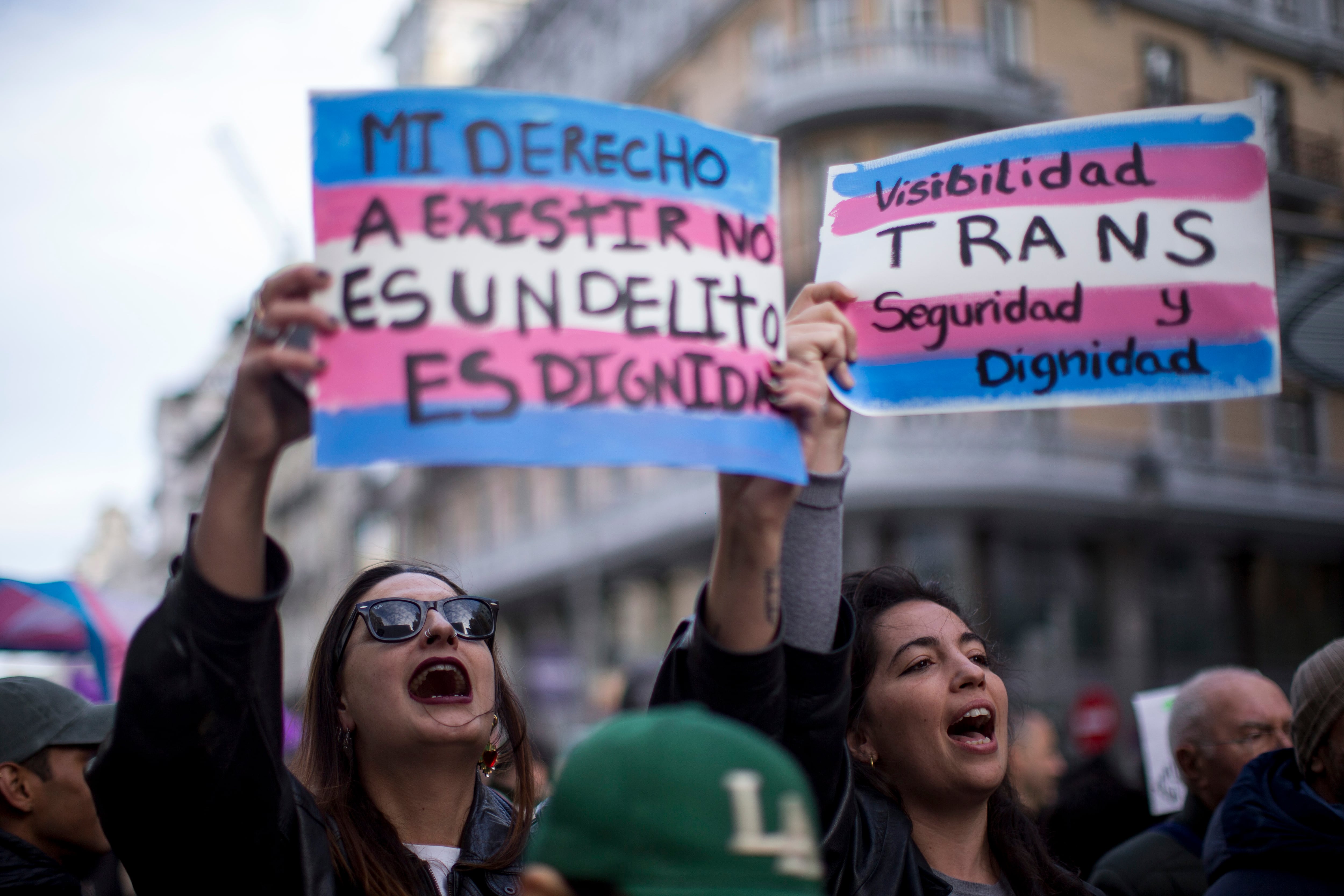
The Popular Party (PP) in Spain has proposed a new requirement for individuals seeking to change their legal gender marker in official registries. This proposal would mandate the submission of specific reports, a move that critics argue is intended to curtail the existing "trans law." The current process, which has seen approximately 5,000 registry modifications annually between 2023 and 2025, involves a judicial review and can take several months to complete. Supporters of the current law view the PP's proposal as a direct attack on their rights. The proposed changes signal a potential rollback of protections and recognition for transgender individuals in Spain. The debate highlights ongoing societal and political divisions regarding gender identity and legal recognition.
The PP's proposal to introduce mandatory reports for gender marker changes suggests a shift towards a more medically or psychologically gatekept process, diverging from the self-determination principles embedded in the current "trans law." This approach could introduce significant delays and barriers, potentially impacting the accessibility of legal gender recognition. The framing by critics as an attack on rights underscores the deep societal divisions and the perceived threat to established protections. From a systemic perspective, this policy debate reflects a broader tension between evolving legal frameworks for gender identity and more traditional or conservative views on gender. The long-term implications may involve increased legal challenges and a prolonged period of uncertainty for transgender individuals in Spain, influencing how rights are balanced against societal consensus and established legal norms.
AI-generated to prompt reflection — not editorial opinion, not advice, not a statement of fact. How this works.