Spain's PP Rejects State Pact on Wildfires Despite Overlapping Government Plans
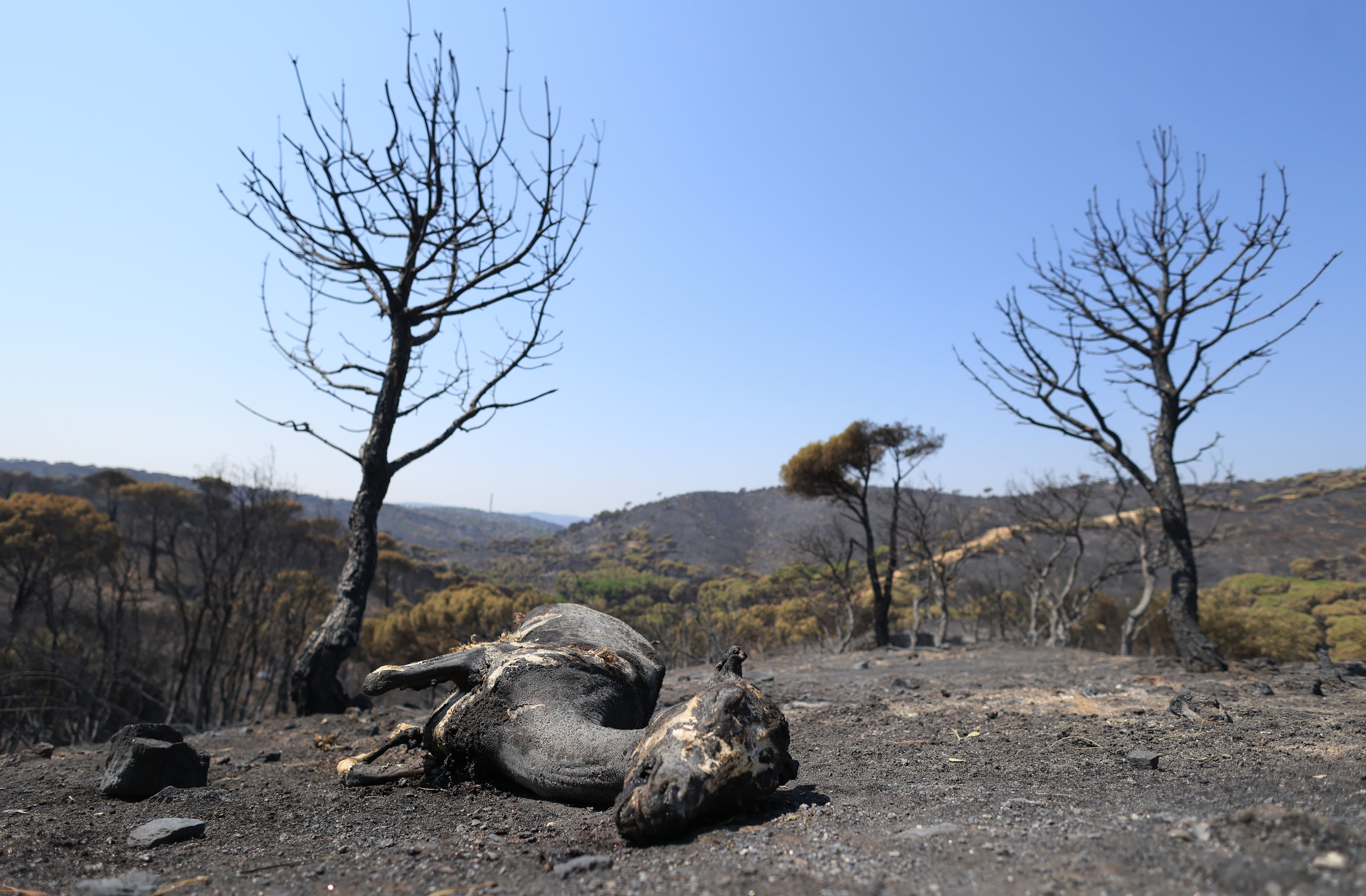
The People's Party (PP) has effectively abandoned a state pact on wildfires, despite significant overlap between their proposed anti-fire plan and the government's existing measures. Experts consulted by EL PAÍS have identified essential actions needed to combat the escalating wildfire crisis. The Secretary of State for the Environment expressed optimism, noting "ample room for agreement" on the issue.
This rejection by the PP comes despite the apparent alignment of key proposals, suggesting that political considerations may be outweighing collaborative efforts on a critical environmental and public safety matter. The government's plan, which the PP's strategy largely mirrors, aims to address the increasing frequency and intensity of wildfires, a phenomenon exacerbated by climate change.
The situation highlights a persistent challenge in Spanish politics, where cross-party cooperation on crucial national issues often falters. The experts' input underscores the urgency and the technical feasibility of a joint approach, emphasizing the need for immediate and coordinated action to protect natural resources and communities from devastating fires.
The PP's rejection of a state pact on wildfires, despite alignment with government proposals, indicates a potential prioritization of political positioning over pragmatic policy implementation. This dynamic may reflect broader trends where inter-party disputes overshadow urgent national challenges, potentially hindering effective, long-term strategies. From a systems perspective, the fragmentation of policy responses to climate-related threats like wildfires creates inefficiencies and delays in resource allocation and preventative measures. Future governance models will likely need to incentivize cross-party consensus-building on existential risks, ensuring that national security and environmental resilience are addressed through unified, evidence-based action rather than partisan maneuvering.
AI-generated to prompt reflection — not editorial opinion, not advice, not a statement of fact. How this works.
