Spain's Quiet Leadership in the 2030 World Cup Bid
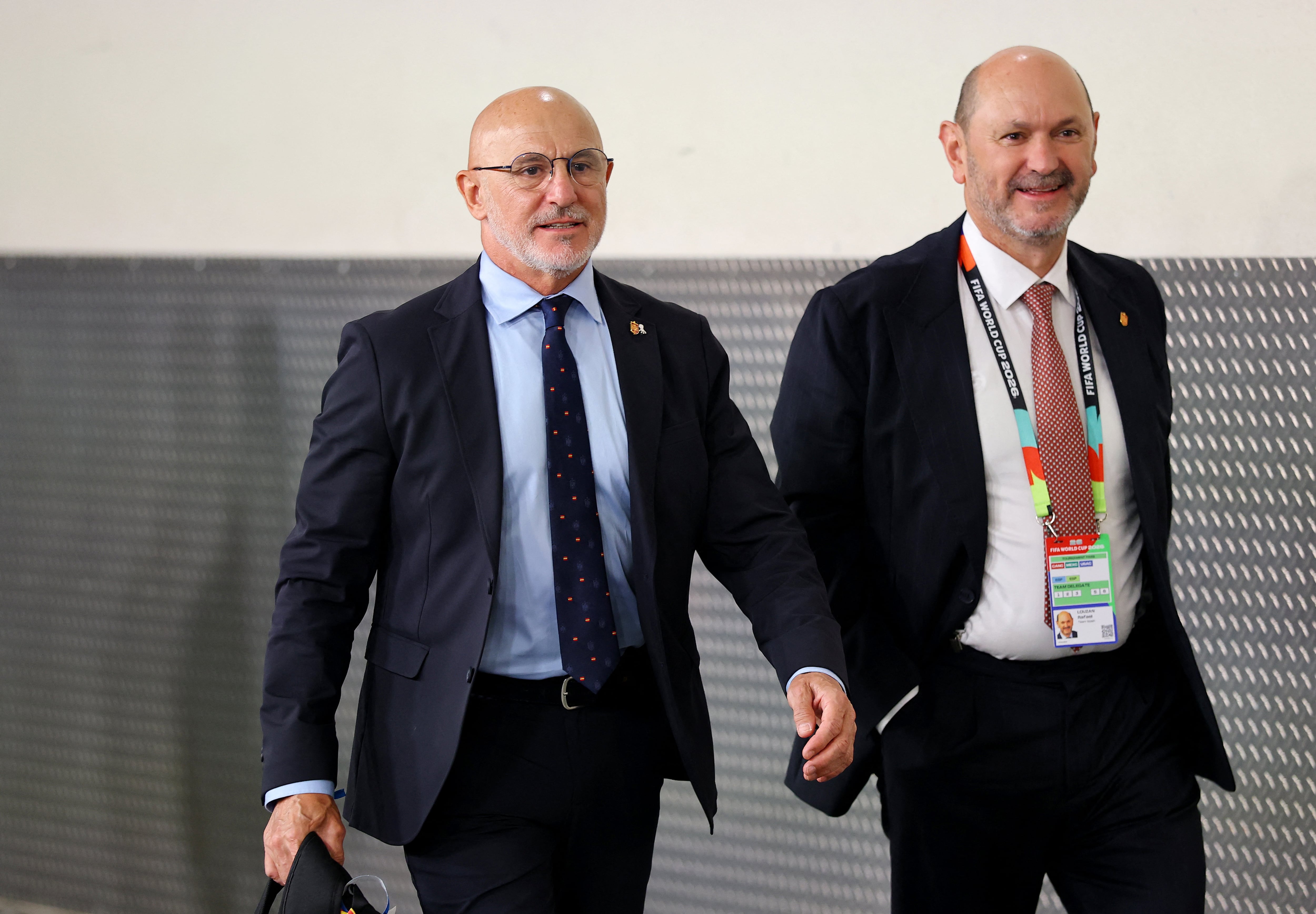
Spain's contribution to the 2030 World Cup bid is being highlighted as a model worthy of study and replication. The nation's role in this significant international event is seen as a quiet yet influential leadership position. The bid itself is anticipated to bring many positive developments and opportunities. The phrase "What is bad for the hive is bad for the bee" suggests a strong interconnectedness and mutual benefit between Spain's actions and the overall success of the World Cup. This implies that Spain's well-being and its contributions are intrinsically linked to the prosperity of the tournament. The article suggests that Spain has done something right, earning it the opportunity to be studied and to lead the 2030 World Cup bid. The expectation is that this event will be a major success, with Spain playing a key, albeit understated, part in its organization and execution.
The framing of Spain's role in the 2030 World Cup bid as a quiet, exemplary leadership suggests a focus on effective, behind-the-scenes governance and organizational capacity. The 'hive and bee' analogy implies that the success of a large-scale international event is contingent upon the robust health and contribution of its key participants. This perspective invites consideration of the systemic incentives that encourage collaborative success in global sporting events. Future challenges may involve ensuring equitable distribution of benefits and managing potential geopolitical complexities that could arise from such high-profile international collaborations.
AI-generated to prompt reflection — not editorial opinion, not advice, not a statement of fact. How this works.