Spain's Tiki-Taka Triumphs Over Tactical Football in World Cup
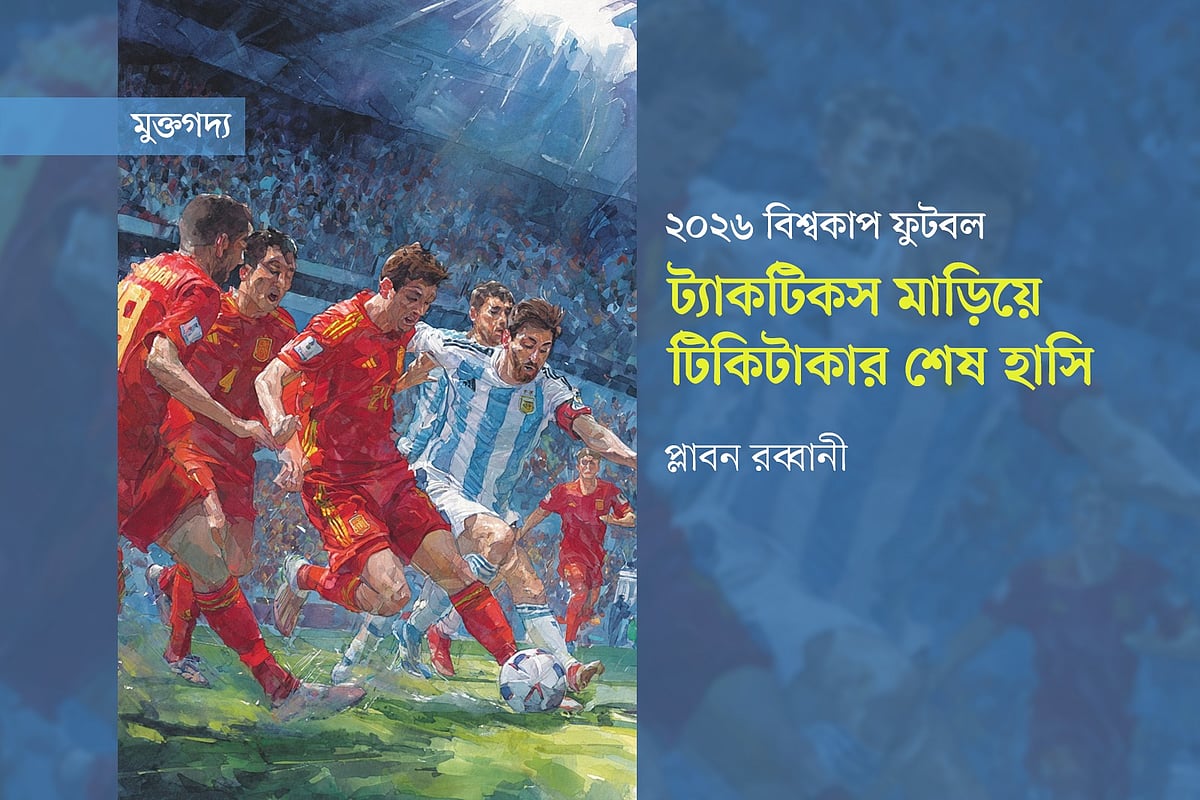
The 2026 World Cup, while featuring spectacle and goals, left many questioning the soul of modern football, where sophisticated tactics and data analytics seem to overshadow human artistry. Unlike past tournaments remembered for iconic players like Maradona, Ronaldinho, Baggio, and Zidane, this iteration felt robotic and overly trained. The corporate influence on football has seemingly diminished its inherent joy, with high-pressing strategies and data analysis replacing the unpredictable dribbling and audacious plays of yesteryear.
This perceived loss of spontaneity was contrasted by Spain's resurgence with a modern, sharp version of tiki-taka. This iteration blended traditional passing fluidity with blistering pace and dynamic winger attacks, deviating from the slower, classic style of Xavi and Iniesta. The tournament also highlighted a darker side of modern tactics, characterized by excessive fouling, time-wasting, and unsportsmanlike provocations aimed at disrupting opponents' rhythm.
Argentina's campaign exemplified this hyper-pragmatic approach, prioritizing effectiveness over aesthetics, with knockout-style strategies dominating their matches. While this approach led them to the final, the article suggests that true championship glory requires more than just calculated tactics and fouls. Spain's victory is presented as a triumph of creative freedom over rigid algorithms, a reminder that football's beauty lies in its unpredictability and capacity for spontaneous brilliance, offering a breath of fresh air from the sport's increasingly controlled environment.
The 2026 World Cup narrative highlights a tension between data-driven, tactical football and the sport's historical emphasis on individual flair and unpredictable moments. The analysis suggests that as football becomes more professionalized and reliant on analytics, there's a risk of losing the 'human element' that captivates fans. Spain's success, framed as a return to a more dynamic tiki-taka, can be interpreted as a market correction, demonstrating that while sophisticated strategies are effective, they may not always be sufficient for ultimate victory. This raises questions about the long-term sustainability of purely algorithmic approaches in a domain that thrives on creativity and emotional engagement. Future football development may need to balance technological optimization with fostering the spontaneous, high-risk, high-reward play that defines the sport's enduring appeal.
AI-generated to prompt reflection — not editorial opinion, not advice, not a statement of fact. How this works.