Spain's World Cup Dream Ends: A Familiar Final Hurdle
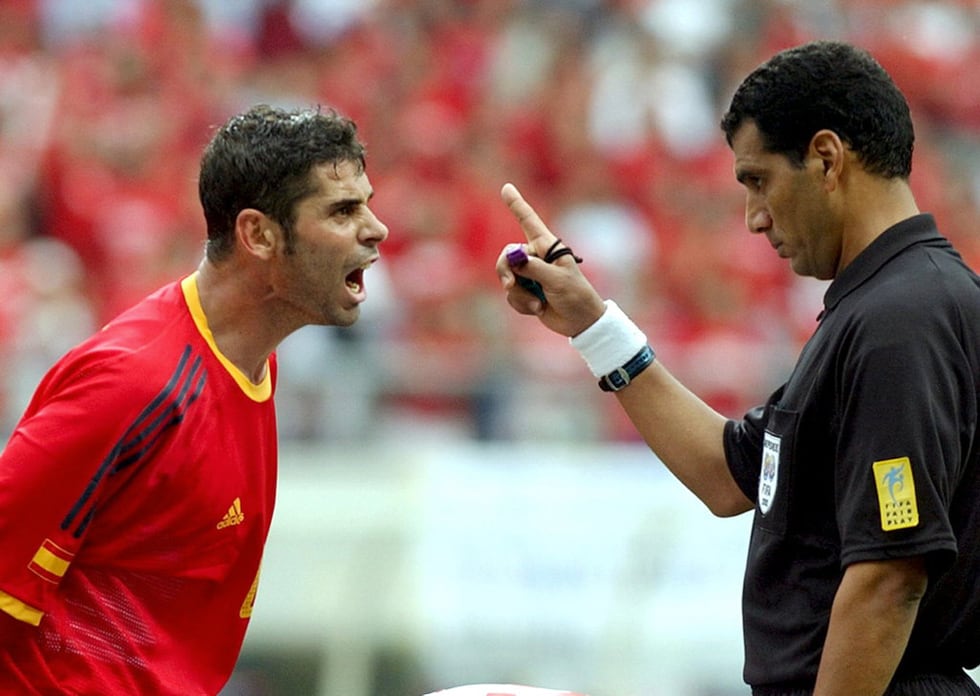
Spain's aspirations for a World Cup title have been dashed once again, marking another significant disappointment in their tournament history. The team's journey concluded following a decisive match, drawing parallels to historical territorial concessions. This latest setback evokes a sense of déjà vu, as the nation grapples with its recurring inability to reach the ultimate stage of the competition. The defeat signifies a continuation of a long-standing pattern of falling short in crucial moments on the global footballing stage. The sentiment expressed suggests a preference for a more aggressive approach, even if it meant facing a formidable opponent like England in the final, rather than accepting another near-miss. This perspective highlights the deep desire for victory and the frustration with repeated failures to secure a World Cup trophy.
This outcome underscores the persistent challenge Spain faces in converting strong tournament performances into ultimate victory. The team's repeated inability to overcome final hurdles, despite historical successes, suggests potential systemic issues in high-pressure performance or strategic planning. Examining the psychological and tactical frameworks employed during critical knockout stages could reveal opportunities for improvement. Future considerations might involve fostering greater resilience and adaptability within the squad to navigate the intense demands of a World Cup final, ensuring that historical patterns do not dictate future outcomes in the evolving landscape of international football.
AI-generated to prompt reflection — not editorial opinion, not advice, not a statement of fact. How this works.