Spain's World Cup Victory: Evolution of Tiki-Taka, Player Depth, and Tactical Genius
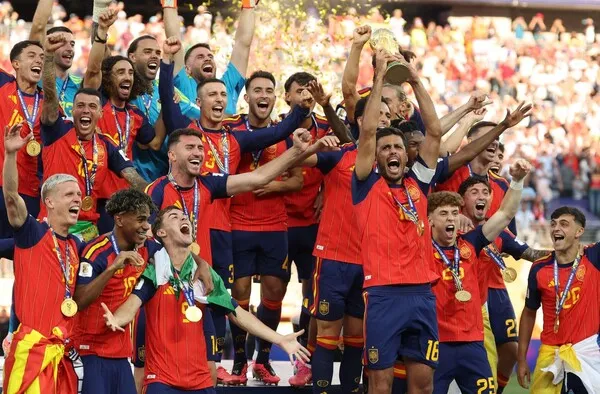
Spain's triumph at the World Cup was a result of a multifaceted strategy that combined the evolution of their signature 'tiki-taka' style of play with a deep and talented player pool. This strategic approach allowed them to adapt and overcome various challenges throughout the tournament. The team's success was not solely dependent on a few star players, but rather on the collective strength and depth of their squad. Furthermore, the tactical acumen of the coaching staff, particularly their 'mercenary tactics' or strategic deployment of players, played a crucial role in securing the championship. This blend of refined playing style, robust player selection, and astute game management proved to be the winning formula for Spain on the world stage. The victory underscores the importance of continuous adaptation and strategic depth in achieving top-tier sporting success.
Spain's World Cup victory highlights the enduring strategic advantage of adapting foundational playing philosophies. The evolution of 'tiki-taka' suggests that even established tactical systems require continuous innovation to remain effective against diverse opposition. The emphasis on player depth indicates a sophisticated understanding of tournament demands, where squad rotation and resilience are paramount. The mention of 'mercenary tactics' points to a flexible and data-driven approach to player deployment, optimizing individual strengths within the team's overall strategy. Looking ahead, this model offers a compelling case study for national teams and clubs seeking sustained success in an era where athletic performance is increasingly optimized through analytics and strategic foresight. The challenge for future champions will be to balance stylistic identity with the agility to counter evolving global competition.
AI-generated to prompt reflection — not editorial opinion, not advice, not a statement of fact. How this works.