Spain's World Cup Win: Lessons in Teamwork, Diversity, and Generational Change
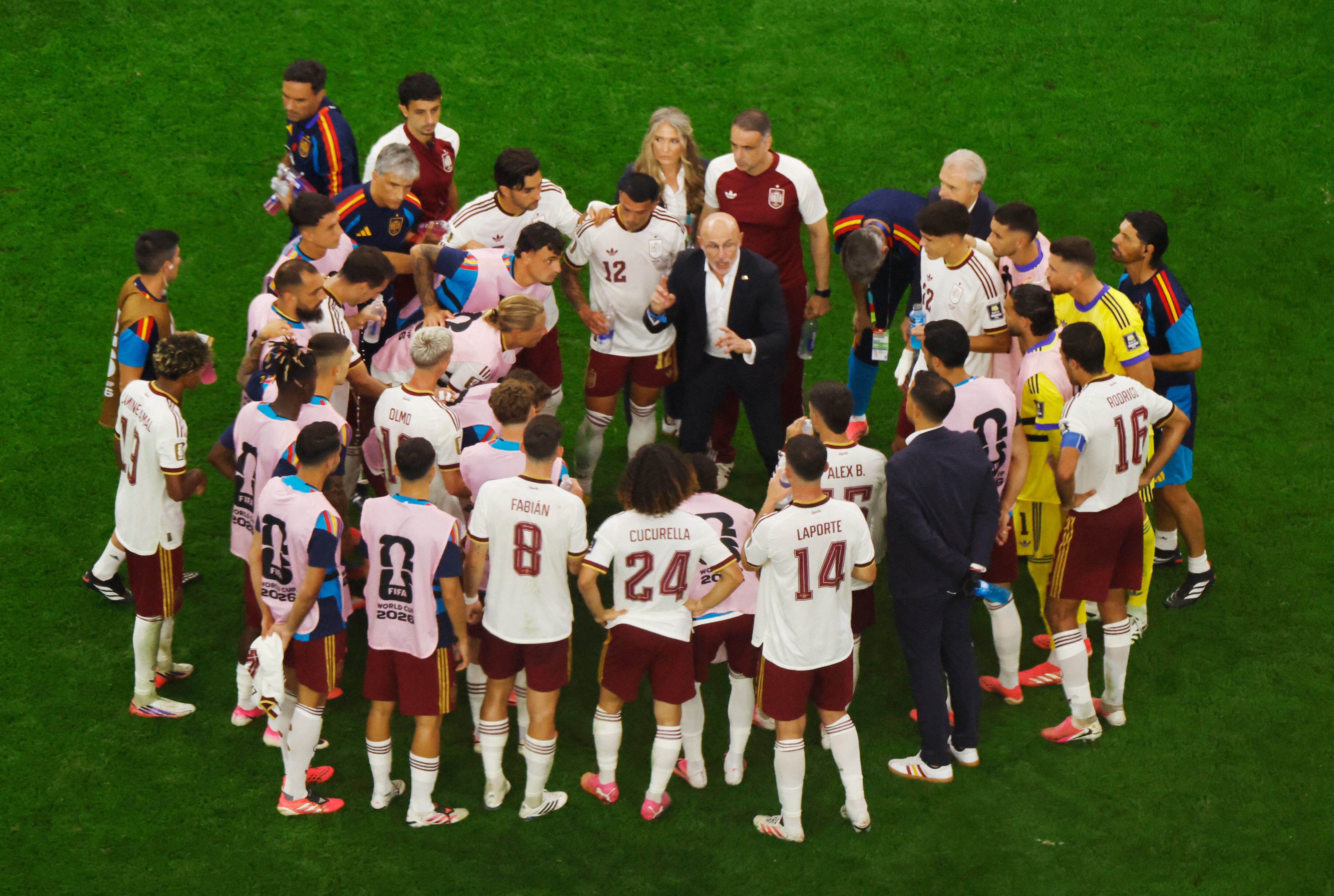
The Spanish national team has reached the World Cup final, a success attributed to a coherent internal transition and a generational renewal. Coach De la Fuente's squad has embraced diversity and a cosmopolitan outlook, effectively managing egos to project a positive global image. This victory underscores the importance of collective effort over individual stardom, offering valuable lessons applicable to both life and business.
The team's strategic approach involved a seamless handover between generations, ensuring continuity and fresh perspectives. This focus on unity and shared goals, rather than individual accolades, proved instrumental in their journey to the final. The Spanish team's performance serves as a compelling case study in effective leadership, strategic planning, and the power of a unified vision.
The Spanish team's World Cup success highlights the strategic advantage of fostering internal cohesion and embracing generational diversity. This approach, which prioritizes collective performance and manages individual ambitions, offers a model for organizational development. By cultivating a cosmopolitan outlook and a unified vision, the team demonstrates how adaptability and inclusive governance can lead to sustained success. The long-term implications suggest that organizations prioritizing these principles are better positioned to navigate evolving market dynamics and technological shifts in the coming decade.
AI-generated to prompt reflection — not editorial opinion, not advice, not a statement of fact. How this works.