Spain Tightens Rules for Building in Flood-Prone Areas Amid Extreme Weather
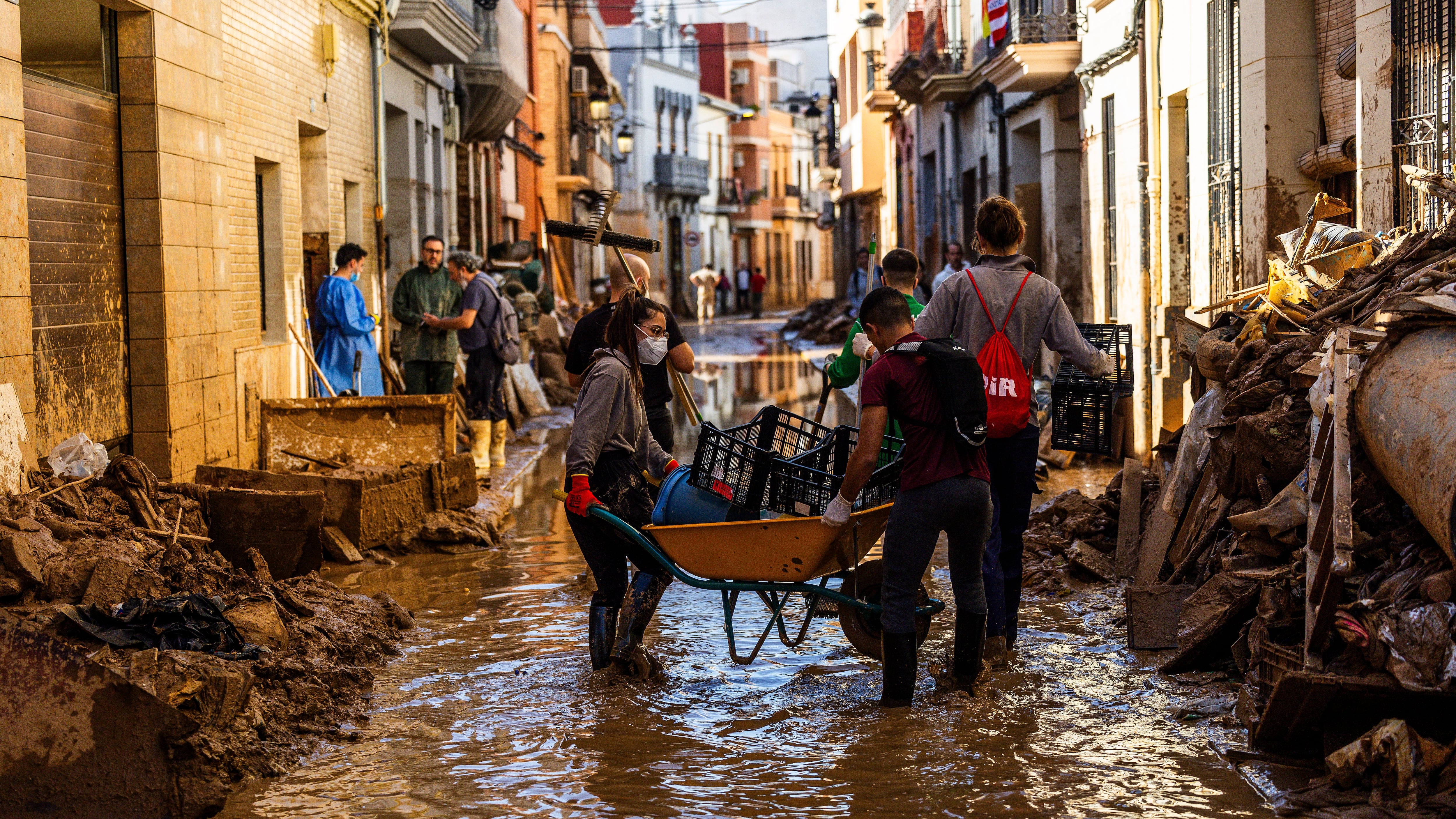
The Spanish government has implemented stricter regulations for construction in flood-prone zones, responding to an increase in extreme weather events. A new royal decree, issued by the Ministry of Ecological Transition and Demographic Challenge, aims to prevent the construction of new homes and garages in areas identified as having the highest risk of flooding.
This measure is a direct response to the growing frequency and intensity of extreme weather phenomena, which have highlighted the vulnerability of existing infrastructure and communities. The decree seeks to safeguard lives and property by ensuring that future development does not occur in locations where the risk of river overflow or flash floods is most significant. The government's action underscores a broader shift towards climate adaptation and resilience in urban planning and land use policies across the country.
The Spanish government's decree reflects a proactive approach to mitigating the escalating risks associated with climate change, particularly the increased incidence of extreme weather events like floods. By restricting new construction in high-risk floodplains, policymakers are attempting to align land-use planning with environmental realities, prioritizing long-term safety and sustainability over short-term development gains. This policy shift acknowledges the evolving risk landscape and the potential for significant economic and social disruption from natural disasters. The effectiveness of this decree will depend on rigorous enforcement, comprehensive mapping of flood zones, and the integration of these restrictions into broader national and regional climate adaptation strategies. Future challenges may include managing existing properties in these zones and addressing potential economic impacts on the construction sector and property values.
AI-generated to prompt reflection — not editorial opinion, not advice, not a statement of fact. How this works.