Spain Wildfire Stabilized After Killing 13 and Displacing 1,500
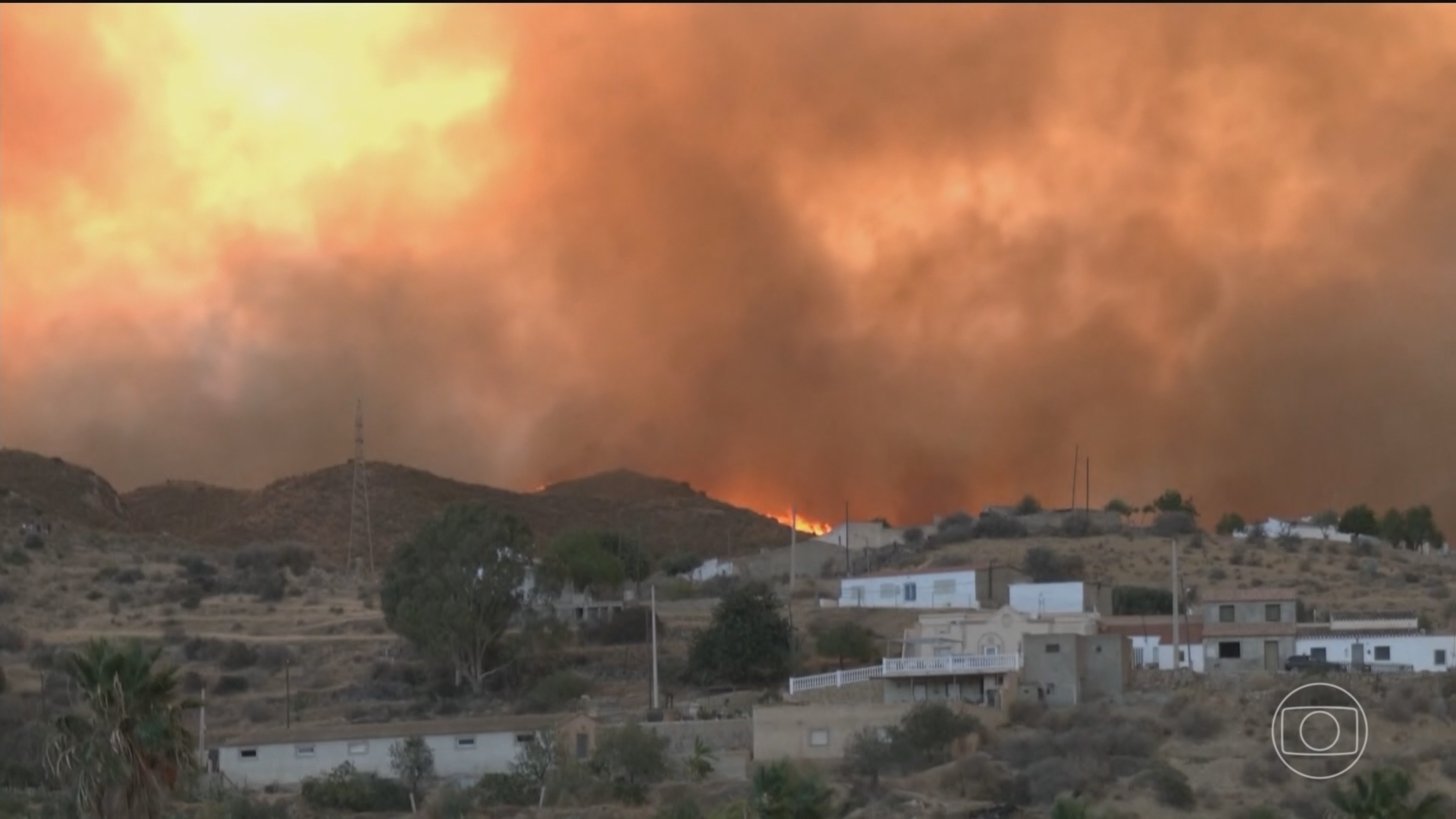
A devastating wildfire in southern Spain, which began on Thursday, September 9th, has been stabilized as of Sunday, September 12th, according to the president of the Andalusian regional government. The blaze forced nearly 1,500 residents from their homes and consumed approximately 7,000 hectares of land in the province of Almería. The fire advanced at an alarming rate of 100 meters per minute, destroying cars and entire areas. Tragically, 13 people lost their lives, with the majority being foreign nationals. Favorable weather conditions, including reduced wind intensity and increased humidity, aided firefighters in bringing the situation under control. The president of the Andalusian government, Juan Manuel Moreno Bonilla, described the stabilization as "the beginning of the end of this terrible fire." Spanish Prime Minister Pedro Sánchez is scheduled to visit the affected region on Monday. Evacuated residents have begun returning to their homes, with a staggered process for those still displaced. The exact number of missing persons remains uncertain as authorities await the completion of autopsies and body identifications, a process complicated by the need to collect samples from grieving families traveling from abroad. This incident highlights Spain's vulnerability to climate change, which has led to more frequent and intense heatwaves, increasing the risk of large-scale wildfires. In the previous year, wildfires destroyed nearly 400,000 hectares in Spain, the highest figure recorded by the European Forest Fire Information System, and resulted in eight fatalities.
The stabilization of this severe wildfire in Andalusia, resulting in significant loss of life and displacement, underscores the escalating risks posed by climate change in regions like southern Spain. The rapid spread and high casualty count point to challenges in early detection, rapid response, and potentially, land-use planning in areas prone to extreme weather events. As climate models predict more frequent and intense heatwaves and droughts, the frequency and severity of such wildfires are likely to increase. This necessitates a multi-faceted approach, including enhanced fire prevention infrastructure, improved early warning systems, and potentially, rethinking development in fire-prone zones. The incident also raises questions about the preparedness and resilience of communities, particularly those with transient or international populations, in the face of natural disasters. Future strategies must integrate climate adaptation with robust emergency management protocols to mitigate the impact of increasingly volatile environmental conditions.
AI-generated to prompt reflection — not editorial opinion, not advice, not a statement of fact. How this works.