Spain Wins World Cup in Extra Time, Denying Messi His Dream Farewell
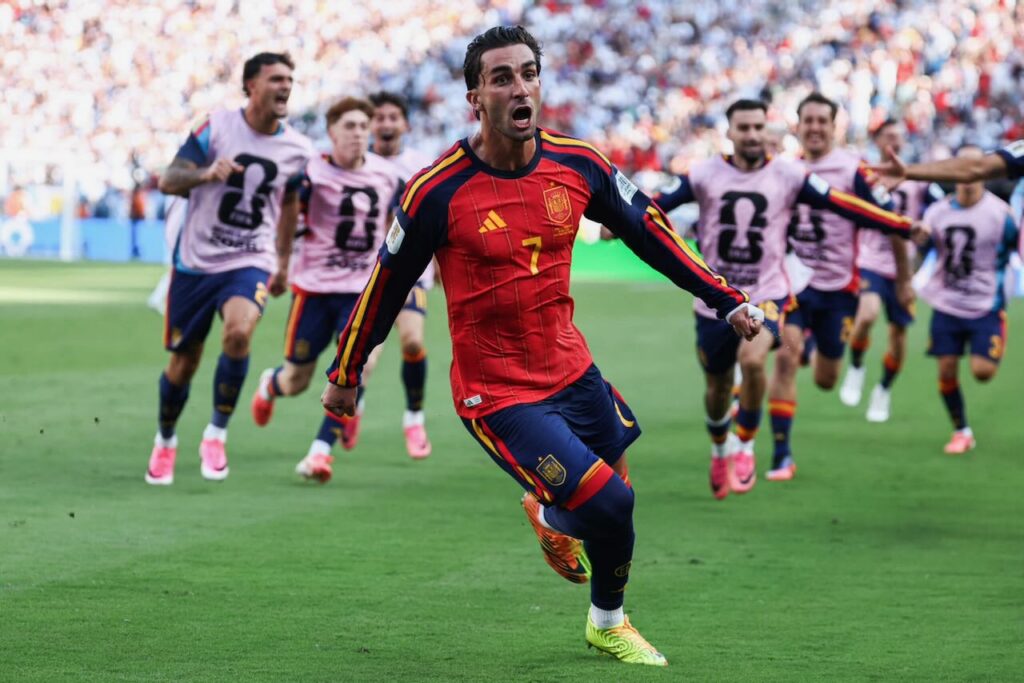
Spain has won the World Cup, defeating holders Argentina 1-0 in extra time on Sunday. The decisive goal came in the 106th minute from Barcelona striker Ferran Torres, who scored a powerful finish. This victory ended Lionel Messi's hopes of winning the World Cup in what was likely his final appearance on the global stage. Spain delivered a dominant performance throughout the match against the Argentinian team. The final was a highly anticipated event, drawing significant global attention to the sport's premier international competition. The win marks a significant achievement for the Spanish national team and their coaching staff. Argentina, despite their efforts, were unable to secure a victory in their quest for the title. The outcome of the match has left fans discussing the future of both teams and the legacy of Lionel Messi.
The World Cup final outcome highlights the unpredictable nature of elite sporting events, where a single moment of brilliance can alter established narratives. While the result is a triumph for Spain, it underscores the intense pressure and high stakes associated with major tournaments, particularly for iconic athletes like Lionel Messi nearing the end of their careers. The analysis of such events often involves examining team strategies, player performance under pressure, and the broader impact on national pride and sporting legacies. Moving forward, the focus will shift to how both nations rebuild and adapt their squads, considering the evolving landscape of international football influenced by technological advancements and new generations of talent.
AI-generated to prompt reflection — not editorial opinion, not advice, not a statement of fact. How this works.