Spanish Civil War: Conspiracy and Historical Re-evaluation
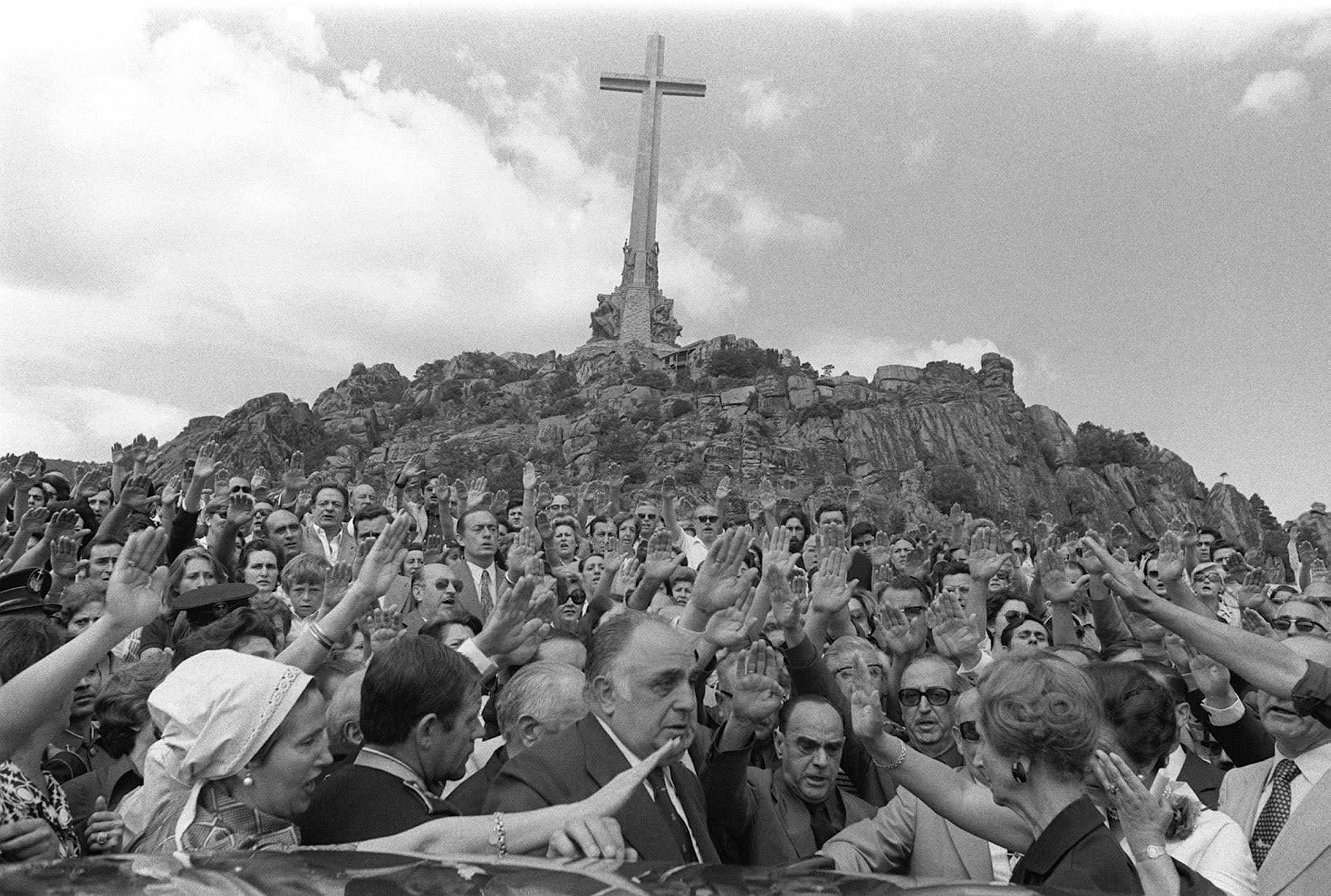
The Spanish Civil War, long understood as the product of a conspiracy, is undergoing a re-evaluation of its origins. While not entirely definitive, recent historical perspectives have shed significant light on the underlying factors that led to the conflict. The understanding of the war as a pre-meditated event, orchestrated by specific groups, has gained traction among historians. This shift in interpretation suggests a more complex causal narrative than previously accepted. The ongoing research aims to provide a more nuanced understanding of the motivations and actions of the key players involved. The re-examination of historical evidence is crucial for a comprehensive grasp of this pivotal period in Spanish history. Further scholarly work is expected to continue refining these interpretations. The identification of conspiratorial elements is a significant step in this ongoing historical debate.
The re-examination of the Spanish Civil War's origins through the lens of conspiracy theory prompts a critical look at historical narratives. Understanding such conflicts requires dissecting the interplay of political, social, and economic forces, rather than solely attributing them to singular plots. Future historical analysis should focus on the systemic conditions that enable or foster conspiratorial thinking and action within political movements. Examining the evolution of historical interpretation itself reveals how societal anxieties and prevailing ideologies can shape our understanding of past events. This perspective encourages a forward-looking approach to prevent the recurrence of conflict by addressing underlying societal fissures.
AI-generated to prompt reflection — not editorial opinion, not advice, not a statement of fact. How this works.