Spanish Civil War: Wounds Remain Open 90 Years After Conflict's Start
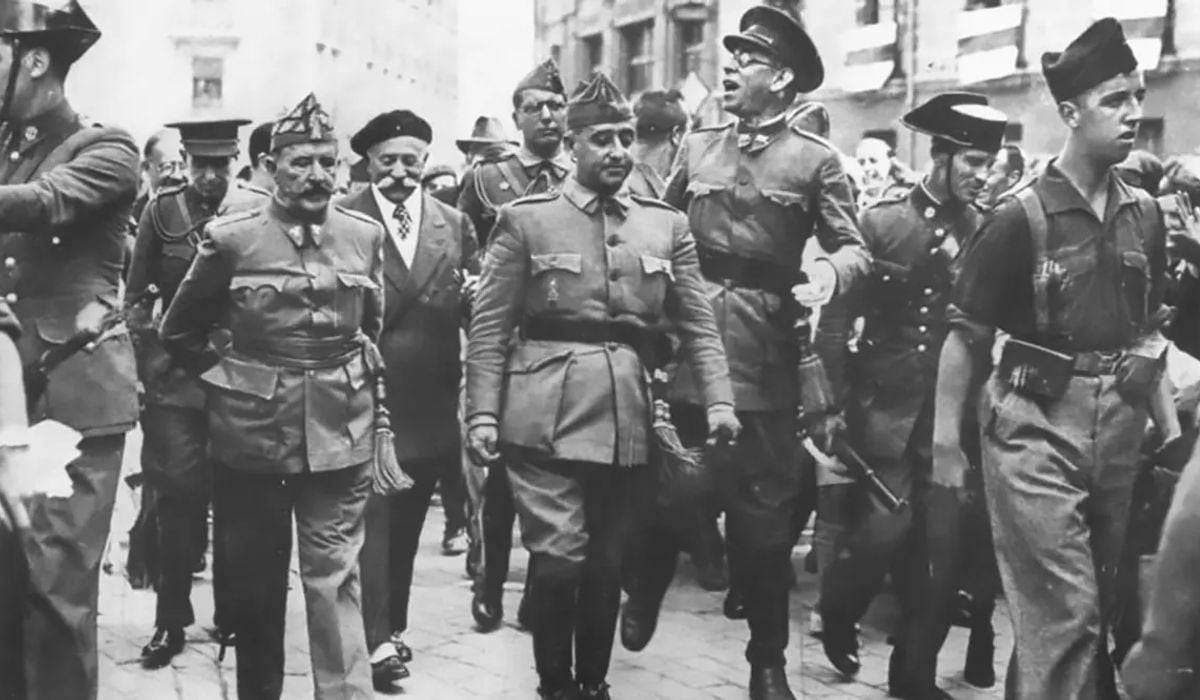
Ninety years after the rebellion began in Melilla, the wounds of the Spanish Civil War continue to be a part of public discourse in Spain. Historians emphasize the need to acknowledge that collective memories of the conflict can be divided. They also highlight the importance of denouncing the political exploitation of the war's legacy. The initial uprising, which marked the start of the devastating conflict, originated in Melilla. The war's lasting impact is evident in ongoing societal debates and the way historical memory is utilized. Experts stress that a mature approach involves accepting the plurality of memories. Furthermore, they call for vigilance against those who seek to manipulate the historical narrative for contemporary political gain. The enduring relevance of the Spanish Civil War underscores the challenges of reconciliation and the complex relationship between past and present.
Ninety years after the Spanish Civil War's commencement, the conflict's legacy continues to be a subject of public and political contention. The historical narrative is not monolithic, reflecting diverse and often conflicting memories among the Spanish populace. This situation presents a challenge for national cohesion, as political actors may seek to leverage these divisions for electoral or ideological advantage. Moving forward, fostering a shared understanding requires acknowledging the multiplicity of experiences and memories, while critically examining how historical events are framed and employed in contemporary discourse. The long-term implications involve navigating the complexities of historical memory in an era increasingly shaped by digital information and evolving societal values, demanding a nuanced approach to ensure that the past informs, rather than divides, the present and future.
AI-generated to prompt reflection — not editorial opinion, not advice, not a statement of fact. How this works.