Spanish Constitutional Court to Rule on Amnesty Law in July, Sparking Political Debate
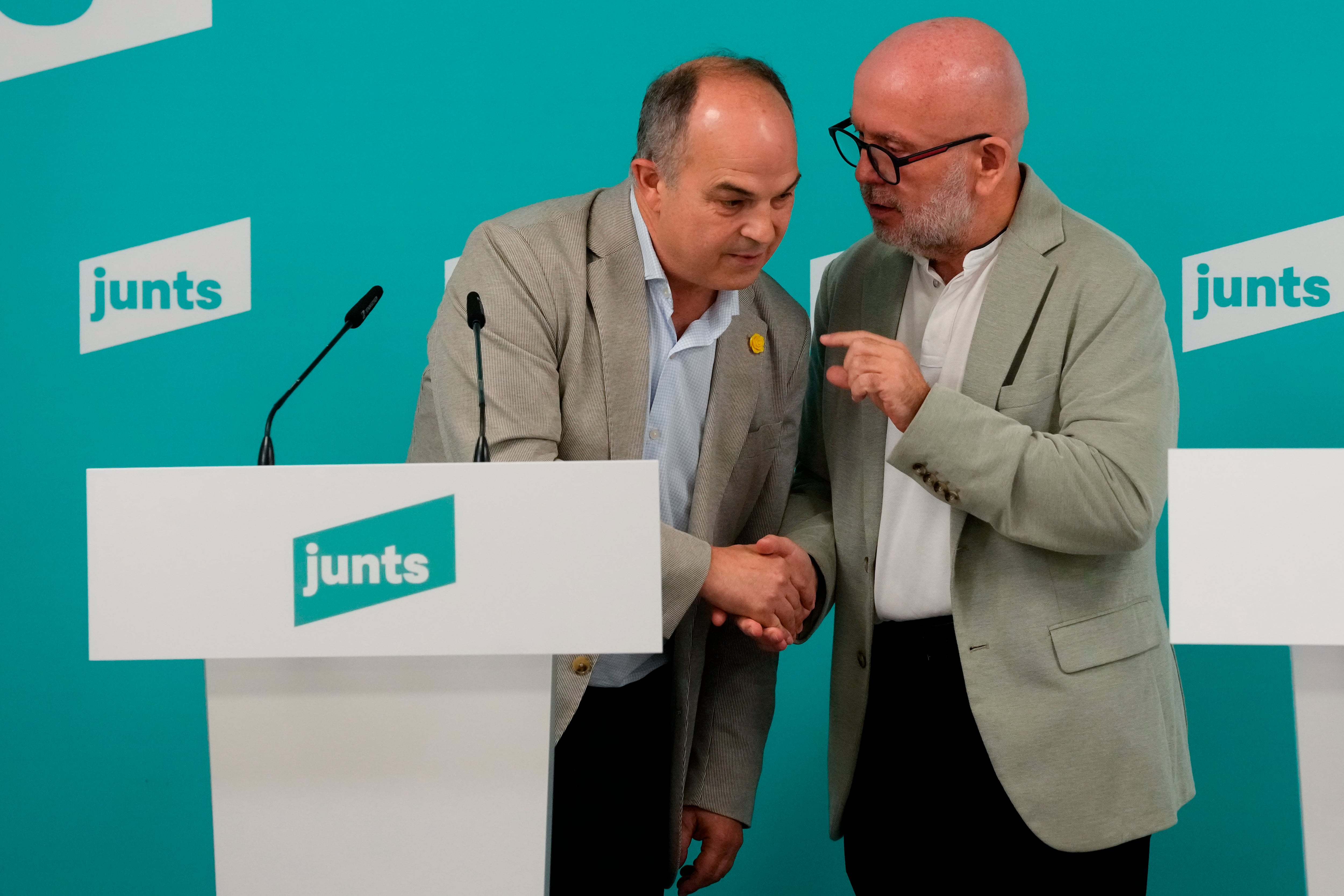
The Spanish government views the European Court's decision as validation for its legislative agenda, while Catalan parties Junts and ERC maintain that the conflict is far from over. The Constitutional Court is expected to reject a challenge against the amnesty law in July. Following this, the court anticipates reviewing requests for protection related to the amnesty starting in October. This development signifies a critical juncture in the implementation of the amnesty law, which has been a central policy of the current government's term. The differing reactions from the government and Catalan nationalist parties highlight the ongoing political tensions surrounding the measure. The government's stance suggests confidence in the legal framework supporting the amnesty, aiming to resolve past political disputes. Conversely, Junts and ERC's statements indicate a continued struggle for their political objectives, implying that the amnesty law, even if upheld, will not fully satisfy their demands or conclude the broader political debate. The timeline set by the Constitutional Court indicates a phased approach to addressing the legal challenges, with the initial ruling on the core challenge expected soon, followed by a more detailed examination of individual appeals.
The Spanish government's framing of the European Court's decision as an endorsement of its political strategy highlights the inherent tension between national legislative priorities and judicial review processes. The Constitutional Court's anticipated timeline for ruling on the amnesty law, with a decision on the main challenge in July and subsequent review of protection requests from October, suggests a structured legal process. However, the continued opposition from Junts and ERC underscores that legal resolutions do not automatically equate to political consensus. This situation presents a complex dynamic where the government seeks to leverage legal outcomes for political capital, while opposition parties maintain their stance, indicating that the underlying political conflict persists beyond judicial pronouncements. The long-term implications will depend on how the court's decisions are interpreted and whether they contribute to a lasting de-escalation or merely shift the locus of the political debate.
AI-generated to prompt reflection — not editorial opinion, not advice, not a statement of fact. How this works.