Spanish Doctor Mario Alonso Puig on Fear and the Value of What We Protect
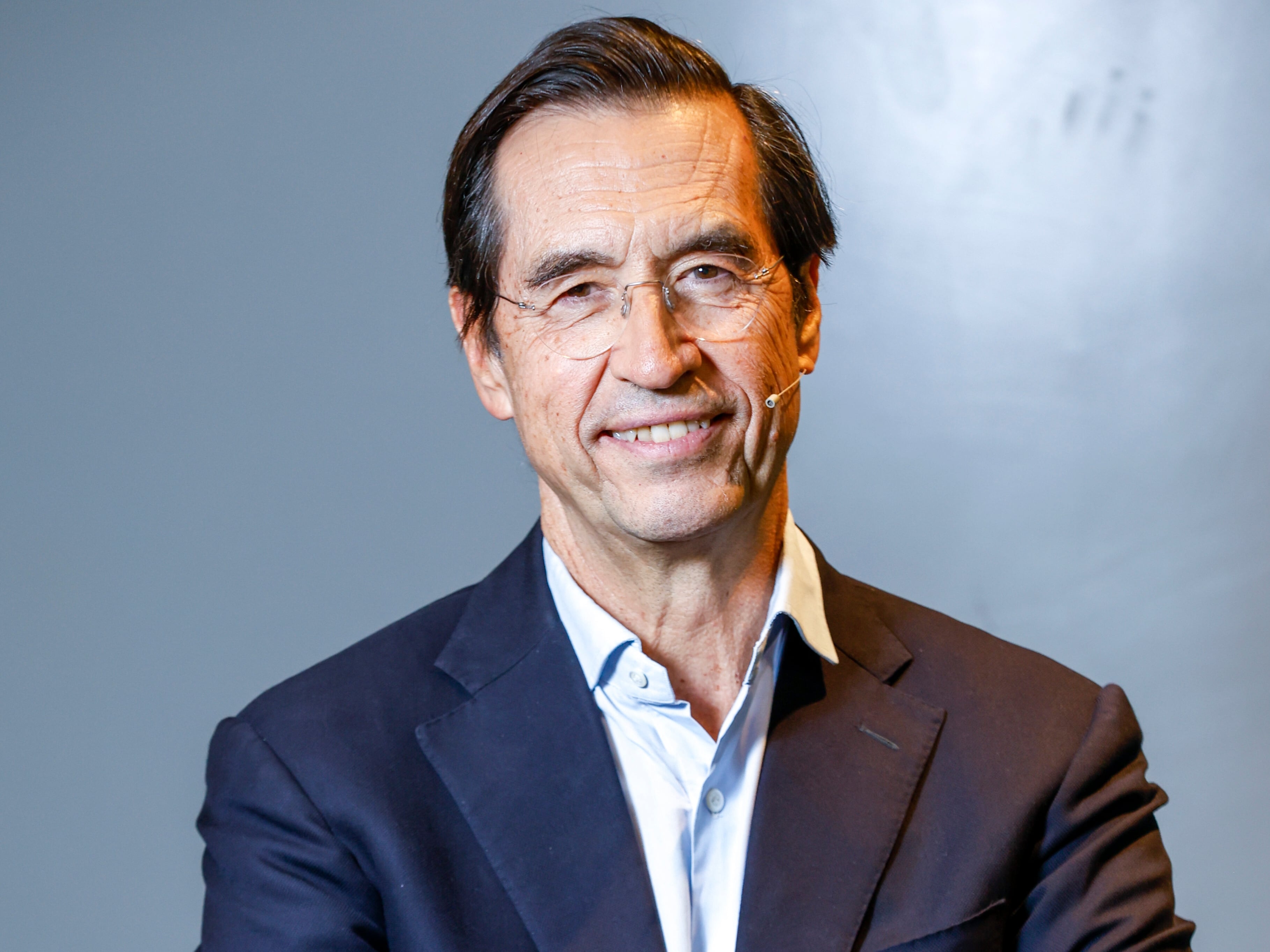
Spanish surgeon and speaker Mario Alonso Puig recently shared his insights on well-being, love, and the significance of accepting personal wounds in an interview with LA NACION. Puig, a recognized medical professional and motivational speaker, discussed the nature of fear, suggesting that it often arises when something valuable is at stake. His reflections touched upon the importance of emotional resilience and self-acceptance in navigating life's challenges. The conversation delved into how understanding and embracing our vulnerabilities can lead to greater personal growth and a more fulfilling life. Puig emphasized that acknowledging our past experiences, including pain and setbacks, is crucial for developing a stronger sense of self and fostering healthier relationships. He posited that true well-being is intrinsically linked to our capacity for love and our willingness to confront and integrate our personal histories. The dialogue aimed to provide a framework for listeners to better understand their emotional landscapes and cultivate a more positive outlook.
Dr. Mario Alonso Puig's perspective frames fear not as an inherent threat, but as an indicator of perceived value, suggesting a cognitive reinterpretation of emotional responses. This viewpoint encourages individuals to assess what they hold dear, potentially transforming fear into a catalyst for self-awareness and protective action rather than paralysis. In the context of an increasingly complex world, understanding the psychological underpinnings of fear can empower individuals to make more rational decisions, distinguishing between genuine threats and anxieties rooted in perceived loss. This approach aligns with cognitive behavioral principles, emphasizing the power of thought patterns in shaping emotional experience and behavioral outcomes, offering a proactive strategy for personal development in the face of uncertainty.
AI-generated to prompt reflection — not editorial opinion, not advice, not a statement of fact. How this works.