Spanish Ex-PM's Comments on French National Team Echo Xenophobic Tropes
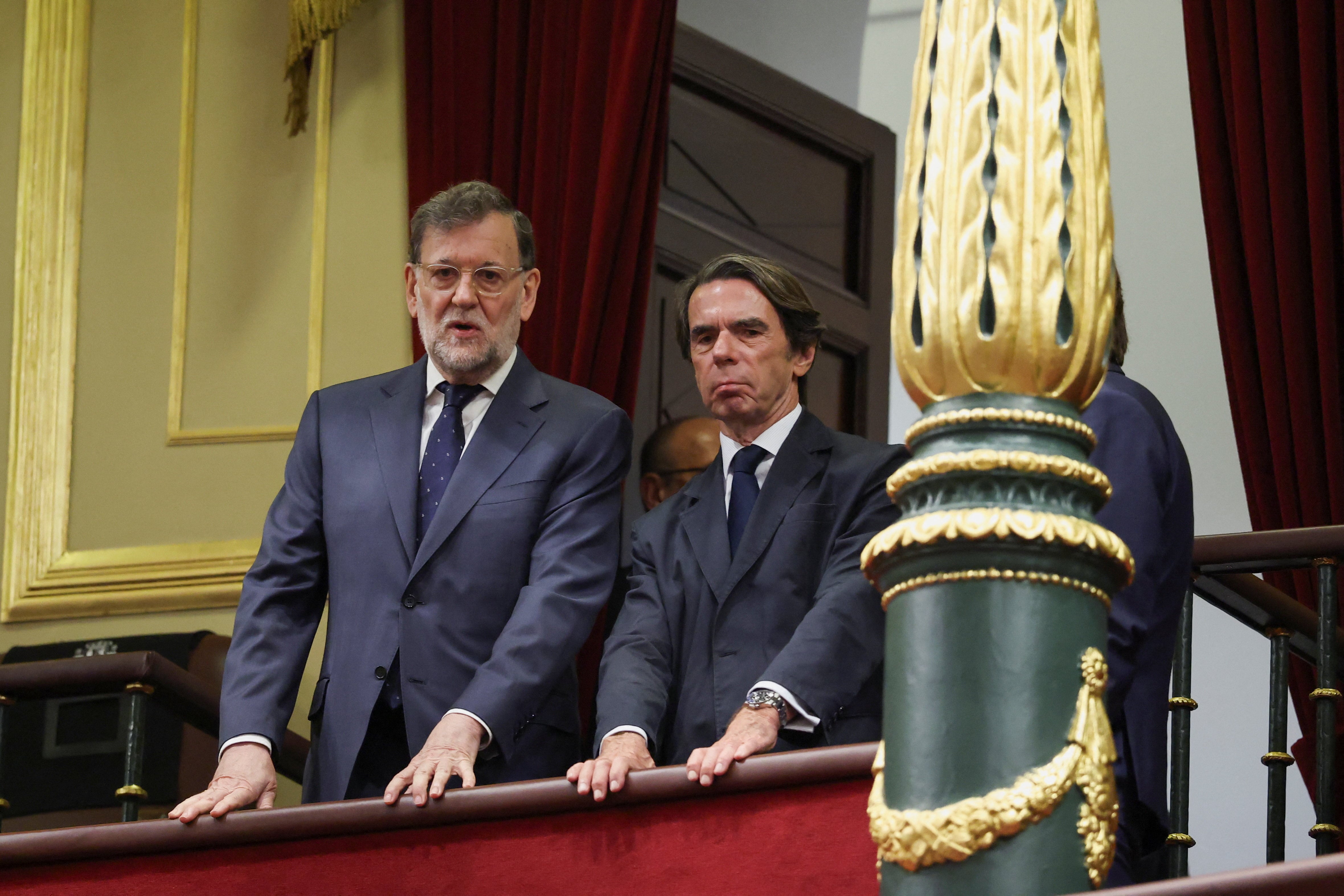
Former Spanish Prime Minister Mariano Rajoy has made controversial statements regarding the French national football team, suggesting that players do not represent France. His remarks have drawn parallels to a long-standing tradition of xenophobia in the neighboring country. These comments are seen as aligning with sentiments previously expressed by figures like Jean-Marie Le Pen, a prominent French nationalist politician. Rajoy's statement implies a critique of the team's ethnic diversity, linking it to a perceived lack of Frenchness. This perspective taps into historical debates within France about national identity and who belongs to the nation. The controversy highlights ongoing tensions surrounding immigration and national belonging in European societies. Rajoy's remarks have ignited a debate about patriotism and representation in sports.
The former Spanish Prime Minister's remarks on the French national team, suggesting a lack of "Frenchness" among players, appear to leverage a divisive narrative that questions national identity based on ethnicity rather than citizenship. This perspective, echoing historical nationalist sentiments, overlooks the complex social fabric of modern nations and the inclusive nature of contemporary sports. Such discourse can inadvertently reinforce exclusionary ideologies, potentially impacting social cohesion. From a long-term perspective, societies that embrace diversity and meritocracy tend to foster greater innovation and resilience. The challenge lies in balancing national pride with an inclusive vision that recognizes the contributions of all citizens, regardless of background, within the evolving global landscape.
AI-generated to prompt reflection — not editorial opinion, not advice, not a statement of fact. How this works.