Spanish Government and Opposition Clash Over Wildfire Response and "Solidarity"
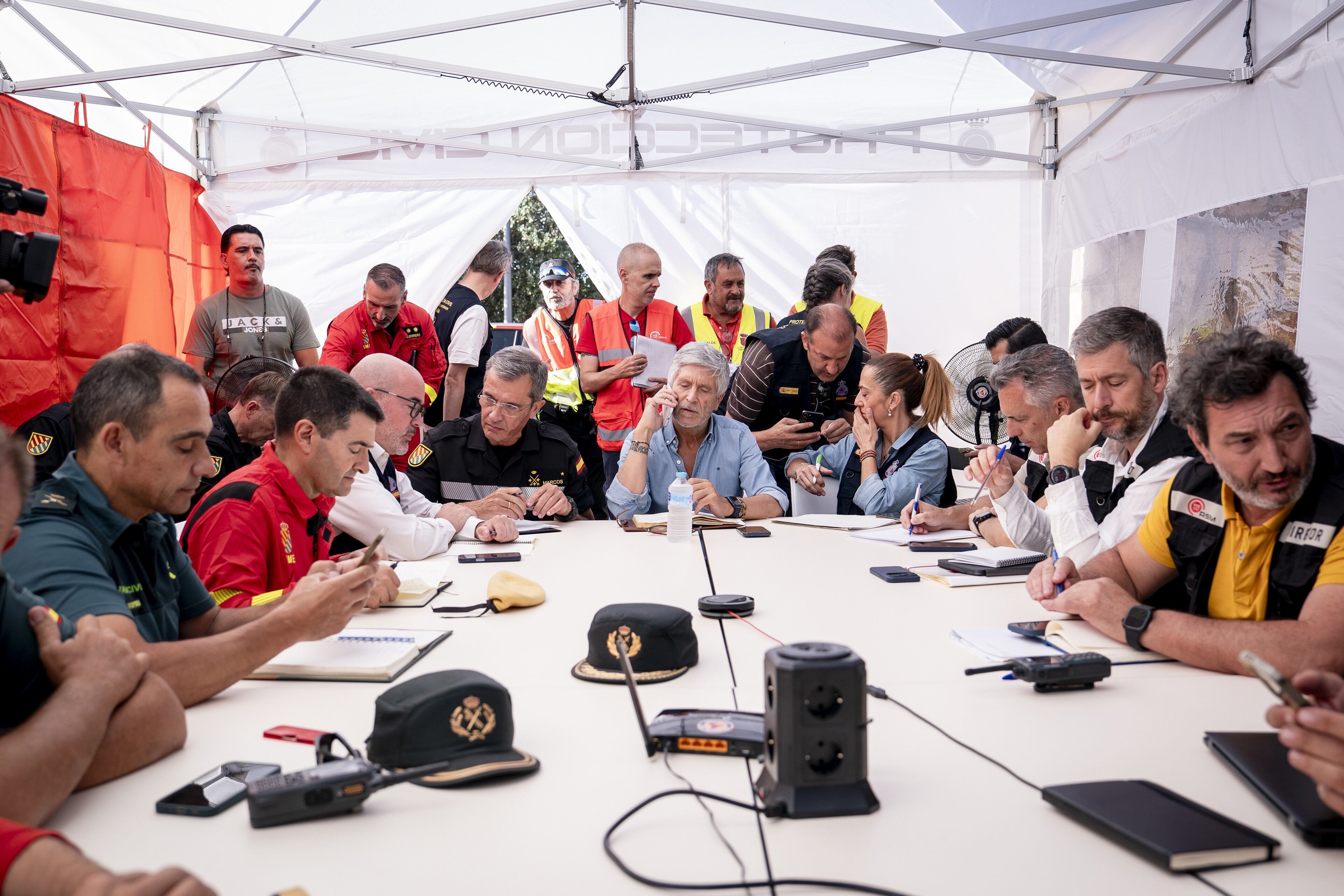
Spanish Prime Minister Pedro Sánchez and Interior Minister Fernando Grande-Marlaska have emphasized the importance of "solidarity" in addressing wildfires. This statement comes amidst a heated exchange with the opposition, where Transport Minister Óscar Puente accused the Popular Party (PP) of wanting others to solve their wildfire problems for them. The political tension escalated as Madrid's regional president, Isabel Díaz Ayuso, labeled Puente a "mamarracho" (a derogatory term implying incompetence or foolishness). Alma Ezcurra, representing the affected region, described Puente's attitude as "miserable," stating that the government sees divisions where they perceive only the immediate threat of fire. The differing perspectives highlight a significant political divide in how to approach and manage the critical issue of wildfires in Spain.
The political rhetoric surrounding wildfire management in Spain reveals a common challenge in crisis response: the tension between national solidarity and regional responsibilities, often amplified by partisan politics. While the government stresses collective action, opposition figures accuse them of shifting blame or lacking effective solutions. This dynamic can hinder unified efforts, as political actors prioritize scoring points over collaborative problem-solving. Looking ahead, the increasing frequency and intensity of wildfires due to climate change will necessitate more robust, depoliticized strategies. Future approaches must balance immediate response with long-term prevention, resource allocation, and inter-governmental cooperation, moving beyond reactive political disputes to build resilient systems capable of sustained adaptation.
AI-generated to prompt reflection — not editorial opinion, not advice, not a statement of fact. How this works.