Spanish Government Calls for Reform of Popular Prosecution Amid Judicial Disrepute
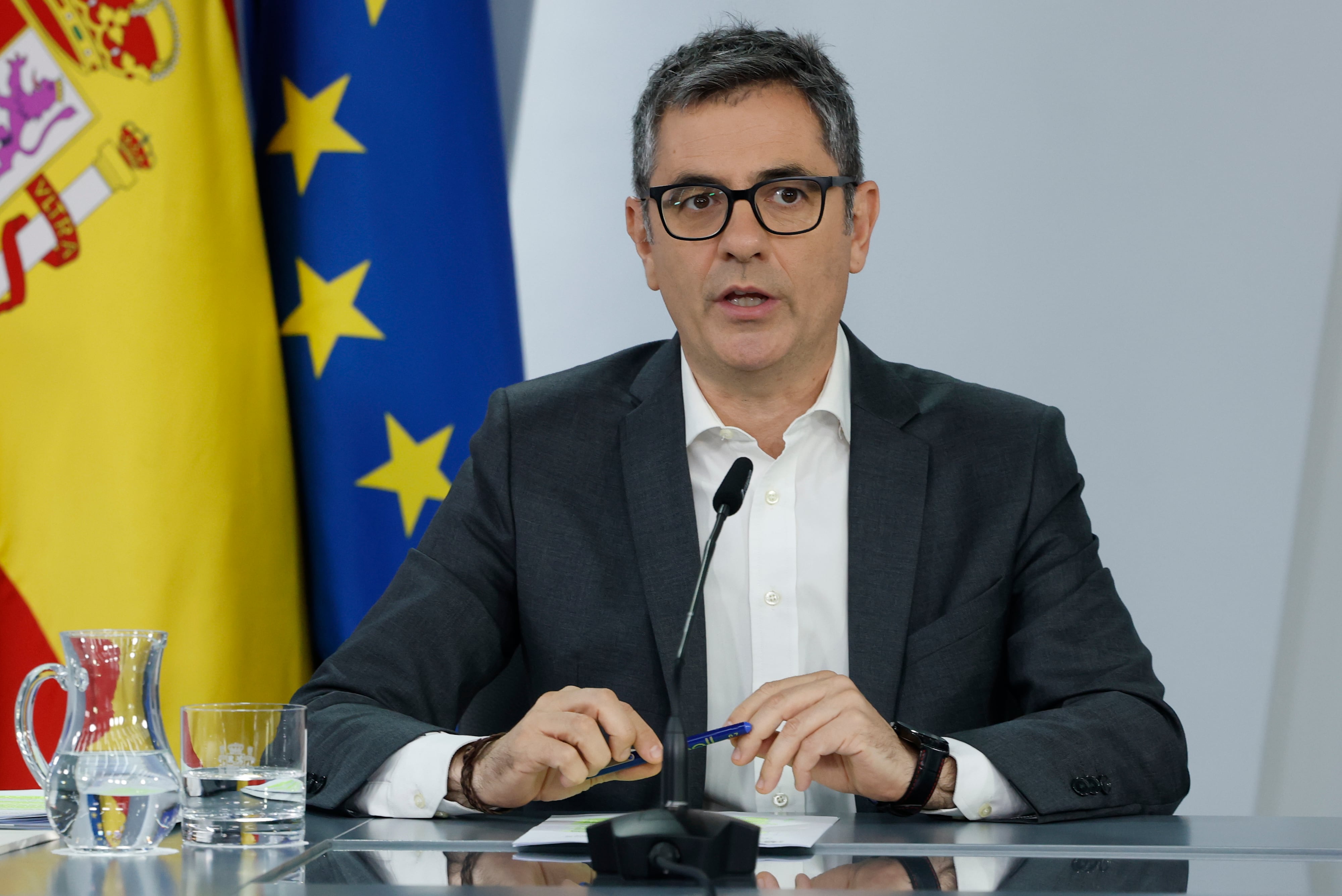
Spanish Minister of the Presidency, Félix Bolaños, has called for a reform of the legal mechanism known as 'popular prosecution' (acusación popular), citing a perceived discrediting of the justice system. Bolaños believes that right-wing and far-right political groups are exploiting this legal figure for illegitimate purposes, describing their use as "spurious." He specifically referenced the precautionary measures sought against Begoña Gómez, the wife of Prime Minister Pedro Sánchez, as unnecessary. This call for reform highlights concerns within the government about the potential for political manipulation of judicial processes through the popular prosecution route. The government aims to address what it views as abuses of a legal tool intended to allow citizens to participate in legal proceedings. The debate centers on ensuring the integrity and impartiality of the judiciary while considering the role of citizen participation.
The Spanish government's critique of the 'popular prosecution' mechanism, particularly in relation to actions against Begoña Gómez, suggests a potential tension between judicial independence and political influence. By framing the actions as 'spurious' and driven by specific political ideologies, the government raises questions about the motivations behind legal challenges. This situation underscores the broader challenge of balancing the right to legal recourse with the need to prevent the weaponization of judicial processes for political gain. Future reforms could aim to clarify standing requirements and procedural safeguards to ensure that legal actions are based on substantive grounds rather than perceived political advantage, thereby reinforcing public trust in the judiciary.
AI-generated to prompt reflection — not editorial opinion, not advice, not a statement of fact. How this works.