Spanish Historians' Efforts to Justify 1936 Coup
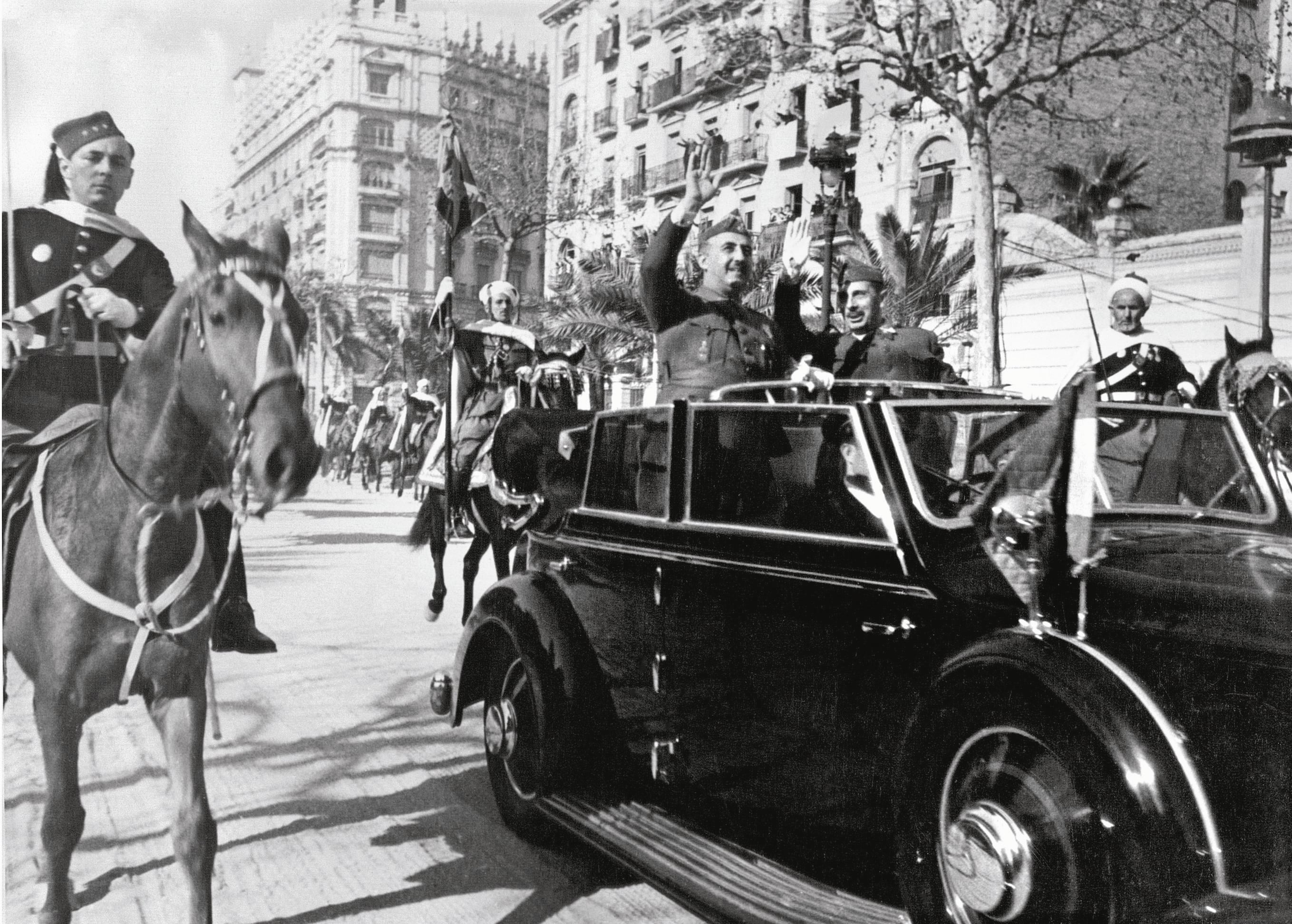
Military historians serving the regime made significant efforts to legitimize the coup d'état that occurred on July 18, 1936. Their primary justification centered on the perceived threat of an impending revolution. These historians sought to frame the military uprising as a necessary action to prevent a radical societal upheaval. The regime's historical narrative was thus shaped to portray the coup as a defensive measure against revolutionary forces. This effort aimed to solidify the regime's legitimacy by presenting its origins as a response to an existential threat. The historical accounts produced under the regime's influence consistently emphasized this justification. The goal was to convince both domestic and international audiences of the coup's necessity. This narrative construction was a key component of the regime's propaganda efforts. It sought to reframe the violent seizure of power as a preemptive strike for stability.
The historical accounts produced by the regime's military historians aimed to legitimize the 1936 coup by framing it as a response to an imminent revolution. This narrative strategy sought to cast the coup not as an act of aggression, but as a necessary intervention to preserve order. Such justifications often serve to consolidate power by presenting the ruling authority as a savior from chaos. Examining the underlying incentive structures reveals how historical narratives can be shaped to serve political ends, potentially obscuring alternative interpretations of events. In the long term, understanding these narrative constructions is crucial for developing a more nuanced historical understanding and for recognizing how past events continue to influence present-day political discourse.
AI-generated to prompt reflection — not editorial opinion, not advice, not a statement of fact. How this works.